With commentry by Swami Shivananda
Author: Krishna
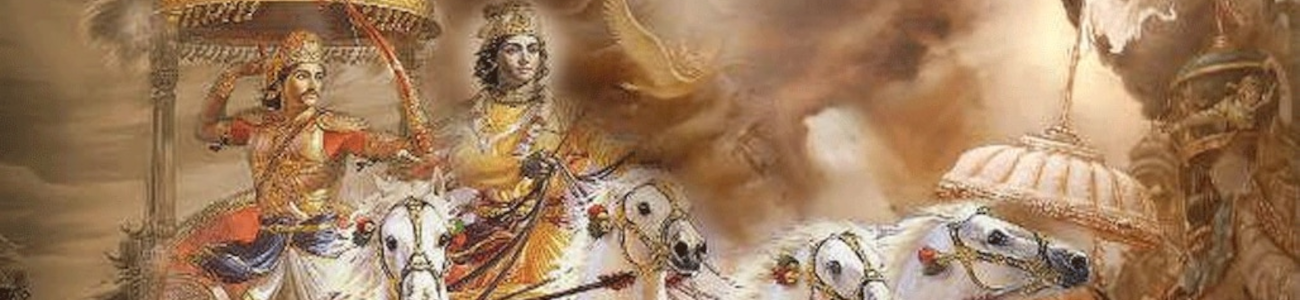
The Bhagavad Gita, often called the "Song of God," is a 700-verse sacred Hindu scripture embedded within the ancient Indian epic, the Mahabharata. It is a philosophical dialogue between the warrior Arjuna and his charioteer, the god Krishna, offering profound guidance on duty, ethics, and spiritual liberation.
Chapter 7: Jnana Vijnana Yoga
The Yoga of Wisdom and Realisation
Verse #1
भूमिः आपः अनलः वायुः खम् मनः बुद्धिः एव |
च अहङ्कारः इति इयम् मे भिन्ना प्रकृतिः अष्टधा ||
bhūmiḥ āpaḥ analaḥ vāyuḥ kham manaḥ buddhiḥ eva |
ca ahaṅkāraḥ iyam me bhinnā prakṛtiḥ aṣṭadhā ||
bhumi apa anala vayu kham mana buddhi eva |
ca ahankara iyam me bhinna prakti astadha ||
Earth, water, fire, air, ether, mind, intellect, egoism --- these are My eight-fold PRAKRITI.
Verse #2
श्रीभगवानुवाच मयि आसक्तमनाः पार्थ योगं |
युञ्जन् मत् आश्रयः असंशयं समग्रम् |
माम् यथा ज्ञास्यसि तत् शृणु ||
śrībhagavānuvāca mayi āsaktamanāḥ pārtha yogaṃ |
yuñjan mat āśrayaḥ asaṃśayaṃ samagram |
mām yathā jñāsyasi tat śṛṇu ||
sribhagavanuvaca mayi asaktamana partha yoga |
yunjan mat asraya asasaya samagram |
mam yatha jnasyasi tat snu ||
The Blessed Lord said: With the mind intent on Me, Partha, practising YOGA and taking refuge in Me, how thou shalt, without doubt, know Me fully, that do thou hear.
Verse #3
ज्ञानम् ते अहम् सविज्ञानम् इदम् वक्ष्यामि अशेषतः यत् |
ज्ञात्वा न इह भूयः अन्यत् ज्ञातव्यम् अवशिष्यते ||
jñānam te aham savijñānam idam vakṣyāmi aśeṣataḥ yat |
jñātvā na iha bhūyaḥ anyat jñātavyam avaśiṣyate ||
jnanam te aham savijnanam idam vaksyami asesata yat |
jnatva na iha bhuya anyat jnatavyam avasisyate ||
I shall declare to thee in full this knowledge combined with realisation, which being known, nothing more here remains to be known.
Verse #4
मनुष्याणां सहस्रेषु कश्चित् यतति सिद्धये यतताम् |
अपि सिद्धानां कश्चित् माम् वेत्ति तत्त्वतः ||
manuṣyāṇām sahasreṣu kaścit yatati siddhaye yatatām |
api siddhānāṃ kaścit mām vetti tattvataḥ ||
manusyanam sahasresu kascit yatati siddhaye yatatam |
api siddhana kascit mam vetti tattvata ||
Among thousands of men, one perchance strives, for perfection; even among those successful strivers, only one perchance knows Me in essence.
Verse #5
अपरा इयम् इतः तु अन्याम् प्रकृतिम् विद्धि मे |
पराम् जीवभूताम् महाबाहो या एदं धार्यते जगत् ||
aparā iyam itaḥ tu anyām prakṛtim viddhi me |
parām jīvabhūtām mahābāho yā edaṃ dhāryate jagat ||
apara iyam ita tu anyam praktim viddhi me |
param jivabhutam mahabaho ya eda dharyate jagat ||
This is the lower PRAKRITI; different from it know thou O mighty-armed My Higher PRAKRITI the very Life-element by which this world is upheld.
Verse #6
एतद्योनीनि भूतानि सर्वाणि इति उपधारय अहम् |
कृत्स्नस्य जगतः प्रभवः प्रलयः तथा ||
etadyonīni bhūtāni sarvāṇi upadhāraya aham |
kṛtsnasya jagataḥ prabhavaḥ pralayaḥ tathā ||
etadyonini bhutani sarvani upadharaya aham |
ktsnasya jagata prabhava pralaya tatha ||
Know that these (two PRAKRITIS ) , are the womb of all beings. So I am the source and dissolution of the whole universe.
Verse #7
मत्तः परतरं न अन्यत् किञ्चित् अस्ति धनञ्जय |
मयि सर्वम् इदं प्रोतं सूत्रे मणिगणाः इव ||
mattaḥ parataraṃ na anyat kiñcit asti dhanañjaya |
mayi sarvam idaṃ protaṃ sūtre maṇigaṇāḥ iva ||
matta paratara na anyat kincit asti dhananjaya |
mayi sarvam ida prota sutre manigana iva ||
There is nothing whatsoever higher than Me, O Dhananjaya. All this is strung in Me, as clusters of gems on a string.
Verse #8
रसः अहम् अप्सु कौन्तेय प्रभा अस्मि शशि |
सूर्ययोः प्रणवः सर्ववेदेषु शब्दः खे पौरुषम् नृषु ||
rasaḥ aham apsu kaunteya prabhā asmi śaśi |
sūryayoḥ praṇavaḥ sarvavedeṣu śabdaḥ khe pauruṣam nṛṣu ||
rasa aham apsu kaunteya prabha asmi sasi |
suryayo pranava sarvavedesu sabda khe paurusam nsu ||
I am the sapidity in water, O son of Kunti, I am the light in the moon and the sun; I am the syllable OM in all the VEDAS, sound in ether, and virility in men;
Verse #9
पुण्यः गन्धः पृथिव्यां च तेजः च अस्मि |
विभावसौ जीवनं सर्वभूतेषु तपः च अस्मि तपस्विषु ||
puṇyaḥ gandhaḥ pṛthivyāṃ ca tejaḥ ca asmi |
vibhāvasau jīvanam sarvabhūteṣu tapaḥ ca asmi tapasviṣu ||
punya gandha pthivya ca teja ca asmi |
vibhavasau jivanam sarvabhutesu tapa ca asmi tapasvisu ||
I am the sweet fragrance in earth and the brilliance in fire, the life in all beings, and I am austerity in the austere.
Verse #10
बीजं मां सर्वभूतानां विद्धि पार्थ सनातनम् |
बुद्धिः बुद्धिमताम् अस्मि तेजः तेजस्विनाम् अहम् ||
bījam māṃ sarvabhūtānāṃ viddhi pārtha sanātanam |
buddhiḥ buddhimatām asmi tejaḥ tejasvinām aham ||
bijam ma sarvabhutana viddhi partha sanatanam |
buddhi buddhimatam asmi teja tejasvinam aham ||
Know Me, O Partha, as the eternal seed of all beings; I am the intelligence of the intelligent. The splendour of the splendid (things and beings) , am I.
Verse #11
बलम् बलवताम् च अहम् कामरागविवर्जितम् |
धर्माविरुद्धः भूतेषु कामः अस्मि भरतर्षभ ||
balam balavatām ca aham kāmarāgavivarjitam |
dharmāviruddhaḥ bhūteṣu kāmaḥ asmi bharatarṣabha ||
balam balavatam ca aham kamaragavivarjitam |
dharmaviruddha bhutesu kama asmi bharatarsabha ||
Of the strong, I am the strength --- devoid of desire and attachment, and in (all) beings, I am the desire --- unopposed to DHARMA, O best among the Bharatas.
Verse #12
ये च एव सात्त्विकाः भावाः राजसाः तामसाः च ये मत्तः |
एव इति तान् विद्धि न तु अहम् तेषु ते मयि ||
ye ca eva sāttvikāḥ bhāvāḥ rājasāḥ tāmasāḥ ca ye mattaḥ |
eva tān viddhi na tu aham teṣu te mayi ||
ye ca eva sattvika bhava rajasa tamasa ca ye matta |
eva tan viddhi na tu aham tesu te mayi ||
Whatever beings (and objects) that are pure, active and inert, know them to proceed from Me; yet, I am not in them, they are in Me.
Verse #13
त्रिभिः गुणमयैः भावैः एभिः सर्वम् इदम् जगत् |
मोहितम् न अभिजानाति माम् एभ्यः परम् अव्ययम् ||
tribhiḥ guṇamayaiḥ bhāvaiḥ ebhiḥ sarvam idam jagat |
mohitam na abhijānāti mām ebhyaḥ param avyayam ||
tribhi gunamayai bhavai ebhi sarvam idam jagat |
mohitam na abhijanati mam ebhya param avyayam ||
Deluded by these natures (states or things) composed of the three GUNAS (of PRAKRITI ) all the world knows Me not as Immutable and distinct from them.
Verse #14
दैवी हि एषा गुणमयी मम माया दुरत्यया माम् |
एव ये प्रपद्यन्ते मायाम् एताम् तरन्ति ते ||
daivī hi eṣā guṇamayī mama māyā duratyayā mām |
eva ye prapadyante māyām etām taranti te ||
daivi hi esa gunamayi mama maya duratyaya mam |
eva ye prapadyante mayam etam taranti te ||
Verily, this divine illusion of Mine, made up of GUNAS (caused by the qualities) is difficult to cross over; those who take refuge in Me, they alone cross over this illusion.
Verse #15
न माम् दुष्कृतिनः मूढाः प्रपद्यन्ते नराधमाः |
मायया अपहृतज्ञानाः आसुरं भावम् आश्रिताः ||
na mām duṣkṛtinaḥ mūḍhāḥ prapadyante narādhamāḥ |
māyayā apahṛtajñānāḥ āsuraṃ bhāvam āśritāḥ ||
na mam dusktina muha prapadyante naradhama |
mayaya apahtajnana asura bhavam asrita ||
15 The evil-doers, the deluded, the lowest of men, do not seek Me; they, whose discrimination has been destroyed by their own delusions, follow the ways of the demons.
Verse #16
चतुर्विधा भजन्ते मां जनाः सुकृतिनः अर्जुन |
आर्तः जिज्ञासुः अर्थार्थी ज्ञानी च भरतर्षभ ||
caturvidhā bhajante māṃ janāḥ sukṛtinaḥ arjuna |
ārtaḥ jijñāsuḥ arthārthī jñānī ca bharatarṣabha ||
caturvidha bhajante ma jana suktina arjuna |
arta jijnasu artharthi jnani ca bharatarsabha ||
Four kinds of virtuous men worship Me, O Arjuna, the dissatisfied, the seeker of (systematised) knowledge, the seeker of wealth, and the wise, O best among the Bharatas.
Verse #17
तेषाम् ज्ञानी नित्ययुक्त एकभक्तिः विशिष्यते प्रियः हि |
ज्ञानिनः अत्यर्थम् अहम् स च मम प्रियः ||
teṣām jñānī nityayukta ekabhaktiḥ viśiṣyate priyaḥ hi |
jñāninaḥ atyartham aham sa ca mama priyaḥ ||
tesam jnani nityayukta ekabhakti visisyate priya hi |
jnanina atyartham aham sa ca mama priya ||
Of them the wise, ever steadfast and devoted to the One, excels; for, I am exceedingly dear to the wise, and he is dear to Me.
Verse #18
उदाराः सर्व एव एते ज्ञानी तु आत्मा एव मे |
मतम् आस्थितः स हि युक्तात्मा माम् एव अनुत्तमां गतिम् ||
udārāḥ sarva eva ete jñānī tu ātmā eva me |
matam āsthitaḥ sa hi yuktātmā mām eva anuttamām gatim ||
udara sarva eva ete jnani tu atma eva me |
matam asthita sa hi yuktatma mam eva anuttamam gatim ||
Noble indeed are all these, but the wise man, I deem, as My very Self; for, steadfast in mind he is established in Me alone as the Supreme Goal.
Verse #19
बहूनाम् जन्मनाम् अन्ते ज्ञानवान् माम् प्रपद्यते |
वासुदेवः सर्वम् इति स महात्मा सुदुर्लभः ||
bahūnām janmanām ante jñānavān mām prapadyate |
vāsudevaḥ sarvam sa mahātmā sudurlabhaḥ ||
bahunam janmanam ante jnanavan mam prapadyate |
vasudeva sarvam sa mahatma sudurlabha ||
At the end of many births the wise man comes to Me, realising that all this is Vasudeva (the innermost Self); such a great soul (MAHATMA) is very hard to find.
Verse #20
कामैः तैः तैः हृतज्ञानाः प्रपद्यन्ते अन्यदेवताः तं |
तं नियमम् आस्थाय प्रकृत्या नियताः स्वया ||
kāmaiḥ taiḥ taiḥ hṛtajñānāḥ prapadyante anyadevatāḥ taṃ |
taṃ niyamam āsthāya prakṛtyā niyatāḥ svayā ||
kamai tai tai htajnana prapadyante anyadevata ta |
ta niyamam asthaya praktya niyata svaya ||
Those whose wisdom has been looted away by this or that desire, go to other gods, following this or that rite, led by their own nature.
Verse #21
यो यो यां यां तनुं भक्तः श्रद्धया अर्चितुम् इच्छति |
तस्य तस्य अचलां श्रद्धां ताम् एव विदधामि अहम् ||
yaḥ yaḥ yām yām tanum bhaktaḥ śraddhayā arcitum icchati |
tasya tasya acalām śraddhām tām eva vidadhāmi aham ||
ya ya yam yam tanum bhakta sraddhaya arcitum icchati |
tasya tasya acalam sraddham tam eva vidadhami aham ||
Whatsoever form any devotee desires to worship with faith --- that (same) faith of his I make (firm and) unflinching.
Verse #22
स तया श्रद्धया युक्तः तस्य आराधनम् ईहते लभते |
च ततः कामान् मया एव विहितान् हि तान् ||
sa tayā śraddhayā yuktaḥ tasya ārādhanam īhate labhate |
ca tataḥ kāmān mayā eva vihitān hi tān ||
sa taya sraddhaya yukta tasya aradhanam ihate labhate |
ca tata kaman maya eva vihitan hi tan ||
Endued with that faith, he engages in the worship of that DEVATA and from it he obtains his desire-fulfilments; all these being ordained, indeed, by Me (alone) .
Verse #23
अन्तवत् तु फलं तेषां तत् भवति अल्पमेधसाम् |
देवान् देवयजः यान्ति मद्भक्ताः यान्ति माम् अपि ||
antavat tu phalam teṣām tat bhavati alpamedhasām |
devān devayajaḥ yānti madbhaktāḥ yānti mām api ||
antavat tu phalam tesam tat bhavati alpamedhasam |
devan devayaja yanti madbhakta yanti mam api ||
Verily the fruit that accrues to those men of little-intelligence is finite. The worshippers of the DEVAS go to the DEVAS but My devotees come to Me.
Verse #24
अव्यक्तं व्यक्तिम् आपन्नं मन्यन्ते माम् अबुद्धयः |
परं भावम् अजानन्तः मम अव्ययम् अनुत्तमम् ||
avyaktaṃ vyaktim āpannaṃ manyante mām abuddhayaḥ |
paraṃ bhāvam ajānantaḥ mama avyayam anuttamam ||
avyakta vyaktim apanna manyante mam abuddhaya |
para bhavam ajananta mama avyayam anuttamam ||
The foolish think of Me, the Unmanifest, as having come to manifestation, not knowing My higher, immutable and peerless nature.
Verse #25
न अहम् प्रकाशः सर्वस्य योगमायासमावृतः मूढः अयम् |
न अभिजानाति लोकः माम् अजम् अव्ययम् ||
na aham prakāśaḥ sarvasya yogamāyāsamāvṛtaḥ mūḍhaḥ ayam |
na abhijānāti lokaḥ mām ajam avyayam ||
na aham prakasa sarvasya yogamayasamavta muha ayam |
na abhijanati loka mam ajam avyayam ||
I am not manifest to all (in My Real Nature) veiled by Divine- MAYA. This deluded world knows not Me, the Unborn, the Imperishable.
Verse #26
वेद अहम् समतीतानि वर्तमानानि च अर्जुन भविष्याणि |
च भूतानि माम् तु वेद न कश्चन ||
veda aham samatītāni vartamānāni ca arjuna bhaviṣyāṇi |
ca bhūtāni mām tu veda na kaścana ||
veda aham samatitani vartamanani ca arjuna bhavisyani |
ca bhutani mam tu veda na kascana ||
I know, O Arjuna, the beings of the past, and present and the future, but no one knows Me.
Verse #27
इच्छा द्वेष समुत्थेन द्वन्द्वमोहेन भारत |
सर्वभूतानि सम्मोहं सर्गे यान्ति परन्तप ||
icchā dveṣa samutthena dvandvamohena bhārata |
sarvabhūtāni sammoham sarge yānti parantapa ||
iccha dvesa samutthena dvandvamohena bharata |
sarvabhutani sammoham sarge yanti parantapa ||
By the delusion of the pairs-of-opposites arising from desire and aversion, O Bharata, all beings are subject to delusion at birth, O Parantapa (scorcher of foes) .
Verse #28
येषाम् तु अन्तगतं पापं जनानां पुण्यकर्मणाम् |
ते द्वन्द्वमोहनिर्मुक्ताः भजन्ते मां दृढव्रताः ||
yeṣām tu antagataṃ pāpaṃ janānāṃ puṇyakarmaṇām |
te dvandvamohanirmuktāḥ bhajante māṃ dṛḍhavratāḥ ||
yesam tu antagata papa janana punyakarmanam |
te dvandvamohanirmukta bhajante ma dhavrata ||
But those men of virtuous deeds whose sins have come to an end, who are freed from the delusion of the pairs-of-opposites and steadfast in vows, worship Me.
Verse #29
जरामरणमोक्षाय माम् आश्रित्य यतन्ति ये ते ब्रह्म |
तद्विदुः कृत्स्नम् अध्यात्मम् कर्म च अखिलम् ||
jarāmaraṇamokṣāya mām āśritya yatanti ye te brahma |
tadviduḥ kṛtsnam adhyātmam karma ca akhilam ||
jaramaranamoksaya mam asritya yatanti ye te brahma |
tadvidu ktsnam adhyatmam karma ca akhilam ||
Those who strive for liberation from old age and death, taking refuge in Me --- They realise in full that BRAHMAN, the whole knowledge of the Self and all action.
Verse #30
साधिभूताधिदैवं |
मां |
साधियज्ञं |
च |
ये विदुः प्रयाणकालेऽपि च मां ते विदुः युक्तचेतसः ||
sādhibhūtādhidaivaṃ |
māṃ |
sādhiyajñaṃ |
ca |
ye viduḥ prayāṇakāle'pi ca māṃ te viduḥ yuktacetasaḥ ||
sadhibhutadhidaiva |
ma |
sadhiyajna |
ca |
ye vidu prayanakale'pi ca ma te vidu yuktacetasa ||
Those who know Me with the ADHIBHUTA (pertaining to elements; the world-of-objects) , ADHIDAIVA (pertaining to the gods; the sense-organs) and the ADHIYAJNA (pertaining to the sacrifice; all perceptions) , even at the time of death, steadfast in mind, know Me.<br><br>Thus in the Upanishads of the glorious Bhagavad Gita, the science of the Eternal, the scripture of Yoga, the dialogue between Sri Krishna and Arjuna, ends the seventh discourse entitled "The Yoga of Knowledge and Wisdom."