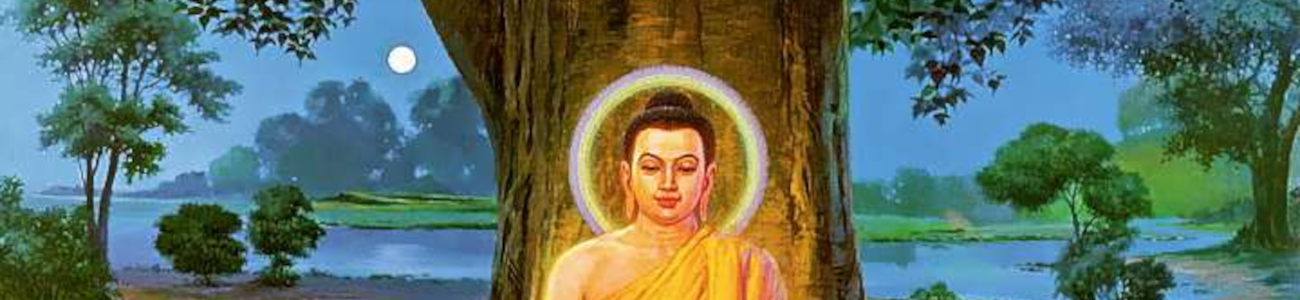
Direct Experience of the Absolute
Author: Adi Shankaracharya
Aparokshanubhuti is a celebrated 8th-century Prakarana Grantha (introductory text) of Advaita Vedanta, traditionally attributed to Adi Shankaracharya. The term translates to "Direct Experience of the Absolute", it outlines how a seeker can realize their true, eternal nature (Brahman) directly, without relying on intermediaries.
Chapter 1: Chapter 1
Verse #1
ब्रह्म एव अहम् समः शान्तः सच्चिदानन्दलक्षणः न अहम् |
देहः हि असद्रूपः ज्ञानम् इति उच्यते बुधैः ||
brahma eva aham samaḥ śāntaḥ saccidānandalakṣaṇaḥ na aham |
dehaḥ hi asadrūpaḥ jñānam ucyate budhaih ||
brahma eva aham sama santa saccidanandalaksana na aham |
deha hi asadrupa jnanam ucyate budhaih ||
24. I am verily Brahman, being equanimous, quiescent, and by nature absolute Existence, Knowledge, and Bliss. I am not the body which is non-existence itself. This is called true Knowledge by the wise.
Verse #2
निर्विकारः निराकारः निरवद्यः अहम् अव्ययः न अहम् |
देहः हि असद्रूपः ज्ञानम् इति उच्यते बुधैः ||
nirvikāraḥ nirākāraḥ niravadyaḥ aham avyayaḥ na aham |
dehaḥ hi asadrūpaḥ jñānam ucyate budhaih ||
nirvikara nirakara niravadya aham avyaya na aham |
deha hi asadrupa jnanam ucyate budhaih ||
25. I am without any change, without any form, free from all blemish and decay. I am not, etc.,
Verse #3
निरामयः निराभासः निर्विकल्पः अहम् आततः न अहम् |
देहः हि असद्रूपः ज्ञानम् इति उच्यते बुधैः ||
nirāmayaḥ nirābhāsaḥ nirvikalpaḥ aham ātataḥ na aham |
dehaḥ hi asadrūpaḥ jñānam ucyate budhaih ||
niramaya nirabhasa nirvikalpa aham atata na aham |
deha hi asadrupa jnanam ucyate budhaih ||
26. I am not subjected to any disease, I am beyond all comprehension, free from all alternatives and all-pervading. I am not, etc.,
Verse #4
निर्गुणः निष्क्रियः नित्यः नित्यमुक्तः अहम् अच्युतः न अहम् |
देहः हि असद्रूपः ज्ञानम् इति उच्यते बुधैः ||
nirguṇaḥ niṣkriyaḥ nityaḥ nityamuktaḥ aham acyutaḥ na aham |
dehaḥ hi asadrūpaḥ jñānam ucyate budhaih ||
nirguna niskriya nitya nityamukta aham acyuta na aham |
deha hi asadrupa jnanam ucyate budhaih ||
27. I am without any attribute or activity, I am eternal, ever free, and imperishable. I am not, etc.,
Verse #5
निर्मलः निश्चलः अनन्तः शुद्धः अहम् अजरः अमरः न |
अहम् देहः हि असद्रूपः ज्ञानम् इति उच्यते बुधैः ||
nirmalaḥ niścalaḥ anantaḥ śuddhaḥ aham ajaraḥ amaraḥ na |
aham dehaḥ hi asadrūpaḥ jñānam ucyate budhaih ||
nirmala niscala ananta suddha aham ajara amara na |
aham deha hi asadrupa jnanam ucyate budhaih ||
28. I am free from all impurity, I am immovable, unlimited, holy, undecaying, and immortal. I am not, etc.,
Verse #6
स्वदेहं शोभनं त्यक्त्वा पुरुषाख्यं च संमतम् किं |
मूर्ख शून्यम् आत्मानं देहातीतं करोषि भो ||
svadehaṃ śobhanaṃ tyaktvā puruṣākhyam ca saṃmatam kiṃ |
mūrkha śūnyam ātmānam dehātītaṃ karoṣi bho ||
svadeha sobhana tyaktva purusakhyam ca samatam ki |
murkha sunyam atmanam dehatita karosi bho ||
29. O you ignorant one ! Why do you assert the blissful, ever-existent Atman, which resides in your own body and is (evidently) different from it, which is known as Purusha and is established (by the Shruti as identical with Brahman), to be absolutely non-existent ?
Verse #7
रज्ज्वज्ञानात् क्षणेनैव यद्वत् रज्जुः हि सर्पिणी |
भाति तद्वत् चितिः साक्षात् विश्वाकारेण केवला ||
rajjvajñānāt kṣaṇenaiva yadvat rajjuḥ hi sarpiṇī |
bhāti tadvat citiḥ sākṣāt viśvākāreṇa kevalā ||
rajjvajnanat ksanenaiva yadvat rajju hi sarpini |
bhati tadvat citi saksat visvakarena kevala ||
44. As through the ignorance of the real nature of the rope the very rope appears in an instant as a snake, so also does pure Consciousness appear in the form of the phenomenal universe without undergoing any change.
Verse #8
स्वात्मानं श्रृणु मूर्ख त्वं श्रुत्या युक्त्या |
च पूरुषम् देहातीतं सदाकारं सुदुर्दर्शं भवादृशाम् ||
svātmānam śṛṇu mūrkha tvaṃ śrutyā yuktyā |
ca pūruṣam dehātītaṃ sadākāraṃ sudurdarśaṃ bhavādṛśām ||
svatmanam snu murkha tva srutya yuktya |
ca purusam dehatita sadakara sudurdarsa bhavadsam ||
30. O you ignorant one ! Try to know, with the help of Shruti and reasoning, your own Self, Purusha, which is different from the body, (not a void but) the very form of existence, and very difficult for persons like you to realize.
Verse #9
अहंशब्देन विख्यात एक एव स्थितः परः स्थूलत्वात् |
न एकतां प्राप्तः कथं स्यात् देहकः पुमान् ||
ahaṃśabdena vikhyāta eka eva sthitaḥ paraḥ sthūlatvāt |
na ekatāṃ prāptaḥ kathaṃ syāt dehakaḥ pumān ||
ahasabdena vikhyata eka eva sthita para sthulatvat |
na ekata prapta katha syat dehaka puman ||
31. The Supreme (Purusha) known as "I" (ego) is but one, whereas the gross bodies are many. So how can this body be Purusha ?
Verse #10
अहम् द्रष्टृतया सिद्धः देहः दृश्यतया स्थितः मम |
अयम् इति निर्देशात् कथम् स्यात् देहकः पुमान् ||
aham draṣṭṛtayā siddhaḥ dehaḥ dṛśyatayā sthitaḥ mama |
ayam nirdeśāt katham syāt dehakaḥ pumān ||
aham drasttaya siddha deha dsyataya sthita mama |
ayam nirdesat katham syat dehaka puman ||
32. "I" (ego) is well established as the subject of perception whereas the body is the object. This is learnt from the fact that when we speak of the body we say, "This is mine." So how can this body be Purusha ?
Verse #11
अहम् विकारहीनः तु देहः नित्यम् विकारवान् इति |
प्रतीयते साक्षात् कथम् स्यात् देहकः पुमान् ||
aham vikārahīnaḥ tu dehaḥ nityam vikāravān |
pratīyate sākṣāt katham syāt dehakaḥ pumān ||
aham vikarahina tu deha nityam vikaravan |
pratiyate saksat katham syat dehaka puman ||
33. It is a fact of direct experience that the "I" (Atman) is without any change, whereas the body is always undergoing changes. So how can this body be Purusha ?
Verse #12
यस्मात् परम् इति श्रुत्या तया पुरुषलक्षणम् |
विनिर्णीतं विशुद्धेन कथं स्यात् देहकः पुमान् ||
yasmāt param śrutyā tayā puruṣalakṣaṇam |
vinirṇītam viśuddhena kathaṃ syāt dehakaḥ pumān ||
yasmat param srutya taya purusalaksanam |
vinirnitam visuddhena katha syat dehaka puman ||
34. Wise men have ascertained the (real) nature of Purusha from that Shruti text, "(There is nothing) higher than He (Purusha)," etc. So how can this body be Purusha ?
Verse #13
सर्वम् पुरुष एव इति सूक्ते पुरुषसंज्ञिते अपि |
उच्यते यतः श्रुत्या कथम् स्यात् देहकः पुमान् ||
sarvam puruṣa eva sūkte puruṣasaṃjñite api |
ucyate yataḥ śrutyā katham syāt dehakaḥ pumān ||
sarvam purusa eva sukte purusasajnite api |
ucyate yata srutya katham syat dehaka puman ||
35. Again the Shruti has declared in the Purusha Sukta that "All this is verily the Purusha". So how can this body be Purusha ?
Verse #14
असङ्गः पुरुषः प्रोक्तः बृहदारण्यके अपि च |
अनन्तमलसंसृष्टः कथं स्यात् देहकः पुमान् ||
asaṅgaḥ puruṣaḥ proktaḥ bṛhadāraṇyake api ca |
anantamalasaṃsṛṣṭaḥ kathaṃ syāt dehakaḥ pumān ||
asanga purusa prokta bhadaranyake api ca |
anantamalasassta katha syat dehaka puman ||
36. So also it is said in Brihadaranyaka that "The Purusha is completely unattached". How can this body wherein inhere innumerable impurities be the Purusha ?
Verse #15
तत्रैव च समाख्यातः स्वयंज्योतिः हि पूरुषः जडः |
परप्रकाश्यः अयम् कथम् स्यात् देहकः पुमान् ||
tatraiva ca samākhyātaḥ svayaṃjyotiḥ hi pūruṣaḥ jaḍaḥ |
paraprakāśyaḥ ayam katham syāt dehakaḥ pumān ||
tatraiva ca samakhyata svayajyoti hi purusa jaa |
paraprakasya ayam katham syat dehaka puman ||
37. There again it is clearly stated that "the Purusha is self-illumined". So how can the body which is inert (insentient) and illumined by an external agent be the Purusha ?
Verse #16
प्रोक्तः अपि कर्मकाण्डेन हि आत्मा देहात् विलक्षणः |
नित्यः च तत् फलम् भुङ्क्ते देहपातात् अनन्तरम् ||
proktaḥ api karmakāṇḍena hi ātmā dehāt vilakṣaṇaḥ |
nityaḥ ca tat phalam bhuṅkte dehapātāt anantaram ||
prokta api karmakanena hi atma dehat vilaksana |
nitya ca tat phalam bhunkte dehapatat anantaram ||
38. Moreover, the Karma-kanda also declares that the Atman is different from the body and permanent, as it endures even after the fall of the body and reaps the fruits of actions (done in this life).
Verse #17
लिङ्गं च अनेकसंयुक्तं चलं दृश्यं विकारि च |
अव्यापकं असद्रूपं तत् कथं स्यात् पुमान् अयम् ||
liṅgaṃ ca anekasaṃyuktaṃ calaṃ dṛśyaṃ vikāri ca |
avyāpakaṃ asadrūpaṃ tat kathaṃ syāt pumān ayam ||
linga ca anekasayukta cala dsya vikari ca |
avyapaka asadrupa tat katha syat puman ayam ||
39. Even the subtle body consists of many parts and is unstable. It is also an object of perception, is changeable, limited and non-existent by nature. So how can this be the Purusha?
Verse #18
उपादानम् प्रपञ्चस्य ब्रह्मणः अन्यत् न विद्यते तस्मात् सर्वप्रपञ्चः |
अयम् ब्रह्म एव अस्ति न च इतरत् ||
upādānam prapañcasya brahmaṇaḥ anyat na vidyate tasmāt sarvaprapañcaḥ |
ayam brahma eva asti na ca itarat ||
upadanam prapancasya brahmana anyat na vidyate tasmat sarvaprapanca |
ayam brahma eva asti na ca itarat ||
45. There exists no other material cause of this phenomenal universe except Brahman. Hence this whole universe is but Brahman and nothing else.
Verse #19
एवम् देहद्वयात् अन्य आत्मा पुरुष ईश्वरः |
सर्वात्मा सर्वरूपः च सर्वातीतः अहम् अव्ययः ||
evam dehadvayāt anya ātmā puruṣa īśvaraḥ |
sarvātmā sarvarūpaḥ ca sarvātītaḥ aham avyayaḥ ||
evam dehadvayat anya atma purusa isvara |
sarvatma sarvarupa ca sarvatita aham avyaya ||
40. The immutable Atman, the substratum of the ego, is thus different from these two bodies, and is the Purusha, the Ishwara (the Lord of all), the Self of all; It is present in every form and yet transcends them all.
Verse #20
इति आत्मदेहभानेन प्रपञ्चस्य एव सत्यता |
यथोक्ता तर्कशास्त्रेण ततः किं पुरुषार्थता ||
ātmadehabhānena prapañcasya eva satyatā |
yathoktā tarkaśāstreṇa tataḥ kiṃ puruṣārthatā ||
atmadehabhanena prapancasya eva satyata |
yathokta tarkasastrena tata ki purusarthata ||
41. Thus the enunciation of the difference between the Atman and the body has (indirectly) asserted, indeed, after the manner of the Tarkashastra, the reality of the phenomenal world. But what end of human life is served thereby ?
Verse #21
इति आत्मदेहभेदेन देहात्मत्वं निवारितम् इदानीं |
देहभेदस्य हि असत्त्वं स्फुटम् उच्यते ||
ātmadehabhedena dehātmatvaṃ nivāritam idānīm |
dehabhedasya hi asattvaṃ sphuṭam ucyate ||
atmadehabhedena dehatmatva nivaritam idanim |
dehabhedasya hi asattva sphutam ucyate ||
42. Thus the view that the body is the Atman has been denounced by the enunciation of the difference between the Atman and the body. Now is clearly stated the unreality of the difference between the two.
Verse #22
चैतन्यस्य एकरूपत्वात् भेदः युक्तः न कर्हिचित् जीवत्वं |
च मृषा ज्ञेयम् रज्ज्वाम् सर्पग्रहः यथा ||
caitanyasya ekarūpatvāt bhedaḥ yuktaḥ na karhicit jīvatvaṃ |
ca mrishaa jñeyam rajjvām sarpagrahaḥ yathā ||
caitanyasya ekarupatvat bheda yukta na karhicit jivatva |
ca mrishaa jneyam rajjvam sarpagraha yatha ||
43. No division in Consciousness is admissible at any time as it is always one and the same. Even the individuality of the Jiva must be known as false, like the delusion of a snake in a rope.
Verse #23
अपरोक्षानुभूतिः श्रीहरिं परमानन्दम् उपदेष्टारम् |
ईश्वरम् व्यापकं सर्वलोकानां कारणं |
तं नमामि अहम् ||
aparokṣānubhūtiḥ śrīhariṃ paramānandaṃ upadeṣṭāram |
īśvaram vyāpakaṃ sarvalokānāṃ kāraṇam |
taṃ namāmi aham ||
aparoksanubhuti srihari paramananda upadestaram |
isvaram vyapaka sarvalokana karanam |
ta namami aham ||
1. I bow down to Him - to Sri Hari (the destroyer of ignorance), the Supreme Bliss, the First Teacher, Ishwara, the All-pervading One and the Cause of all Lokas (the universe).
Verse #24
अपरोक्षानुभूतिः वै प्रोच्यते मोक्षसिद्धये सद्भिः |
एषा प्रयत्नेन वीक्षणीया मुहुर्मुहुः ||
aparokṣānubhūtiḥ vai procyate mokṣasiddhaye sadbhiḥ |
eṣā prayatnena vīkṣaṇīyā muhurmuhuḥ ||
aparoksanubhuti vai procyate moksasiddhaye sadbhi |
esa prayatnena viksaniya muhurmuhu ||
2. Herein is expounded (the means of attaining to) Aparokshanubhuti (Self-Realization) for the acquisition of final liberation. Only the pure in heart should constantly and with all effort meditate upon the truth herein taught.
Verse #25
स्ववर्णाश्रमधर्मेण तपसा हरितोषणात् साधनं |
प्रभवेत् पुंसां वैराग्यादिचतुष्टयम् ||
svavarṇāśramadharmeṇa tapasā haritoṣaṇāt sādhanaṃ |
prabhavet puṃsāṃ vairāgyādicatuṣṭayam ||
svavarnasramadharmena tapasa haritosanat sadhana |
prabhavet pusa vairagyadicatustayam ||
3. The four preliminary qualifications (the means to the attainment of knowledge), such as Vairagya (dispassion) and the like, are acquired by men by propitiating Hari (the Lord), through austerities and the performance of duties pertaining to their social order and stage in life.
Verse #26
ब्रह्मादिस्थावरान्तेषु वैराग्यं विषयेषु अनु यथैव |
काकविष्ठायाम् वैराग्यं तत् हि निर्मलम् ||
brahmādisthāvarānteṣu vairāgyaṃ viṣayeṣu anu yathaiva |
kākaviṣṭhāyām vairāgyaṃ tat hi nirmalam ||
brahmadisthavarantesu vairagya visayesu anu yathaiva |
kakavisthayam vairagya tat hi nirmalam ||
4. The indifference with which one treats the excreta of a crow - such an indifference to all objects of enjoyment from the realm of Brahma to this world (in view of their perishable nature), is verily called pure Vairagya.
Verse #27
नित्यम् आत्मस्वरूपम् हि दृश्यं तद्विपरीतगम् एवं यः |
निश्चयः सम्यक् विवेकः वस्तुनः स वै ||
nityam ātmasvarūpam hi dṛśyaṃ tadviparītagam evaṃ yaḥ |
niścayaḥ samyak vivekaḥ vastunaḥ sa vai ||
nityam atmasvarupam hi dsya tadviparitagam eva ya |
niscaya samyak viveka vastuna sa vai ||
5. Atman (the seer) in itself is alone permanent, the seen is opposed to it (ie., transient) - such a settled conviction is truly known as discrimination.
Verse #28
सदैव वासनात्यागः शमः अयम् इति शब्दितः |
निग्रहः बाह्यवृत्तीनाम् दमः इति अभिधीयते ||
sadaiva vāsanātyāgaḥ śamaḥ ayam śabditaḥ |
nigrahaḥ bāhyavṛttīnām damaḥ abhidhīyate ||
sadaiva vasanatyaga sama ayam sabdita |
nigraha bahyavttinam dama abhidhiyate ||
6. Abandonment of desires at all times is called Shama and restraint of the external functions of the organs is called Dama.
Verse #29
विषयेभ्यः परावृत्तिः परम उपरतिः हि सा |
सहनं सर्वदुःखानां तितिक्षा सा शुभा मता ||
viṣayebhyaḥ parāvṛttiḥ parama uparatiḥ hi sā |
sahanaṃ sarvaduḥkhānāṃ titikṣā sā śubhā matā ||
visayebhya paravtti parama uparati hi sa |
sahana sarvadukhana titiksa sa subha mata ||
7. Turning away completely from all sense-objects is the height of Uparati, and patient endurance of all sorrow or pain is known as Titiksha which is conducive to happiness.
Verse #30
निगम आचार्य वाक्येषु भक्तिः श्रद्धा इति विश्रुता |
चित्त एकाग्र्यं तु सल्लक्ष्ये समाधानम् इति स्मृतम् ||
nigama ācārya vākyeṣu bhaktiḥ śraddhā viśrutā |
citta ekāgryaṃ tu sallakṣye samādhānam smṛtam ||
nigama acarya vakyesu bhakti sraddha visruta |
citta ekagrya tu sallaksye samadhanam smtam ||
8. Implicit faith in the words of the Vedas and the teachers (who interpret them) is known as Shraddha, and concentration of the mind on the only object Sat (i.e., Brahman) is regarded as Samadhana.
Verse #31
संसारबन्धनिर्मुक्तिः कथं स्यात् मे दयानिधे इति |
या सुदृढा बुद्धिः वक्तव्या सा मुमुक्षुता ||
saṃsārabandhanirmuktiḥ kathaṃ syāt me dayānidhe |
yā sudṛḍhā buddhiḥ vaktavyā sā mumukṣutā ||
sasarabandhanirmukti katha syat me dayanidhe |
ya sudha buddhi vaktavya sa mumuksuta ||
9. When and how shall I, O Lord, be free from the bonds of this world (i.e., births and deaths) - such a burning desire is called Mumukshuta.
Verse #32
उक्तसाधनयुक्तेन विचारः पुरुषेण हि कर्तव्यः |
ज्ञानसिद्ध्यर्थम् आत्मनः शुभम् इच्छता ||
uktasādhanayuktena vicāraḥ puruṣeṇa hi kartavyah |
jñānasiddhyartham ātmanaḥ śubham icchatā ||
uktasadhanayuktena vicara purusena hi kartavyah |
jnanasiddhyartham atmana subham icchata ||
10. Only that person who is in possession of the said qualification (as means to Knowledge) should constantly reflect with a view to attaining Knowledge, desiring his own good.
Verse #33
न उत्पद्यते विना ज्ञानं विचारेण अन्यसाधनैः |
यथा पदार्थभानं हि प्रकाशेन विना क्वचित् ||
na utpadyate vinā jñānaṃ vicāreṇa anyasādhanaiḥ |
yathā padārthabhānam hi prakāśena vinā kvacit ||
na utpadyate vina jnana vicarena anyasadhanai |
yatha padarthabhanam hi prakasena vina kvacit ||
11. Knowledge is not brought about by any other means than Vichara, just as an object is nowhere perceived (seen) without the help of light.
Verse #34
कः अहम् कथम् इदम् जातम् कः वा कर्त्ता अस्य |
विद्यते उपादानम् किम् अस्ति इह विचारः सः अयम् ईदृशः ||
kaḥ aham katham idam jātam kaḥ vā kartā asya |
vidyate upādānam kim asti iha vicāraḥ saḥ ayam īdṛśaḥ ||
ka aham katham idam jatam ka va karta asya |
vidyate upadanam kim asti iha vicara sa ayam idsa ||
12. Who am I ? How is this (world) created ? Who is its creator ? Of what material is this (world) made ? This is the way of that Vichara (enquiry).
Verse #35
न अहम् भूतगणः देहः न अहम् च अक्षगणः |
तथा एतत् विलक्षणः कश्चित् विचारः सः अयम् ईदृशः ||
na aham bhūtagaṇaḥ dehaḥ na aham ca akṣagaṇaḥ |
tathā etat vilakṣaṇaḥ kaścit vicāraḥ saḥ ayam īdṛśaḥ ||
na aham bhutagana deha na aham ca aksagana |
tatha etat vilaksana kascit vicara sa ayam idsa ||
13. I am neither the body, a combination of the (five) elements (of matter), nor am I an aggregate of the senses; I am something different from these. This is the way of that Vichara.
Verse #36
अज्ञानप्रभवं सर्वं ज्ञानेन प्रविलीयते संकल्पः विविधः |
कर्ता विचारः सः अयम् ईदृशः ||
ajñānaprabhavam sarvaṃ jñānena pravilīyate saṃkalpaḥ vividhaḥ |
kartā vicāraḥ saḥ ayam īdṛśaḥ ||
ajnanaprabhavam sarva jnanena praviliyate sakalpa vividha |
karta vicara sa ayam idsa ||
14. Everything is produced by ignorance, and dissolves in the wake of Knowledge. The various thoughts (modifications of Antahkarana) must be the creator. Such is this Vichara.
Verse #37
एतयोः यत् उपादानम् एकम् सूक्ष्मम् सत् अव्ययम् यथा |
एव मृद् घट आदीनाम् विचारः सः अयम् ईदृशः ||
etayoḥ yat upādānam ekaṃ sūkṣmam sat avyayam yathā |
eva mṛd ghaṭa ādīnām vicāraḥ saḥ ayam īdṛśaḥ ||
etayo yat upadanam eka suksmam sat avyayam yatha |
eva md ghata adinam vicara sa ayam idsa ||
15. The material (cause) of these two (i.e., ignorance and thought) is the One (without a second), subtle (not apprehended by the senses) and unchanging Sat (Existence), just as the earth is the material (cause) of the pot and the like. This is the way of that Vichara.
Verse #38
अहम् एकः अपि सूक्ष्मः च ज्ञाता साक्षी सत् अव्ययः |
तत् अहम् न अत्र सन्देहः विचारः सः अयम् ईदृशः ||
aham ekaḥ api sūkṣmaḥ ca jnaataa sākṣī sat avyayaḥ |
tat aham na atra sandehaḥ vicāraḥ saḥ ayam īdṛśaḥ ||
aham eka api suksma ca jnaataa saksi sat avyaya |
tat aham na atra sandeha vicara sa ayam idsa ||
16. As I am also the One, the Subtle, the Knower, the Witness, the Ever-Existent, and the Unchanging, so there is no doubt that I am "That" (i.e., Brahman). Such is this enquiry.
Verse #39
आत्मा विनिष्कलः हि एकः देहः बहुभिः आवृतः |
तयोः ऐक्यम् प्रपश्यन्ति किम् अज्ञानम् अतः परम् ||
ātmā viniṣkalaḥ hi ekaḥ dehaḥ bahubhiḥ āvṛtaḥ |
tayoḥ aikyam prapaśyanti kim ajñānam ataḥ param ||
atma viniskala hi eka deha bahubhi avta |
tayo aikyam prapasyanti kim ajnanam ata param ||
17. Atman is verily one and without parts, whereas the body consists of many parts; and yet the people see (confound) these two as one ! What else can be called ignorance but this ?
Verse #40
आत्मा नियामकः च अन्तः देहः नियम्य बाह्यकः |
तयोः ऐक्यम् प्रपश्यन्ति किम् अज्ञानम् अतः परम् ||
ātmā niyaamakaah ca antaḥ dehaḥ niyamya bāhyakaḥ |
tayoḥ aikyam prapaśyanti kim ajñānam ataḥ param ||
atma niyaamakaah ca anta deha niyamya bahyaka |
tayo aikyam prapasyanti kim ajnanam ata param ||
18. Atman is the ruler of the body and is internal, the body is the ruled and is external; and yet, etc.,
Verse #41
आत्मा ज्ञानमयः पुण्यः देहः मांसमयः अशुचिः तयोः |
ऐक्यम् प्रपश्यन्ति किम् अज्ञानम् अतः परम् ||
ātmā jñānamayaḥ puṇyaḥ dehaḥ māṃsamayaḥ aśuciḥ tayoḥ |
aikyam prapaśyanti kim ajñānam ataḥ param ||
atma jnanamaya punya deha masamaya asuci tayo |
aikyam prapasyanti kim ajnanam ata param ||
19. Atman is all consciousness and holy, the body is all flesh and impure; and yet, etc.,
Verse #42
आत्मा प्रकाशकः स्वच्छः देहः तामसः उच्यते तयोः |
ऐक्यम् प्रपश्यन्ति किम् अज्ञानम् अतः परम् ||
ātmā prakāśakaḥ svacchaḥ dehaḥ tāmasaḥ ucyate tayoḥ |
aikyam prapaśyanti kim ajñānam ataḥ param ||
atma prakasaka svaccha deha tamasa ucyate tayo |
aikyam prapasyanti kim ajnanam ata param ||
20. Atman is the (supreme) Illuminator and purity itself; the body is said to be of the nature of darkness; and yet, etc.,
Verse #43
आत्मा नित्यः हि सद्रूपः देहः अनित्यः हि असन्मयः |
तयोः ऐक्यम् प्रपश्यन्ति किम् अज्ञानम् अतः परम् ||
ātmā nityaḥ hi sadrūpaḥ dehaḥ anityaḥ hi asanmayaḥ |
tayoḥ aikyam prapaśyanti kim ajñānam ataḥ param ||
atma nitya hi sadrupa deha anitya hi asanmaya |
tayo aikyam prapasyanti kim ajnanam ata param ||
21. Atman is eternal, since it is Existence itself; the body is transient, as it is non-existence in essence; and yet etc.,
Verse #44
आत्मनः तत् प्रकाशत्वं यत् पदार्थावभासनम् न |
अग्न्यादिदीप्तिवत् दीप्तिः भवति अन्ध्यं यतः निशि ||
ātmanaḥ tat prakāśatvaṃ yat padārthāvabhāsanam na |
agnyādidīptivat dīptiḥ bhavati andhyaṃ yataḥ niśi ||
atmana tat prakasatva yat padarthavabhasanam na |
agnyadidiptivat dipti bhavati andhya yata nisi ||
22. The luminosity of Atman consists in the manifestation of all objects. Its luminosity is not like that of fire or any such thing, for (in spite of the presence of such lights) darkness prevails at night (at some place or other).
Verse #45
देहः अहम् इति अयम् मूढः मत्वा तिष्ठति अहो जनः |
मम अयम् इति अपि ज्ञात्वा घटद्रष्टा इव सर्वदा ||
dehaḥ aham ayam mūḍhaḥ matvā tiṣṭhati aho janaḥ |
mama ayam api jñātvā ghaṭadraṣṭā iva sarvadā ||
deha aham ayam muha matva tisthati aho jana |
mama ayam api jnatva ghatadrasta iva sarvada ||
23. How strange is it that a person ignorantly rests contented with the idea that he is the body, while he knows it as something belonging to him (and therefore apart from him) even as a person who sees a pot (knows it as apart from him) !
Verse #46
व्याप्यव्यापकता मिथ्या सर्वम् आत्मा इति शासनात् |
ज्ञाते परे तत्त्वे भेदस्य अवसरः कुतः ||
vyāpyavyāpakatā mithyā sarvam ātmā śāsanāt |
jñāte pare tattve bhedasya avasaraḥ kutaḥ ||
vyapyavyapakata mithya sarvam atma sasanat |
jnate pare tattve bhedasya avasara kuta ||
46. From such declaration (of the Shruti) as "All this is Atman", it follows that the idea of the pervaded and the pervading is illusory. This supreme truth being realized, where is the room for any distinction between the cause and the effect ?
Verse #47
श्रुत्या निवारितं नूनं नानात्वं स्वमुखेन हि कथं |
भासः भवेत् अन्यः स्थिते च अद्वयकारणे ||
śrutyā nivāritaṃ nūnaṃ nānātvaṃ svamukhena hi kathaṃ |
bhāsaḥ bhavet anyaḥ sthite ca advayakāraṇe ||
srutya nivarita nuna nanatva svamukhena hi katha |
bhasa bhavet anya sthite ca advayakarane ||
47. Certainly the Shruti has directly denied manifoldness in Brahman. The non-dual cause being an established fact, how could the phenomenal universe be different from It ?
Verse #48
दोषः अपि विहितः श्रुत्या मृत्योः मृत्युम् सः |
गच्छति इह पश्यति नानात्वम् मायया वञ्चितः नरः ||
doṣaḥ api vihitaḥ śrutyā mṛtyoḥ mṛtyum saḥ |
gacchati iha paśyati nānātvam māyayā vañcitaḥ naraḥ ||
dosa api vihita srutya mtyo mtyum sa |
gacchati iha pasyati nanatvam mayaya vancita nara ||
48. Moreover, the Shruti has condemned (the belief in variety) in the words, "The person who", being deceived by Maya, "sees variety in this (Brahman), goes from death to death".
Verse #49
ब्रह्मणः सर्वभूतानि जायन्ते परमात्मनः तस्मात् एतानि |
ब्रह्म एव भवन्ति इति अवधारयेत् ||
brahmaṇaḥ sarvabhūtāni jāyante param aatmanah tasmāt etāni |
brahma eva bhavanti avadhārayet ||
brahmana sarvabhutani jayante param aatmanah tasmat etani |
brahma eva bhavanti avadharayet ||
49. Inasmuch as all beings are born of Brahman, the supreme Atman, they must be understood to be verily Brahman.
Verse #50
ब्रह्म एव सर्वनामानि रूपाणि विविधानि च कर्माणि |
अपि समग्राणि बिभर्ति इति श्रुतिः जगौ ||
brahma eva sarvanāmāni rūpāṇi vividhāni ca karmāṇi |
api samagrāṇi bibharti śrutiḥ jagau ||
brahma eva sarvanamani rupani vividhani ca karmani |
api samagrani bibharti sruti jagau ||
50. The Shruti has clearly declared that Brahman alone is the substratum of all varieties of names, forms and actions.
Verse #51
सुवर्णात् जायमानस्य सुवर्णत्वं च शाश्वतम् ब्रह्मणः |
जायमानस्य ब्रह्मत्वं च तथा भवेत् ||
suvarṇāt jāyamānasya suvarṇatvaṃ ca śāśvatam brahmaṇaḥ |
jāyamānasya brahmatvaṃ ca tathā bhavet ||
suvarnat jayamanasya suvarnatva ca sasvatam brahmana |
jayamanasya brahmatva ca tatha bhavet ||
51. Just as a thing made of gold ever has the nature of gold, so also a being born of Brahman has always the nature of Brahman.
Verse #52
स्वल्पम् अपि अन्तरं कृत्वा जीवात्मपरमात्मनोः यः |
अवतिष्ठति मूढात्मा भयम् तस्य अभिभाषितम् ||
svalpam api antaraṃ kṛtvā jīvātmaparamātmanoḥ yaḥ |
avatiṣṭhati mūḍhātmā bhayam tasya abhibhāṣitam ||
svalpam api antara ktva jivatmaparamatmano ya |
avatisthati muhatma bhayam tasya abhibhasitam ||
52. Fear is attributed to the ignorant one who rests after making even the slightest distinction between the Jivatman and the Paramatman.
Verse #53
यत्र अज्ञानात् भवेत् द्वैतम् इतरो तत्र पश्यति आत्मत्वेन |
यदा सर्वम् न इतरो तत्र च अणु अपि ||
yatra ajñānāt bhavet dvaitam itaraḥ tatra paśyati ātmatvena |
yadā sarvam na itaraḥ tatra ca aṇu api ||
yatra ajnanat bhavet dvaitam itara tatra pasyati atmatvena |
yada sarvam na itara tatra ca anu api ||
53. When duality appears through ignorance, one sees another; but when everything becomes identified with the Atman, one does not perceive another even in the least.
Verse #54
यस्मिन सर्वाणि भूतानि हि आत्मत्वेन विजानतः न वै |
तस्य भवेत् मोहः न च शोकः अद्वितीयतः ||
yasmin sarvāṇi bhūtāni hi ātmatvena vijānataḥ na vai |
tasya bhavet mohaḥ na ca śokaḥ advitīyataḥ ||
yasmin sarvani bhutani hi atmatvena vijanata na vai |
tasya bhavet moha na ca soka advitiyata ||
54. In that state when one realizes all as identified with the Atman, there arises neither delusion nor sorrow, in consequence of the absence of duality.
Verse #55
अयम् आत्मा हि ब्रह्म एव सर्वात्मकतया |
स्थितः इति निर्धारितं श्रुत्या बृहदारण्यसंस्थया ||
ayam ātmā hi brahma eva sarvātmakatayā |
sthitaḥ nirdhāritam śrutyā bṛhadāraṇyasaṃsthayā ||
ayam atma hi brahma eva sarvatmakataya |
sthita nirdharitam srutya bhadaranyasasthaya ||
55. The Shruti in the form of the Brihadaranyaka has declared that this Atman, which is the Self of all, is verily Brahman.
Verse #56
अनुभूतः अपि अयम् लोकः व्यवहारक्षमः अपि |
सन् असद्रूपः यथा स्वप्नः उत्तरक्षणबाधतः ||
anubhūtaḥ api ayam lokaḥ vyavahārakṣamaḥ api |
san asadrūpaḥ yathā svapnah uttarakṣaṇabādhataḥ ||
anubhuta api ayam loka vyavaharaksama api |
san asadrupa yatha svapnah uttaraksanabadhata ||
56. This world, though an object of our daily experience and serving all practical purposes, is, like the dream world, of the nature of non-existence, inasmuch as it is contradicted the next moment.
Verse #57
स्वप्नः जागरणे अलीकः स्वप्ने अपि न हि जागरः द्वयम् |
एव लये नास्ति लयः अपि हि उभयोः न च ||
svapnah jāgaraṇe alīkaḥ svapne api na hi jāgaraḥ dvayam |
eva laye nāsti layaḥ api hi ubhayor na ca ||
svapnah jagarane alika svapne api na hi jagara dvayam |
eva laye nasti laya api hi ubhayor na ca ||
57. The dream (experience) is unreal in waking, whereas the waking (experience) is absent in dream. Both, however, are non-existent in deep sleep which, again, is not experienced in either.
Verse #58
त्रयम् एवम् भवेत् मिथ्या गुणत्रयविनिर्मितम् अस्य द्रष्टा |
गुणातीतः नित्यः हि एकः चित् आत्मकः ||
trayam evam bhavet mithyā guṇatrayavinirmitam asya draṣṭā |
guṇātītaḥ nityaḥ hi ekaḥ cit ātmakaḥ ||
trayam evam bhavet mithya gunatrayavinirmitam asya drasta |
gunatita nitya hi eka cit atmaka ||
58. Thus all the three states are unreal inasmuch as they are the creation of the three Gunas; but their witness (the reality behind them) is, beyond all Gunas, eternal, one, and is Consciousness itself.
Verse #59
यद्वत् मृदि घटभ्रान्तिं शुक्तौ वा रजतस्थितिम् तद्वत् |
ब्रह्मणि जीवत्वं भ्रान्त्या पश्यति न स्वतः ||
yadvat mṛdi ghaṭabhrāntiṃ śuktau vā rajatasthitim tadvat |
brahmaṇi jīvatvaṃ bhrāntyā paśyati na svataḥ ||
yadvat mdi ghatabhranti suktau va rajatasthitim tadvat |
brahmani jivatva bhrantya pasyati na svata ||
59. Just as (after the illusion has gone) one is no more deluded to see a jar in earth or silver in the nacre, so does one no more see Jiva in Brahman when the latter is realized (as one's own self).
Verse #60
यथा मृदि घटः नाम कनके कुण्डल आभिधा |
शुक्तौ हि रजतख्यातिः जीवशब्दः तथा परे ||
yathā mṛdi ghaṭaḥ nāma kanake kuṇḍala ābhidhā |
śuktau hi rajatakhyātiḥ jīvaśabdaḥ tathā pare ||
yatha mdi ghata nama kanake kunala abhidha |
suktau hi rajatakhyati jivasabda tatha pare ||
60. Just as earth is described as a jar, gold as an ear-ring, and a nacre as silver, so is Brahman described as Jiva.
Verse #61
यथा एव व्योम्नि नीलत्वं यथा नीरं मरुस्थले |
पुरुषत्वं यथा स्थाणौ तद्वत् विश्वं चिदात्मनि ||
yathā eva vyomni nīlatvaṃ yathā nīraṃ marusthale |
puruṣatvaṃ yathā sthāṇau tadvat viśvaṃ cidātmani ||
yatha eva vyomni nilatva yatha nira marusthale |
purusatva yatha sthanau tadvat visva cidatmani ||
61. Just as blueness in the sky, water in the mirage, and a human figure in a post (are but illusory), so is the universe in Atman.
Verse #62
यथा एव शून्ये वेतालः गन्धर्वाणाम् पुरं यथा |
यथा आकाशे द्विचन्द्रत्वं तद्वत् सत्ये जगत् स्थितिः ||
yathā eva śūnye vetālaḥ gandharvāṇām puraṃ yathā |
yathā ākāśe dvicandratvaṃ tadvat satye jagat sthitiḥ ||
yatha eva sunye vetala gandharvanam pura yatha |
yatha akase dvicandratva tadvat satye jagat sthiti ||
62. Just as the appearance of a ghost in an empty place, of a castle in the air, and of a second moon in the sky (is illusory), so is the appearance of the universe in Brahman.
Verse #63
यथा तरङ्गकल्लोलैः जलम् एव स्फुरति अलम् |
पात्ररूपेण ताम्रं हि ब्रह्माण्डौघैः तथा आत्मता ||
yathā taraṅgakallolaiḥ jalam eva sphurati alam |
pātrarūpeṇa tāmram hi brahmāṇḍaughaiḥ tathā ātmatā ||
yatha tarangakallolai jalam eva sphurati alam |
patrarupena tamram hi brahmanaughai tatha atmata ||
63. Just as it is water that appears as ripples and waves, or again it is copper, that appears in the form of vessel so it is Atman that appears as the whole universe.
Verse #64
घटनाम्ना यथा पृथ्वी पटनाम्ना हि तन्तवः |
जगन्नाम्ना चित् आभाति ज्ञेयम् तत्तदभावतः ||
ghaṭanāmnā yathā pṛthvī paṭanāmnā hi tantavaḥ |
jagannāmnā cit ābhāti jñeyam tattadabhāvataḥ ||
ghatanamna yatha pthvi patanamna hi tantava |
jagannamna cit abhati jneyam tattadabhavata ||
64. Just as it is earth that appears under the name of a jar, or it is threads that appear under the name of a cloth, so it is Atman that appears under the name of the universe. This Atman is to be known by negating the names.
Verse #65
सर्वः अपि व्यवहारः तु ब्रह्मणा क्रियते जनैः |
अज्ञानात् न विजानन्ति मृदा इव हि घटादिकम् ||
sarvaḥ api vyavahāraḥ tu brahmaṇā kriyate janaiḥ |
ajñānāt na vijānanti mṛdā iva hi ghaṭādikam ||
sarva api vyavahara tu brahmana kriyate janai |
ajnanat na vijananti mda iva hi ghatadikam ||
65. People perform all their actions in and through Brahman, (but on account of ignorance they are not aware of that), just as through ignorance persons do not know that jars and other earthenwares are nothing but earth.
Verse #66
कार्यकारणता नित्यम् आस्ते घटमृदोः यथा |
तथैव श्रुतियुक्तिभ्यां प्रपञ्चब्रह्मणोः इह ||
kāryakāraṇatā nityam āste ghaṭamṛdoḥ yathā |
tathaiva śrutiyuktibhyām prapañcabrahmaṇoḥ iha ||
karyakaranata nityam aste ghatamdo yatha |
tathaiva srutiyuktibhyam prapancabrahmano iha ||
66. Just as there ever exist the relation of cause and effect between earth and a jar, so does the same relation exist between Brahman and the phenomenal world; this has been established here on the strength of scriptural texts and reasoning.
Verse #67
गृह्यमाणे घटे यद्वत् मृत्तिका भाति वै बलात् |
वीक्ष्यमाणे प्रपञ्चेऽपि ब्रह्म एव आभाति भासुरम् ||
gṛhyamāṇe ghaṭe yadvat mṛttikā bhāti vai balāt |
vīkṣyamāṇe prapañce'pi brahma eva ābhāti bhāsuram ||
ghyamane ghate yadvat mttika bhati vai balat |
viksyamane prapance'pi brahma eva abhati bhasuram ||
67. Just as (the consciousness of) earth forces itself upon our mind while thinking of a jar, so also does (the idea of) ever-shining Brahman flash on us while contemplating on the phenomenal world.
Verse #68
सदैव आत्मा विशुद्धः अपि हि अशुद्धः भाति वै |
सदा यथा एव द्विविधा रज्जुः ज्ञानिनः अज्ञानिनः अनिशम् ||
sadaiva ātmā viśuddhaḥ api hi aśuddhaḥ bhāti vai |
sadā yathā eva dvividhā rajjuḥ jñāninaḥ ajñāninaḥ aniśam ||
sadaiva atma visuddha api hi asuddha bhati vai |
sada yatha eva dvividha rajju jnanina ajnanina anisam ||
68. Atman, though ever pure (to a wise man), always appears to be impure (to an ignorant one), just as a rope always appears in two different ways to a knowing person and an ignorant one.
Verse #69
यथा एव मृन्मयः कुम्भः तद्वत् देहः अपि चिन्मयः |
आत्मा अनात्म विभागः अयम् मुधा एव क्रियते बुधैः ||
yathā eva mṛnmayaḥ kumbhaḥ tadvat dehaḥ api cinmayaḥ |
ātmā anātma vibhāgaḥ ayam mudhā eva kriyate budhaih ||
yatha eva mnmaya kumbha tadvat deha api cinmaya |
atma anatma vibhaga ayam mudha eva kriyate budhaih ||
69. Just as a jar is all earth, so also is the body all consciousness. The division, therefore, into the Self and non-Self is made by the ignorant to no purpose.
Verse #70
सर्पत्वेन यथा रज्जू रजतत्वेन शुक्तिका |
विनिर्णीता विमूढेन देहत्वेन तथा आत्मता ||
sarpatvena yathā rajjū rajatatvena śuktikā |
vinirṇītā vimūḍhena dehatvena tathā ātmatā ||
sarpatvena yatha rajju rajatatvena suktika |
vinirnita vimuhena dehatvena tatha atmata ||
70. Just as a rope is imagined to be a snake and a nacre to be a piece of silver, so is the Atman determined to be the body by an ignorant person.
Verse #71
घटत्वेन यथा पृथ्वी पटत्वेनैव तन्तवः |
विनिर्णीता विमूढेन देहत्वेन तथा आत्मता ||
ghaṭatvena yathā pṛthvī paṭatvenaiva tantavaḥ |
vinirṇītā vimūḍhena dehatvena tathā ātmatā ||
ghatatvena yatha pthvi patatvenaiva tantava |
vinirnita vimuhena dehatvena tatha atmata ||
71. Just as earth is thought of as a jar (made of it) and threads as a cloth, so is Atman, etc.,
Verse #72
कनकं कुण्डलत्वेन तरङ्गत्वेन वै जलम् |
विनिर्णीता विमूढेन देहत्वेन तथा आत्मता ||
kanakaṃ kuṇḍalatvena taraṅgatvena vai jalam |
vinirṇītā vimūḍhena dehatvena tathā ātmatā ||
kanaka kunalatvena tarangatvena vai jalam |
vinirnita vimuhena dehatvena tatha atmata ||
72. Just as gold is thought of as an ear-ring and water as waves, so is the Atman, etc.,
Verse #73
पुरुषत्वेन वै स्थाणुः जलत्वेन मरीचिका |
विनिर्णीता विमूढेन देहत्वेन तथा आत्मता ||
puruṣatvena vai sthāṇuḥ jalatvena marīcikā |
vinirṇītā vimūḍhena dehatvena tathā ātmatā ||
purusatvena vai sthanu jalatvena maricika |
vinirnita vimuhena dehatvena tatha atmata ||
73. Just as the stump of a tree is mistaken for a human figure and a mirage for water, so is the Atman, etc.,
Verse #74
गृहत्वेनैव काष्ठानि खङ्गत्वेनैव लोहता विनिर्णीता |
विमूढेन देहत्वेन तथा आत्मता ||
gṛhatvenaiva kāṣṭhāni khaṅgatvenaiva lohatā vinirṇītā |
vimūḍhena dehatvena tathā ātmatā ||
ghatvenaiva kasthani khangatvenaiva lohata vinirnita |
vimuhena dehatvena tatha atmata ||
74. Just as a mass of wood work is thought of as a house and iron as a sword, so is the Atman, etc.,
Verse #75
यथा वृक्षविपर्यासः जलात् भवति कस्यचित् |
तद्वत् आत्मनि देहत्वं पश्यति अज्ञानयोगतः ||
yathā vṛkṣaviparyāsaḥ jalāt bhavati kasyacit |
tadvat ātmani dehatvaṃ paśyati ajñānayogataḥ ||
yatha vksaviparyasa jalat bhavati kasyacit |
tadvat atmani dehatva pasyati ajnanayogata ||
75. Just as one sees the illusion of a tree on account of water, so does a person on account of ignorance see Atman as the body.
Verse #76
पोतेन गच्छतः पुंसः सर्वं भाति इव |
चञ्चलम् तद्वत् आत्मनि देहत्वं पश्यति अज्ञानयोगतः ||
potena gacchataḥ puṃsaḥ sarvaṃ bhāti iva |
cañcalam tadvat ātmani dehatvaṃ paśyati ajñānayogataḥ ||
potena gacchata pusa sarva bhati iva |
cancalam tadvat atmani dehatva pasyati ajnanayogata ||
76. Just as to a person going in a boat everything appears to be in motion, so does one, etc.,
Verse #77
पीतत्वं हि यथा शुभ्रे दोषात् भवति |
कस्यचित् तद्वत् आत्मनि देहत्वं पश्यति अज्ञानयोगतः ||
pītatvaṃ hi yathā śubhre doṣāt bhavati |
kasyacit tadvat ātmani dehatvaṃ paśyati ajñānayogataḥ ||
pitatva hi yatha subhre dosat bhavati |
kasyacit tadvat atmani dehatva pasyati ajnanayogata ||
77. Just as to a person suffering from a defect (jaundice) white things appear as yellow, so does one, etc.,
Verse #78
चक्षुर्भ्यां भ्रमशीलाभ्यां सर्वं भाति भ्रमात्मकम् |
तद्वत् आत्मनि देहत्वं पश्यति अज्ञानयोगतः ||
cakṣurbhyām bhramaśīlābhyām sarvaṃ bhāti bhramātmakam |
tadvat ātmani dehatvaṃ paśyati ajñānayogataḥ ||
caksurbhyam bhramasilabhyam sarva bhati bhramatmakam |
tadvat atmani dehatva pasyati ajnanayogata ||
78. Just as to a person with defective eyes everything appears to be defective, so does one, etc.,
Verse #79
अलातम् भ्रमणेन एव वर्तुलम् भाति सूर्यवत् |
तद्वत् आत्मनि देहत्वम् पश्यति अज्ञानयोगतः ||
alātam bhramaṇena eva vartulam bhāti sūryavat |
tadvat ātmani dehatvam paśyati ajñānayogataḥ ||
alatam bhramanena eva vartulam bhati suryavat |
tadvat atmani dehatvam pasyati ajnanayogata ||
79. Just as a firebrand, through mere rotation, appears circular like the sun, so does one, etc.,
Verse #80
महत्त्वे सर्ववस्तूनाम् अणुत्वं हि अतिदूरतः |
तद्वत् आत्मनि देहत्वं पश्यति अज्ञानयोगतः ||
mahattve sarvavastūnām aṇutvaṃ hi atidūrataḥ |
tadvat ātmani dehatvaṃ paśyati ajñānayogataḥ ||
mahattve sarvavastunam anutva hi atidurata |
tadvat atmani dehatva pasyati ajnanayogata ||
80. Just as all things that are really large appear to be very small owing to great distance, so does one, etc.,
Verse #81
सूक्ष्मत्वे सर्ववस्तूनां स्थूलत्वं च उपनेत्रतः |
तद्वत् आत्मनि देहत्वं पश्यति अज्ञानयोगतः ||
sūkṣmatve sarvavastūnāṃ sthūlatvaṃ ca upanetrataḥ |
tadvat ātmani dehatvaṃ paśyati ajñānayogataḥ ||
suksmatve sarvavastuna sthulatva ca upanetrata |
tadvat atmani dehatva pasyati ajnanayogata ||
81. Just as all objects that are very small appear to be large when viewed through lenses, so does one, etc.,
Verse #82
काचभूमौ जलत्वं वा जलभूमौ हि काचता |
तद्वत् आत्मनि देहत्वं पश्यति अज्ञानयोगतः ||
kācabhūmau jalatvaṃ vā jalabhūmau hi kācatā |
tadvat ātmani dehatvaṃ paśyati ajñānayogataḥ ||
kacabhumau jalatva va jalabhumau hi kacata |
tadvat atmani dehatva pasyati ajnanayogata ||
82. Just as a surface of glass is mistaken for water, or vice versa, so does one, etc.,
Verse #83
यद्वत् अग्नौ मणित्वं हि मणौ वा वह्निता |
पुमान् तद्वत् आत्मनि देहत्वं पश्यति अज्ञानयोगतः ||
yadvat agnau maṇitvaṃ hi maṇau vā vahnitā |
pumān tadvat ātmani dehatvaṃ paśyati ajñānayogataḥ ||
yadvat agnau manitva hi manau va vahnita |
puman tadvat atmani dehatva pasyati ajnanayogata ||
83. Just as a person imagines a jewel in fire or vice versa, so does one, etc.,
Verse #84
अभ्रेषु सत्सु धावत्सु धावन्निव यथा शशी |
तद्वत् आत्मनि देहत्वं पश्यति अज्ञानयोगतः ||
abhreṣu satsu dhāvatsu dhāvanniva yathā śaśī |
tadvat ātmani dehatvaṃ paśyati ajñānayogataḥ ||
abhresu satsu dhavatsu dhavanniva yatha sasi |
tadvat atmani dehatva pasyati ajnanayogata ||
84. Just as when clouds move, the moon appears to be in motion, so does one, etc.,
Verse #85
यथा एव दिग्विपर्यासः मोहात् भवति कस्यचित् |
तद्वत् आत्मनि देहत्वं पश्यति अज्ञानयोगतः ||
yathā eva digviparyāsaḥ mohāt bhavati kasyacit |
tadvat ātmani dehatvaṃ paśyati ajñānayogataḥ ||
yatha eva digviparyasa mohat bhavati kasyacit |
tadvat atmani dehatva pasyati ajnanayogata ||
85. Just as a person through confusion loses all distinction between the different points of the compass, so does one, etc.,
Verse #86
यथा शशी जले भाति चञ्चलत्वेन कस्यचित् |
तद्वत् आत्मनि देहत्वं पश्यति अज्ञानयोगतः ||
yathā śaśī jale bhāti cañcalatvena kasyacit |
tadvat ātmani dehatvaṃ paśyati ajñānayogataḥ ||
yatha sasi jale bhati cancalatvena kasyacit |
tadvat atmani dehatva pasyati ajnanayogata ||
86. Just as the moon (when reflected) in water appears to one as unsteady, so does one, etc.,
Verse #87
एवम् आत्मनि नज्ञाते देहाध्यासः हि जायते सः |
एव आत्मा परिज्ञातः लीयते च परात्मनि ||
evam ātmani najñāte dehādhyāsaḥ hi jāyate saḥ |
eva ātmā parijñātaḥ līyate ca parātmani ||
evam atmani najnate dehadhyasa hi jayate sa |
eva atma parijnata liyate ca paratmani ||
87. Thus through ignorance arises in Atman the delusion of the body, which, again, through Self-realization, disappears in the supreme Atman.
Verse #88
सर्वम् आत्मतया ज्ञातम् जगत् स्थावरजङ्गमम् अभावात् |
सर्वभावानाम् देहानाम् च आत्मता कुतः ||
sarvam ātmatayā jñātam jagat sthāvarajaṅgamam abhāvāt |
sarvabhāvānām dehānām ca ātmatā kutaḥ ||
sarvam atmataya jnatam jagat sthavarajangamam abhavat |
sarvabhavanam dehanam ca atmata kuta ||
88. When the whole universe, movable and immovable, is known to be Atman, and thus the existence of everything else is negated, where is then any room to say that the body is Atman?
Verse #89
आत्मानं सततं जानन् कालं नय महामते |
प्रारब्धम् अखिलं भुञ्जन् उद्वेगं कर्तुम् अर्हसि ||
ātmānam satataṃ jānan kālaṃ naya mahāmate |
prārabdham akhilaṃ bhuñjan udvegaṃ kartum arhasi ||
atmanam satata janan kala naya mahamate |
prarabdham akhila bhunjan udvega kartum arhasi ||
89. O enlightened one, pass your time always contemplating on Atman while you are experiencing all the results of Prarabdha; for it ill becomes you to feel distressed.
Verse #90
उत्पन्ने अपि आत्मविज्ञाने प्रारब्धं नैव मुञ्चति इति |
यत् श्रूयते शास्त्रात् तत् निराक्रियते अधुना ||
utpanne api ātmavijñāne prārabdhaṃ naiva muñcati |
yat śrūyate śāstrāt tat nirākriyate adhunā ||
utpanne api atmavijnane prarabdha naiva muncati |
yat sruyate sastrat tat nirakriyate adhuna ||
90. The theory one hears of from the scripture, that Prarabdha does not lose its hold upon one even after the origination of the knowledge of Atman, is now being refuted.
Verse #91
तत्त्वज्ञानोदयात् ऊर्ध्वं प्रारब्धं नैव विद्यते |
देहादीनाम् असत्यत्वात् यथा स्वप्नः प्रबोधतः ||
tattvajñānodayāt ūrdhvaṃ prārabdhaṃ naiva vidyate |
dehādīnām asatyatvāt yathā svapnah prabodhataḥ ||
tattvajnanodayat urdhva prarabdha naiva vidyate |
dehadinam asatyatvat yatha svapnah prabodhata ||
91. After the origination of the knowledge of Reality, Prarabdha verily ceases to exist, inasmuch as the body and the like become non-existent; just as a dream does not exist on waking.
Verse #92
कर्म जन्मान्तरकृतम् प्रारब्धम् इति कीर्तितम् तत् तु |
जन्मान्तराभावात् पुंसः न एव अस्ति कर्हिचित् ||
karma janmāntarakṛtam prārabdham kīrtitam tat tu |
janmāntarābhāvāt puṃsaḥ na eva asti karhicit ||
karma janmantaraktam prarabdham kirtitam tat tu |
janmantarabhavat pusa na eva asti karhicit ||
92. That Karma which is done in a previous life is known as Prarabdha (which produces the present life). But such Karma cannot take the place of Prarabdha (for a man of knowledge), as he has no other birth (being free from ego).
Verse #93
स्वप्नदेहः यथा अध्यस्तः तथा एव अयं हि |
देहकः अध्यस्तस्य कुतः जन्म जन्माभावे स्थितिः कुतः ||
svapnadehaḥ yathā adhyastaḥ tathā eva ayam hi |
dehakaḥ adhyastasya kutaḥ janma janmābhāve sthitiḥ kutaḥ ||
svapnadeha yatha adhyasta tatha eva ayam hi |
dehaka adhyastasya kuta janma janmabhave sthiti kuta ||
93. Just as the body in a dream is superimposed (and therefore illusory), so is also this body. How could there be any birth of the superimposed (body), and in the absence of birth (of the body) where is the room for that (i.e., Prarabdha) at all ?
Verse #94
उपादानं प्रपञ्चस्य मृद्भाण्डस्य इव कथ्यते अज्ञानं च |
एव वेदान्तैः तस्मिन् नष्टे क्व विश्वता ||
upādānaṃ prapañcasya mṛdbhāṇḍasya iva kathyate ajñānaṃ ca |
eva vedāntaiḥ tasmin naṣṭe kva viśvatā ||
upadana prapancasya mdbhanasya iva kathyate ajnana ca |
eva vedantai tasmin naste kva visvata ||
94. The Vedanta texts declare ignorance to be verily the material (cause) of the phenomenal world just as earth is of a jar. That (ignorance) being destroyed, where can the universe subsist ?
Verse #95
यथा रज्जुं परित्यज्य सर्प गृह्णाति वै भ्रमात् |
तद्वत् सत्यम् अविज्ञाय जगत् पश्यति मूढधीः ||
yathā rajjuṃ parityajya sarpa gṛhṇāti vai bhramāt |
tadvat satyam avijñāya jagat paśyati mūḍhadhīḥ ||
yatha rajju parityajya sarpa ghnati vai bhramat |
tadvat satyam avijnaya jagat pasyati muhadhi ||
95. Just as a person out of confusion perceives only the snake leaving aside the rope, so does an ignorant person see only the phenomenal world without knowing the reality.
Verse #96
रज्जु रूपे परिज्ञाते सर्पभ्रान्तिः न तिष्ठति |
अधिष्ठाने तथा ज्ञाते प्रपञ्चः शून्यतां व्रजेत् ||
rajju rūpe parijñāte sarpabhrāntiḥ na tiṣṭhati |
adhiṣṭhāne tathā jñāte prapañcaḥ śūnyatāṃ vrajet ||
rajju rupe parijnate sarpabhranti na tisthati |
adhisthane tatha jnate prapanca sunyata vrajet ||
96. The real nature of the rope being known, the appearance of the snake no longer persists; so the substratum being known, the phenomenal world disappears completely.
Verse #97
देहस्य अपि प्रपञ्चत्वात् प्रारब्ध अवस्थितिः कुतः |
अज्ञानिजनबोधार्थम् प्रारब्धम् वक्ति वै श्रुतिः ||
dehasya api prapañcatvāt prārabdha avasthitiḥ kutaḥ |
ajñānijanabodhārtham prārabdham vakti vai śrutiḥ ||
dehasya api prapancatvat prarabdha avasthiti kuta |
ajnanijanabodhartham prarabdham vakti vai sruti ||
97. The body also being within the phenomenal world (and therefore unreal), how could Prarabdha exist ? It is, therefore, for the understanding of the ignorant alone that the Shruti speaks of Prarabdha.
Verse #98
क्षीयन्ते च अस्य कर्माणि तस्मिन् दृष्टे परावरे |
बहुत्वं तन्निषेधार्थं श्रुत्या गीतं च वै स्फुटम् ||
kṣīyante ca asya karmāṇi tasmin dṛṣṭe parāvare |
bahutvaṃ tanniṣedhārthaṃ śrutyā gītam ca vai sphuṭam ||
ksiyante ca asya karmani tasmin dste paravare |
bahutva tannisedhartha srutya gitam ca vai sphutam ||
98. "And all the actions of a man perish when he realizes that (Atman) which is both the higher and the lower". Here the clear use of the plural by the Shruti is to negate Prarabdha as well.
Verse #99
उच्यते अज्ञैः बलात् च एतत् तदा अनर्थद्वयागमः |
वेदान्तमतहानं च यतः ज्ञानम् इति श्रुतिः ||
ucyate ajñaiḥ balāt ca etat tadā anarthadvayāgamaḥ |
vedāntamatahānaṃ ca yataḥ jñānam śrutiḥ ||
ucyate ajnai balat ca etat tada anarthadvayagama |
vedantamatahana ca yata jnanam sruti ||
99. If the ignorant still arbitrarily maintain this, they will not only involve themselves into two absurdities but will also run the risk of forgoing the Vedantic conclusion. So one should accept those Shrutis alone from which proceeds true knowledge.
Verse #100
त्रिपञ्चाङ्गानि अथ वक्ष्ये पूर्वोक्तस्य एव सिद्धये तैः |
च सर्वैः सदा कार्यं निदिध्यासनम् एव तु ||
tripañcāṅgāni atha vakṣye pūrvoktasya eva siddhaye taiḥ |
ca sarvaiḥ sadā kāryaṃ nididhyāsanam eva tu ||
tripancangani atha vaksye purvoktasya eva siddhaye tai |
ca sarvai sada karya nididhyasanam eva tu ||
100. Now, for the attainment of the aforesaid (knowledge), I shall expound the fifteen steps by the help of which one should practice profound meditation at all times.
Verse #101
नित्याभ्यासात् ऋते प्राप्तिः न भवेत् सच्चिदात्मनः |
तस्मात् ब्रह्म निदिध्यासेत् जिज्ञासुः श्रेयसे चिरम् ||
nityābhyāsāt ṛte prāptiḥ na bhavet saccidātmanaḥ | tasmāt brahma nididhyāset jijñāsuḥ śreyase ciram ||
nityabhyasat te prapti na bhavet saccidatmana | tasmat brahma nididhyaset jijnasu sreyase ciram ||
101. The Atman that is absolute existence and knowledge cannot be realized without constant practice. So one seeking after knowledge should long meditate upon Brahman for the attainment of the desired goal.
Verse #102
प्राणसंयमनं यमः च हि नियमः एव त्यागः प्रत्याहारः मौनम् च धारणा देशः आत्मध्यानं च |
समाधिः कालतः च आसनम् मूलबन्धः प्रोक्तानि च अङ्गानि देहसाम्यम् वै क्रमात् च दृक्स्थितिः ||
prāṇasaṃyamanaṃ yamaḥ ca hi niyamaḥ eva tyāgaḥ pratyāhāraḥ maunam ca dhāraṇā deśaḥ ātmadhyānaṃ ca | samādhiḥ kālataḥ ca āsanam mūlabandhaḥ proktāni ca aṅgāni dehasāmyaṃ vai kramāt ca dṛksthitiḥ ||
pranasayamana yama ca hi niyama eva tyaga pratyahara maunam ca dharana desa atmadhyana ca | samadhi kalata ca asanam mulabandha proktani ca angani dehasamya vai kramat ca dksthiti ||
102-103. The steps, in order, are described as follows: the control of the senses, the control of the mind, renunciation, silence, space, time, posture, the restraining root (Mulabandha), the equipoise of the body, the firmness of vision, the control of the vital forces, the withdrawal of the mind, concentration, self-contemplation and complete absorption.
Verse #103
सर्वं ब्रह्म इति विज्ञानात् इन्द्रियग्रामसंयमः यमः |
अयम् इति संप्रोक्तः अभ्यसनीयः मुहुः मुहुः ||
sarvaṃ brahma vijñānāt indriyagrāmasaṃyamaḥ yamaḥ | ayam saṃproktaḥ abhyasanīyaḥ muhuh muhuh ||
sarva brahma vijnanat indriyagramasayama yama | ayam saprokta abhyasaniya muhuh muhuh ||
104. The restraint of all the senses by means of such knowledge as "All this is Brahman" is rightly called Yama, which should be practiced again and again.
Verse #104
सजातीयप्रवाहः च विजातीयतिरस्कृतिः नियमः हि |
परानन्दः नियमात् क्रियते बुधैः ||
sajātīyapravāhaḥ ca vijātīyatiraskṛtiḥ niyamaḥ hi | parānandaḥ niyamāt kriyate budhaih ||
sajatiyapravaha ca vijatiyatiraskti niyama hi | parananda niyamat kriyate budhaih ||
105. The continuous flow of only one kind of thought to the exclusion of all other thoughts, is called Niyama, which is verily the supreme bliss and is regularly practiced by the wise.
Verse #105
त्यागः प्रपञ्चरूपस्य चिदात्मत्वावलोकनात् त्यागः हि |
महताम् पूज्यः सद्यः मोक्षमयः यतः ||
tyāgaḥ prapañcarūpasya cidātmatvāvalokanāt tyāgaḥ hi | mahatām pūjyaḥ sadyah mokṣamayaḥ yataḥ ||
tyaga prapancarupasya cidatmatvavalokanat tyaga hi | mahatam pujya sadyah moksamaya yata ||
106. The abandonment of the illusory universe by realizing it as the all-conscious Atman is the real renunciation honored by the great, since it is of the nature of immediate liberation.
Verse #106
यतः वाचः निवर्तन्ते अप्राप्य मनसा सह यत् |
मौनं योगिभिः गम्यम तत् भजेत् सर्वदा बुधः ||
yataḥ vācaḥ nivartante aprāpya manasā saha yat | maunaṃ yogibhiḥ gamyam tat bhajet sarvadā budhaḥ ||
yata vaca nivartante aprapya manasa saha yat | mauna yogibhi gamyam tat bhajet sarvada budha ||
107. The wise should always be one with that silence wherefrom words together with the mind turn back without reaching it, but which is attainable by the Yogins.
Verse #107
इति वाचः यस्मात् वा निवर्तन्ते तत् भवेत् तत् वक्तुं मौनं केन सतां शक्यते सहजसंज्ञितम् |
गिरा प्रपञ्चः मौनं यदि वक्तव्यः तु बालानां सः अपि प्रयुक्तं शब्दविवर्जितः ब्रह्मवादिभिः ||
vācaḥ yasmāt vā nivartante tat bhavet tat vaktuṃ maunaṃ kena satāṃ śakyate sahajasaṃjñitam | girā prapañcaḥ maunaṃ yadi vaktavyaḥ tu bālānām saḥ api prayuktaṃ śabdavivarjitaḥ brahmavādibhiḥ ||
vaca yasmat va nivartante tat bhavet tat vaktu mauna kena sata sakyate sahajasajnitam | gira prapanca mauna yadi vaktavya tu balanam sa api prayukta sabdavivarjita brahmavadibhi ||
108-109. Who can describe That (i.e., Brahman) whence words turn away ? (So silence is inevitable while describing Brahman). Or if the phenomenal world were to be described, even that is beyond words. This, to give an alternate definition, may also be termed silence known among the sages as congenital. The observance of silence by restraining speech, on the other hand, is ordained by the teachers of Brahman for the ignorant.
Verse #108
आदौ अन्ते च मध्ये च जनः यस्मिन् न विद्यते |
येन इदं सततम् व्याप्तम् स देशः विजनः स्मृतः ||
ādau ante ca madhye ca janaḥ yasmin na vidyate | yena idaṃ satatam vyāptam sa deśaḥ vijanaḥ smṛtaḥ ||
adau ante ca madhye ca jana yasmin na vidyate | yena ida satatam vyaptam sa desa vijana smta ||
110. That solitude is known as space, wherein the universe does not exist in the beginning, end or middle, but whereby it is pervaded at all times.
Verse #109
कलनात् सर्वभूतानां ब्रह्मादीनां निमेषतः कालशब्देन |
निर्दिष्टः हि अखण्डानन्द अद्वयः ||
kalanāt sarvabhūtānāṃ brahmādīnāṃ nimeṣataḥ kālaśabdena | nirdiṣṭaḥ hi akhaṇḍānanda advayaḥ ||
kalanat sarvabhutana brahmadina nimesata kalasabdena | nirdista hi akhanananda advaya ||
111. The non-dual (Brahman) that is bliss indivisible is denoted by the word'time', since it brings into existence, in the twinkling of an eye all beings from Brahman downwards.
Verse #110
सुखेनैव भवेत् यस्मिन् अजस्रं ब्रह्मचिन्तनम् आसनं |
तत् विजानीयात् न इतरत् सुखनाशनम् ||
sukhenaiva bhavet yasmin ajasraṃ brahmacintanam āsanaṃ | tat vijānīyāt na itarat sukhanāśanam ||
sukhenaiva bhavet yasmin ajasra brahmacintanam asana | tat vijaniyat na itarat sukhanasanam ||
112. One should known that as real posture in which the meditation on Brahman flows spontaneously and unceasingly, and not any other that destroys one's happiness.
Verse #111
सिद्धं यत् सर्वभूतादि विश्वाधिष्ठानम् अव्ययम् यस्मिन् |
सिद्धाः समाविष्टाः तत् वै सिद्धासनं विदुः ||
siddhaṃ yat sarvabhūtādi viśvādhiṣṭhānam avyayam yasmin | siddhāḥ samāviṣṭāḥ tat vai siddhāsanaṃ viduḥ ||
siddha yat sarvabhutadi visvadhisthanam avyayam yasmin | siddha samavista tat vai siddhasana vidu ||
113. That which is well known as the origin of all beings and the support of the whole universe, which is immutable and in which the enlightened are completely merged � that alone is known as Siddhasana (eternal Brahman).
Verse #112
यन्मूलं सर्वभूतानां यन्मूलं चित्तबन्धनम् मूलबन्धः |
सदा सेव्यः योगः असौ राजयोगिनाम् ||
yanmūlaṃ sarvabhūtānāṃ yanmūlaṃ cittabandhanam mūlabandhaḥ | sadā sevyaḥ yogaḥ asau rājayoginām ||
yanmula sarvabhutana yanmula cittabandhanam mulabandha | sada sevya yoga asau rajayoginam ||
114. That (Brahman) which is the root of all existence and on which the restraint of the mind is based is called the restraining root (Mulabandha) which should always be adopted since it is fit for Raja-yogins.
Verse #113
अङ्गानां समतां विद्यात् समे ब्रह्मणि लीयते |
न चेत् नैव समानत्वम् ऋजुत्वं शुष्कवृक्षवत् ||
aṅgānāṃ samatāṃ vidyāt same brahmaṇi līyate | na cet naiva samānatvam ṛjutvaṃ śuṣkavṛkṣavat ||
angana samata vidyat same brahmani liyate | na cet naiva samanatvam jutva suskavksavat ||
115. Absorption in the uniform Brahman should be known as the equipoise of the limbs (Dehasamya). Otherwise mere straightening of the body like that of a dried-up tree is no equipoise.
Verse #114
दृष्टिम् ज्ञानमयीं कृत्वा पश्येत् ब्रह्ममयम् जगत् |
सा दृष्टिः परमोदारा न नासाग्रावलोकनी ||
dṛṣṭim jñānamayīm kṛtvā paśyet brahmamayam jagat | sā dṛṣṭiḥ paramodārā na nāsāgrāvalokanī ||
dstim jnanamayim ktva pasyet brahmamayam jagat | sa dsti paramodara na nasagravalokani ||
116. Converting the ordinary vision into one of knowledge one should view the world as Brahman itself. That is the noblest vision, and not that which is directed to the tip of the nose.
Verse #115
द्रष्टृदर्शनदृश्यानां विरामः यत्र वा भवेत् दृष्टिः |
तत्र एव कर्तव्या न नासाग्रावलोकनी ||
draṣṭṛdarśanadṛśyānāṃ virāmaḥ yatra vā bhavet dṛṣṭiḥ | tatra eva kartavyā na nāsāgrāvalokanī ||
drastdarsanadsyana virama yatra va bhavet dsti | tatra eva kartavya na nasagravalokani ||
117. Or, one should direct one's vision to That alone where all distinction of the seer, sight, and the seen ceases and not to the tip of the nose.
Verse #116
चित्त आदि सर्व भावेषु ब्रह्मत्वेन एव भावनात् |
निरोधः सर्व वृत्तीनां प्राणायामः स उच्यते ||
citta ādi sarva bhāveṣu brahmatvena eva bhāvanāt | nirodhaḥ sarva vṛttīnāṃ prāṇāyāmaḥ sa ucyate ||
citta adi sarva bhavesu brahmatvena eva bhavanat | nirodha sarva vttina pranayama sa ucyate ||
118. The restraint of all modifications of the mind by regarding all mental states like the Chitta as Brahman alone, is called Pranayama.
Verse #117
ततः निषेधनं तद्वृत्तिनैश्चल्यं प्रपञ्चस्य रेचकाख्यः कुम्भकः समीरणः प्राणसंयमः ब्रह्मैवास्मीति अयम् |
च या अपि वृत्तिः पूरकः प्रबुद्धानाम् वायुः अज्ञानां ईरितः घ्राणपीडनम् ||
tataḥ niṣedhanam tadvṛttinaiścalyaṃ prapañcasya recakākhyaḥ kumbhakaḥ samīraṇaḥ prāṇasaṃyamaḥ brahmaivāsmīti ayam | ca yā api vṛttiḥ pūrakaḥ prabuddhānām vāyuḥ ajñānām iiritah ghrāṇapīḍanam ||
tata nisedhanam tadvttinaiscalya prapancasya recakakhya kumbhaka samirana pranasayama brahmaivasmiti ayam | ca ya api vtti puraka prabuddhanam vayu ajnanam iiritah ghranapianam ||
119-120. The negation of the phenomenal world is known as Rechaka (breathing out), the thought, "I am verily Brahman", is called Puraka (breathing in), and the steadiness of that thought thereafter is called Kumbhaka (restraining the breath). This is the real course of Pranayama for the enlightened, whereas the ignorant only torture the nose.
Verse #118
विषयेषु आत्मताम् दृष्ट्वा मनसः चिति मज्जनम् |
प्रत्याहारः स विज्ञेयः अभ्यसनीयः मुमुक्षुभिः ||
viṣayeṣu ātmatām dṛṣṭvā manasaḥ citi majjanam | pratyāhāraḥ sa vijñeyaḥ abhyasanīyaḥ mumukṣubhiḥ ||
visayesu atmatam dstva manasa citi majjanam | pratyahara sa vijneya abhyasaniya mumuksubhi ||
121. The absorption of the mind in the Supreme Consciousness by realizing Atman in all objects is known as Pratyahara (withdrawal of the mind) which should be practiced by the seekers after liberation.
Verse #119
यत्र यत्र मनो याति ब्रह्मणः तत्र दर्शनात् |
मनसः धारणाय एव धारणा सा परा मता ||
yatra yatra mano yāti brahmaṇaḥ tatra darśanāt | manasaḥ dhāraṇāya eva dhāraṇā sā parā matā ||
yatra yatra mano yati brahmana tatra darsanat | manasa dharanaya eva dharana sa para mata ||
122. The steadiness of the mind through realization of Brahman wherever the mind goes, is known as the supreme Dharana (concentration).
Verse #120
ब्रह्मैव अस्मि इति सद्वृत्त्या निरालम्बतया |
स्थितिः ध्यानशब्देन विख्याता परमानन्ददायिनी ||
brahmaiva asmi sadvṛttyā nirālambatayā | sthitiḥ dhyānaśabdena vikhyātā paramānandadāyinī ||
brahmaiva asmi sadvttya niralambataya | sthiti dhyanasabdena vikhyata paramanandadayini ||
123. Remaining independent of everything as a result of the unassailable thought, "I am verily Brahman", is well known by the word Dhyana (meditation), and is productive of supreme bliss.
Verse #121
निर्विकारतया वृत्त्या ब्रह्माकारतया पुनः |
वृत्तिविस्मरणं सम्यक् समाधिः ज्ञानसंज्ञकः ||
nirvikāratayā vṛttyā brahmākāratayā punaḥ | vṛttivismaraṇam samyak samādhiḥ jñānasaṃjñakaḥ ||
nirvikarataya vttya brahmakarataya puna | vttivismaranam samyak samadhi jnanasajnaka ||
124. The complete forgetfulness of all thought by first making it changeless and then identifying it with Brahman is called Samadhi known also as knowledge.
Verse #122
एवम् च अकृत्रिमानन्दं तावत् साधु समभ्यसेत् वश्यः |
यावत् क्षणात् पुंसः प्रयुक्तः स भवेत् स्वयम् ||
evam ca akṛtrimānandam tāvat sādhu samabhyaset vaśyaḥ | yāvat kṣaṇāt puṃsaḥ prayuktaḥ sa bhavet svayam ||
evam ca aktrimanandam tavat sadhu samabhyaset vasya | yavat ksanat pusa prayukta sa bhavet svayam ||
125. The aspirant should carefully practice this (meditation) that reveals his natural bliss until, being under his full control, it arises spontaneously, in an instant when called into action.
Verse #123
ततः साधननिर्मुक्तः सिद्धः भवति योगिराट् तत्स्वरूपं |
न च एकस्य विषयः मनसः गिराम् ||
tataḥ sādhananirmuktaḥ siddhaḥ bhavati yogirāṭ tatsvarūpaṃ | na ca ekasya viṣayaḥ manasaḥ girām ||
tata sadhananirmukta siddha bhavati yogirat tatsvarupa | na ca ekasya visaya manasa giram ||
126. Then he, the best among Yogis having attained to perfection, becomes free from all practices. The real nature of such a man never becomes an object of the mind or speech.
Verse #124
लयः समाधौ तमः क्रियमाणे तु च विक्षेपः विघ्नाः आयान्ति रसास्वादः च शून्यता |
एवं वै यत् बलात् अनुसंधानराहित्यम् विघ्नबाहुल्यम् त्याज्यम् आलस्यं भोगलालसम् ब्रह्मविदा शनैः ||
layaḥ samādhau tamaḥ kriyamāṇe tu ca vikṣepaḥ vighnāḥ āyānti rasāsvādaḥ ca śūnyatā | evaṃ vai yat balāt anusaṃdhānarāhityam vighnabāhulyam tyājyam ālasyaṃ bhogalālasam brahmavidā śanaiḥ ||
laya samadhau tama kriyamane tu ca viksepa vighna ayanti rasasvada ca sunyata | eva vai yat balat anusadhanarahityam vighnabahulyam tyajyam alasya bhogalalasam brahmavida sanai ||
127-128. While practicing Samadhi there appear unavoidably many obstacles, such as lack of inquiry, idleness, desire for sense-pleasure, sleep, dullness, distraction, tasting of joy, and the sense of blankness. One desiring the knowledge of Brahman should slowly get rid of such innumerable obstacles.
Verse #125
भाववृत्त्या हि भावत्वं शून्यवृत्त्या हि शून्यता |
ब्रह्मवृत्त्या हि पूर्णत्वं तथा पूर्णत्वम् अभ्यसेत् ||
bhāvavṛttyā hi bhāvatvaṃ śūnyavṛttyā hi śūnyatā | brahmavṛttyā hi pūrṇatvaṃ tathā pūrṇatvam abhyaset ||
bhavavttya hi bhavatva sunyavttya hi sunyata | brahmavttya hi purnatva tatha purnatvam abhyaset ||
129. While thinking of an object the mind verily identifies itself with that, and while thinking of a void it really becomes blank, whereas by the thought of Brahman it attains to perfection. So one should constantly think of (Brahman to attain) perfection.
Verse #126
ये हि वृत्तिं जहति एनाम् ब्रह्माख्यां पावनीं पराम् |
वृथैव ते तु जीवन्ति पशुभिः च समा नराः ||
ye hi vṛttiṃ jahati enām brahmākhyām pāvanīm parām | vṛthaiva te tu jīvanti paśubhiḥ ca samā narāḥ ||
ye hi vtti jahati enam brahmakhyam pavanim param | vthaiva te tu jivanti pasubhi ca sama nara ||
130. Those who give up this supremely purifying thought of Brahman, live in vain and are on the same level with beasts.
Verse #127
ये हि वृत्तिं विजानन्ति ये ज्ञात्वा वर्धयन्ति अपि |
ते वै सत्पुरुषाः धन्याः वन्द्याः ते भुवनत्रये ||
ye hi vṛttiṃ vijānanti ye jñātvā vardhayanti api | te vai satpuruṣāḥ dhanyāḥ vandyāḥ te bhuvanatraye ||
ye hi vtti vijananti ye jnatva vardhayanti api | te vai satpurusa dhanya vandya te bhuvanatraye ||
131. Blessed indeed are those virtuous persons who at first have this consciousness of Brahman and then develop it more and more. They are respected everywhere.
Verse #128
येषां वृत्तिः समावृद्धा परिपक्वा च सा पुनः |
ते वै सद्ब्रह्मताम् प्राप्ताः न इतरे शब्दवादिनः ||
yeṣām vṛttiḥ samāvṛddhā paripakvā ca sā punaḥ | te vai sadbrahmatām prāptāḥ na itare śabdavādinaḥ ||
yesam vtti samavddha paripakva ca sa puna | te vai sadbrahmatam prapta na itare sabdavadina ||
132. Only those in whom this consciousness (of Brahman) being ever present grows into maturity, attain to the state of ever-existent Brahman; and not others who merely deal with words.
Verse #129
कुशला ब्रह्मवार्तायाम् वृत्तिहीनाः सुरागिणः ते अपि |
अज्ञानितमाः नूनम् पुनः आयान्ति यान्ति च ||
kuśalā brahmavārtāyām vṛttihīnāḥ surāgiṇaḥ te api | ajñānitamāḥ nūnam punaḥ āyānti yānti ca ||
kusala brahmavartayam vttihina suragina te api | ajnanitama nunam puna ayanti yanti ca ||
133. Also those persons who are only clever in discussing about Brahman but have no realization, and are very much attached to worldly pleasures, are born and die again and again in consequence of their ignorance.
Verse #130
निमेषार्धं न तिष्ठन्ति वृत्तिं ब्रह्ममयीं विना |
यथा तिष्ठन्ति ब्रह्माद्याः सनकाद्याः शुकादयः ||
nimeṣārdhaṃ na tiṣṭhanti vṛttiṃ brahmamayīṃ vinā | yathā tiṣṭhanti brahmādyāḥ sanakādyāḥ śukādayaḥ ||
nimesardha na tisthanti vtti brahmamayi vina | yatha tisthanti brahmadya sanakadya sukadaya ||
134. The aspirants after Brahman should not remain a single moment without the thought of Brahman, just like Brahma, Sanaka, Suka and others.
Verse #131
कार्ये कारणतायाता कारणे न हि कार्यता |
कारणत्वं स्वतः गच्छेत् कार्याभावे विचारतः ||
kārye kāraṇatāyātā kāraṇe na hi kāryatā | kāraṇatvam svataḥ gacchet kāryābhāve vicārataḥ ||
karye karanatayata karane na hi karyata | karanatvam svata gacchet karyabhave vicarata ||
135. The nature of the cause inheres in the effect and not vice versa; so through reasoning it is found that in the absence of the effect, the cause, as such also disappears.
Verse #132
अथ शुद्धम् भवेत् वस्तु यत् वै वाचम् अगोचरः |
द्रष्टव्यम् मृद् घटेन एव दृष्टान्तेन पुनः पुनः ||
atha śuddham bhavet vastu yat vai vācām agocaraḥ | draṣṭavyam mṛd ghaṭena eva dṛṣṭāntena punaḥ punaḥ ||
atha suddham bhavet vastu yat vai vacam agocara | drastavyam md ghatena eva dstantena puna puna ||
136. Then that pure reality (Brahman) which is beyond speech alone remains. This should be understood again and again verily through the illustration of earth and the pot.
Verse #133
अनेनैव प्रकारेण वृत्तिः ब्रह्मात्मिका भवेत् |
उदेति शुद्धचित्तानां वृत्तिज्ञानं ततः परम् ||
anenaiva prakāreṇa vṛttiḥ brahmātmikā bhavet | udeti śuddhacittānāṃ vṛttijñānaṃ tataḥ param ||
anenaiva prakarena vtti brahmatmika bhavet | udeti suddhacittana vttijnana tata param ||
137. In this way alone there arises in the pure-minded a state of awareness (of Brahman), which is afterwards merged into Brahman.
Verse #134
कारणं व्यतिरेकेण पुमान् आदौ विलोकयेत् अन्वयेन |
पुनः तत् हि कार्ये नित्यं प्रपश्यति ||
kāraṇam vyatirekeṇa pumān ādau vilokayet anvayena | punaḥ tat hi kārye nityaṃ prapaśyati ||
karanam vyatirekena puman adau vilokayet anvayena | puna tat hi karye nitya prapasyati ||
138. One should first look for the cause by the negative method and then find it by the positive method, as ever inherent in the effect.
Verse #135
कार्ये हि कारणं पश्येत् पश्चात् कार्यं विसर्जयेत् |
कारणत्वं स्वतः नश्येत् अवशिष्टं भवेत् मुनिः ||
kārye hi kāraṇam paśyet paścāt kāryaṃ visarjayet | kāraṇatvam svataḥ naśyet avaśiṣṭam bhavet muniḥ ||
karye hi karanam pasyet pascat karya visarjayet | karanatvam svata nasyet avasistam bhavet muni ||
139. One should verily see the cause in the effect, and then dismiss the effect altogether. What then remains, the sage himself becomes.
Verse #136
भावितं तीव्रवेगेण वस्तु यत् निश्चयात्मना पुमान् |
तत् हि भवेत् शीघ्रं ज्ञेयम् भ्रमरकीटवत् ||
bhāvitaṃ tīvravegeṇa vastu yat niścayātmanā pumān | tat hi bhavet śīghraṃ jñeyam bhramarakīṭavat ||
bhavita tivravegena vastu yat niscayatmana puman | tat hi bhavet sighra jneyam bhramarakitavat ||
140. A person who meditates upon a thing with great assiduity and firm conviction, becomes that very thing. This may be understood from the illustration of the wasp and the worm.
Verse #137
अदृश्यं भावरूपं च सर्वम् एतत् चित् |
आत्मकम् सावधानतया नित्यम् स्वात्मानं भावयेत् बुधः ||
adṛśyam bhāvarūpam ca sarvam etat cit | ātmakam sāvadhānatayā nityam svātmānam bhāvayet budhaḥ ||
adsyam bhavarupam ca sarvam etat cit | atmakam savadhanataya nityam svatmanam bhavayet budha ||
141. The wise should always think with great care of the invisible, the visible, and everything else, as his own Self which is consciousness itself.
Verse #138
दृश्यम् हि अदृश्यताम् नीत्वा ब्रह्माकारेण चिन्तयेत् |
विद्वान् नित्यसुखे तिष्ठेत् धिया चिद्रसपूर्णया ||
dṛśyam hi adṛśyatām nītvā brahmākāreṇa cintayet | vidvān nityasukhe tiṣṭhet dhiyā cidrasapūrṇayā ||
dsyam hi adsyatam nitva brahmakarena cintayet | vidvan nityasukhe tisthet dhiya cidrasapurnaya ||
142. Having reduced the visible to the invisible, the wise should think of the universe as one with Brahman. Thus alone will he abide in eternal felicity with mind full of consciousness and bliss.
Verse #139
एभिः अङ्गैः समायुक्तः राजयोगः उदाहृतः |
किंचित् पक्वकषायाणाम् हठयोगेन संयुतः ||
ebhiḥ aṅgaiḥ samāyuktaḥ rājayogaḥ udāhṛtaḥ | kiṃcit pakvakaṣāyāṇām haṭhayogena saṃyutaḥ ||
ebhi angai samayukta rajayoga udahta | kicit pakvakasayanam hathayogena sayuta ||
143. Thus has been described Raja-Yoga consisting of these steps (mentioned above). With this is to be combined Hatha-Yoga for (the benefit of) those whose worldly desires are partially attenuated.
Verse #140
परिपक्वं मनो येषां केवलः अयम् च |
सिद्धिदः गुरुदैवतभक्तानां सर्वेषां सुलभः जवात् ||
paripakvaṃ mano yeṣām kevalaḥ ayam ca | siddhidaḥ gurudaivatabhaktānāṃ sarveṣāṃ sulabhaḥ javāt ||
paripakva mano yesam kevala ayam ca | siddhida gurudaivatabhaktana sarvesa sulabha javat ||
144. For those whose mind is completely purified this (Raja-Yoga) alone is productive of perfection. Purity of the mind, again, is speedily accessible to those who are devoted to the teacher and the Deity.
Verse #141
इति |
श्रीमत |
परमहंस |
परिव्राजक आचार्यस्य श्रीगोविन्दभगवत्पूज्यपादशिष्यस्य श्रीमच्छंकरभगवतः कृतौ अपरोक्षानुभूतिः समाप्ता ||
śrīmat | paramahaṃsa | parivrājaka ācāryasya śrīgovindabhagavatpūjyapādaśiṣyasya śrīmacchaṃkarabhagavataḥ kṛtau aparokṣānubhūtiḥ samāptā ||
srimat | paramahasa | parivrajaka acaryasya srigovindabhagavatpujyapadasisyasya srimacchakarabhagavata ktau aparoksanubhuti samapta ||
Thus ends the Aparokshanubhuti,
composed by the revered Shankaracharya,
disciple of the venerable Govindapada,
the supreme ascetic and wandering monk. [Not verified]
composed by the revered Shankaracharya,
disciple of the venerable Govindapada,
the supreme ascetic and wandering monk. [Not verified]