Kaupeena Panchakam
Author: Adi Shankaracharya
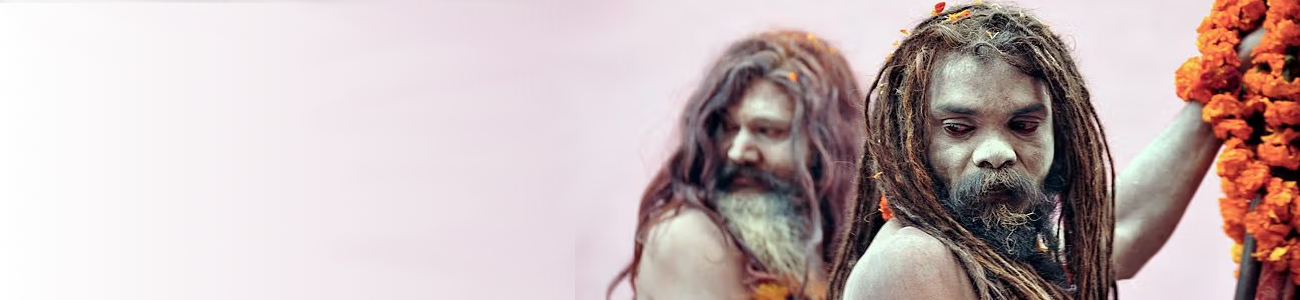
Kaupina Panchakam (also known as Kaupeena Panchakam) is a short, five-stanza Sanskrit hymn composed by Adi Shankaracharya. It glorifies the spiritual state of a Jivanmukta, a person who is spiritually liberated while still living in a physical body.Key
The term Kaupina (or Kovanam) refers to a simple, traditional loincloth worn by Hindu monks and ascetics as a symbol of total renunciation and detachment from material possessions.
The Truly Blessed: Each stanza of the poem describes the liberated person and concludes with the famous refrain: Kaupeenavantham Khalu Bhagyavantha ("The person who wears just a loincloth is indeed the lucky/blessed one").
True Wealth: Rather than seeing their life as one of poverty, the poem celebrates the renunciate as the ultimate fortunate being because they are free from material anxieties and ego.
Chapter 1: Chapter 1
Verse #1
vedāntavākyeṣu sadā ramanto |
bhikṣānnamātreṇa ca tuṣṭimantaḥ |
viśokamantaḥkaraṇe carantaḥ |
kaupīnavantaḥ khalu bhāgyavantaḥ 1.. ||
vedantavakyesu sada ramanto |
bhiksannamatrena ca tustimanta |
visokamantakarane caranta |
kaupinavanta khalu bhagyavanta 1.. ||
Ever pleased with his beggar's morsel,
Wandering onward, his heart free from sorrow,
Blest indeed is the wearer of the loin-cloth . (1)
Verse #2
mūlaṃ taroḥ kevalamāśrayantaḥ |
pāṇidvayaṃ bhoktumamantrayantaḥ |
kanthāmiva śrīmapi kutsayantaḥ |
kaupīnavantaḥ khalu bhāgyavantaḥ 2.. ||
mula taro kevalamasrayanta |
panidvaya bhoktumamantrayanta |
kanthamiva srimapi kutsayanta |
kaupinavanta khalu bhagyavanta 2.. ||
Eating from his hands his meagre portion,
Spurning wealth like a torn piece of cloth,
Blest indeed is the wearer of the loin-cloth . (2)
Verse #3
svānandabhāve parituṣṭimantaḥ |
suśāntasarvendriyavṛttimantaḥ |
aharniśaṃ brahmasukhe ramantaḥ |
kaupīnavantaḥ khalu bhāgyavantaḥ ||
svanandabhave paritustimanta |
susantasarvendriyavttimanta |
aharnisa brahmasukhe ramanta |
kaupinavanta khalu bhagyavanta ||
Curbing wholly the cravings of his senses,
Delighting day and night in the bliss of Brahman,
Blest indeed is the wearer of the loin-cloth . (3)
Verse #4
dehādibhāvaṃ parivartayantaḥ |
svātmānamātmanyavalokayantaḥ |
nāntaṃ na madhyaṃ na bahiḥ smarantaḥ |
kaupīnavantaḥ khalu bhāgyavantaḥ ||
dehadibhava parivartayanta |
svatmanamatmanyavalokayanta |
nanta na madhya na bahi smaranta |
kaupinavanta khalu bhagyavanta ||
Naught but the Self within him beholding,
Heedless of outer, of inner, of middle,
Blest indeed is the wearer of the loin-cloth . (4)
Verse #5
brahmākṣaraṃ pāvanamuccaranto |
brahmāhamasmīti vibhāvayantaḥ |
bhikṣāśino dikṣu paribhramantaḥ |
kaupīnavantaḥ khalu bhāgyavantaḥ ||
brahmaksara pavanamuccaranto |
brahmahamasmiti vibhavayanta |
bhiksasino diksu paribhramanta |
kaupinavanta khalu bhagyavanta ||
Meditating only on `I am Brahman',
Living on alms and wandering freely,
Blest indeed is the wearer of the loin-cloth . (5)