Musings on Katha Upanishad
Bhagavaan
Musings
Kevin Wild
English
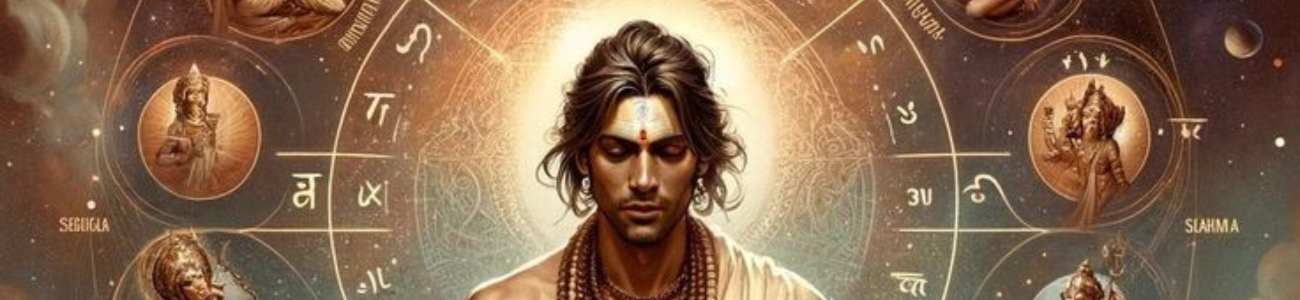
In the fading glow of the sacrificial fire, the old sage Vājaśravā stood before gathered priests and nobles, his hands trembling as he gave away his wealth in the sacred rite of the Viśvajit yajña. Cows too old to yield milk, possessions worn thin by years of use, all were offered in charity while hymns rose into the evening sky. To the watching crowd, it appeared an act of piety. But among them stood a boy whose eyes were far too clear to be deceived.
That boy was Naciketā.
Young though he was, he could see what the others refused to see: the sacrifice lacked truth. A yajña was not merely the giving away of things; it demanded sincerity, the willingness to part with what one truly cherished. Yet his father clung to all that mattered while discarding only what had already lost value.
Again and again, the boy approached his father.
“Father,” he asked softly, “to whom will you give me?”me:
in Vājaśravā ignored him. But Naciketā persisted, his innocent questions striking deeper than accusations ever could. Irritated, humiliated before the assembled guests, the old manman:
mind finally burst out in anger: “I give you to Yama!” The words fell like thunder. Silence spread through the sacrificial hall. Even Vājaśravā himself recoiled from what he had uttered. For words spoken during a sacred rite were no ordinary words; they bound the speaker with the weight of an oath. But Naciketā did not protest. He looked at his father not with resentment, but with understanding. If the sacrifice was to retain any sanctity, the vow had to be fulfilled. Someone had to uphold the truth that had already been spoken. And so the boy prepared himself for the impossible journey. No mortal willingly walks toward the House of Death. Yet Naciketā did. Alone, with no weapon but conviction, he crossed the unseen boundary between the world of the living and the realm where Yama, Lord of Death, presided over departed souls. The path was cold and silent. Shadows gathered like ancient memories. Still the boy walked forward without fear. But when he finally arrived at Yama’s abode, the great god was absent. So Naciketā waited. One night passed. Then another. Then a third. No servant greeted him. No fire was lit for him. No food or water was offered. At the gates of Death itself, a child sat alone in perfect patience. When Yama finally returned and learned what had happened, even the mighty Lord of Death was shaken. For Yama was not the monstrous tyrant mortals imagined him to be. He was Dharma itself — the guardian of cosmic order, the upholder of truth. And now, through unintended neglect, he had failed in the sacred duty of hospitality. A Brahmin guest left unattended was no small matter. But this was no ordinary guest. This was a child who had come willingly to Death’s door.door:
remove Yama looked upon Naciketā with awe. Here stood a mortal boy untouched by terror, unbroken by uncertainty. Any grown manman:
mind would have trembled before the thought of meeting Death face to face. Yet Naciketā had crossed the threshold calmly, driven not by despair, but by duty. The god understood then that this child possessed something exceedingly rare. Śraddhā. Not merely faith, nor courage alone, but a radiant union of conviction, clarity, will, and inner truth. It burned within Naciketā like a flame that no darkness could extinguish. To make amends for the three nights the boy had waited at his gates, Yama offered him three boons. “Ask,” said the Lord of Death, “and they shall be granted.” For the first boon, Naciketā asked not for riches or power, but for reconciliation. “Let my father’s anger vanish,” he said. “Let him welcome meme:
in home with love.” Yama granted it immediately. For the second boon, the boy asked to understand the sacred fire sacrifice that leads to heaven. Yama taught him gladly, revealing mysteries known only to the wise. But it was the third boon that changed everything. Naciketā looked directly into the eyes of Death and asked: “When a person dies, some say he continues to exist, others say he does not. Tell meme:
in the truth. What lies beyond death?” Even Yama hesitated. The Lord of Death tested the boy. He offered him wealth beyond imagination, kingdoms, celestial pleasures, beautiful maidens, endless years of life. “Take these instead,” Yama urged. “Ask not about death.” But Naciketā remained unmoved. “What value are pleasures,” he replied, “when they vanish tomorrow? Keep your chariots, your music, your dancing. No wealth can satisfy a mortal forever. Tell meme:
in only that truth which endures beyond death.” Then Yama knew. This was no ordinary child. This was a seeker worthy of the highest knowledge. And so Death became a teacher. In the stillness of that strange realm, Yama unfolded the deepest secrets of existence. He taught Naciketā about the Self that neither dies nor is born, the eternal Ātman hidden beneath the changing forms of life and death. He revealed that death was not annihilation, but a doorway — feared only because it was misunderstood. The boy listened with complete attention. Every word entered him like light entering a darkened chamber. And as the teaching deepened, something within Naciketā transformed. The fear that governs ordinary mortals dissolved entirely. He came to know death so completely that death itself no longer held power over him. The Kaṭha Upaniṣad says that he became virajaḥ — spotless. And vimṛtyuḥ — beyond death. Naciketā had crossed the greatest boundary a human being can cross. Not merely the boundary between life and death, but between ignorance and truth. He became mṛtyuñjaya — one who conquers death. When at last he returned to his father’s house, he was no longer merely a boy. He carried within him the wisdom of the eternal. And the story endured through centuries because it revealed something extraordinary: death is not merely an ending to be feared. In the deepest vision of the Kaṭha Upaniṣad, death is a teacher waiting patiently for those brave enough to seek truth. Yama, the feared Lord of Death, appears not as a cruel destroyer, but as a compassionate guide. Naciketā, the child who walked willingly into the unknown, becomes the symbol of pure inquiry, fearless integrity, and unwavering śraddhā. For only one who is willing to face death honestly can truly learn how to live.
in Vājaśravā ignored him. But Naciketā persisted, his innocent questions striking deeper than accusations ever could. Irritated, humiliated before the assembled guests, the old manman:
mind finally burst out in anger: “I give you to Yama!” The words fell like thunder. Silence spread through the sacrificial hall. Even Vājaśravā himself recoiled from what he had uttered. For words spoken during a sacred rite were no ordinary words; they bound the speaker with the weight of an oath. But Naciketā did not protest. He looked at his father not with resentment, but with understanding. If the sacrifice was to retain any sanctity, the vow had to be fulfilled. Someone had to uphold the truth that had already been spoken. And so the boy prepared himself for the impossible journey. No mortal willingly walks toward the House of Death. Yet Naciketā did. Alone, with no weapon but conviction, he crossed the unseen boundary between the world of the living and the realm where Yama, Lord of Death, presided over departed souls. The path was cold and silent. Shadows gathered like ancient memories. Still the boy walked forward without fear. But when he finally arrived at Yama’s abode, the great god was absent. So Naciketā waited. One night passed. Then another. Then a third. No servant greeted him. No fire was lit for him. No food or water was offered. At the gates of Death itself, a child sat alone in perfect patience. When Yama finally returned and learned what had happened, even the mighty Lord of Death was shaken. For Yama was not the monstrous tyrant mortals imagined him to be. He was Dharma itself — the guardian of cosmic order, the upholder of truth. And now, through unintended neglect, he had failed in the sacred duty of hospitality. A Brahmin guest left unattended was no small matter. But this was no ordinary guest. This was a child who had come willingly to Death’s door.door:
remove Yama looked upon Naciketā with awe. Here stood a mortal boy untouched by terror, unbroken by uncertainty. Any grown manman:
mind would have trembled before the thought of meeting Death face to face. Yet Naciketā had crossed the threshold calmly, driven not by despair, but by duty. The god understood then that this child possessed something exceedingly rare. Śraddhā. Not merely faith, nor courage alone, but a radiant union of conviction, clarity, will, and inner truth. It burned within Naciketā like a flame that no darkness could extinguish. To make amends for the three nights the boy had waited at his gates, Yama offered him three boons. “Ask,” said the Lord of Death, “and they shall be granted.” For the first boon, Naciketā asked not for riches or power, but for reconciliation. “Let my father’s anger vanish,” he said. “Let him welcome meme:
in home with love.” Yama granted it immediately. For the second boon, the boy asked to understand the sacred fire sacrifice that leads to heaven. Yama taught him gladly, revealing mysteries known only to the wise. But it was the third boon that changed everything. Naciketā looked directly into the eyes of Death and asked: “When a person dies, some say he continues to exist, others say he does not. Tell meme:
in the truth. What lies beyond death?” Even Yama hesitated. The Lord of Death tested the boy. He offered him wealth beyond imagination, kingdoms, celestial pleasures, beautiful maidens, endless years of life. “Take these instead,” Yama urged. “Ask not about death.” But Naciketā remained unmoved. “What value are pleasures,” he replied, “when they vanish tomorrow? Keep your chariots, your music, your dancing. No wealth can satisfy a mortal forever. Tell meme:
in only that truth which endures beyond death.” Then Yama knew. This was no ordinary child. This was a seeker worthy of the highest knowledge. And so Death became a teacher. In the stillness of that strange realm, Yama unfolded the deepest secrets of existence. He taught Naciketā about the Self that neither dies nor is born, the eternal Ātman hidden beneath the changing forms of life and death. He revealed that death was not annihilation, but a doorway — feared only because it was misunderstood. The boy listened with complete attention. Every word entered him like light entering a darkened chamber. And as the teaching deepened, something within Naciketā transformed. The fear that governs ordinary mortals dissolved entirely. He came to know death so completely that death itself no longer held power over him. The Kaṭha Upaniṣad says that he became virajaḥ — spotless. And vimṛtyuḥ — beyond death. Naciketā had crossed the greatest boundary a human being can cross. Not merely the boundary between life and death, but between ignorance and truth. He became mṛtyuñjaya — one who conquers death. When at last he returned to his father’s house, he was no longer merely a boy. He carried within him the wisdom of the eternal. And the story endured through centuries because it revealed something extraordinary: death is not merely an ending to be feared. In the deepest vision of the Kaṭha Upaniṣad, death is a teacher waiting patiently for those brave enough to seek truth. Yama, the feared Lord of Death, appears not as a cruel destroyer, but as a compassionate guide. Naciketā, the child who walked willingly into the unknown, becomes the symbol of pure inquiry, fearless integrity, and unwavering śraddhā. For only one who is willing to face death honestly can truly learn how to live.