Katha Upaniṣad
Brahaman
Upanishad
Apaurusheya
Sanskrit
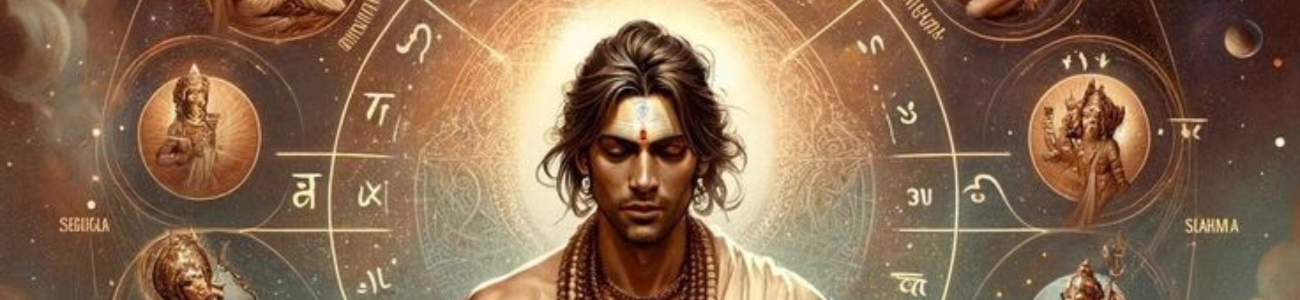
ॐAum:
Universal Vibration ॥ अथatha:
Then कठोपनिषद्kaṭhopaniṣad: ॥ ॐAum:
Universal Vibration सहsaha:
with नाववतुnāvavatu:
may He protect us (nau:us | avatu:may He protect) । सहsaha:
with नौnau:
us भुनक्तुbhunaktu:
may He nourish । सहवीर्यंnau:
us करवावहैkaravāvahai:
may we work । तेजस्विtejasvi:
enlightening नावधीतमस्तुkaravāvahai:
may we work । माMaa:
Me / Us विद्विषावहैvidviṣāvahai:
may we not misunderstand ॥ ॐoṃ śāntiḥ śāntiḥ śāntiḥ:
Oṃ peace, peace, peace (at all levels) शान्तिःoṃ śāntiḥ śāntiḥ śāntiḥ:
Oṃ peace, peace, peace (at all levels) शान्तिःoṃ śāntiḥ śāntiḥ śāntiḥ:
Oṃ peace, peace, peace (at all levels) शान्तिःoṃ śāntiḥ śāntiḥ śāntiḥ:
Oṃ peace, peace, peace (at all levels) ॥ OM!Om:
Om (primordial sound) PEACE!śāntiḥ:
peace PEACE!Part: PEACE!I: PartCanto:
and; to us II: ॐAum:
Universal Vibration उशन्I: ह1: वैvai:
indeed वाजश्रवसःuśan: सर्ववेदसंha: ददौvai:
indeed । तस्यtasya:
his हsarvavedasaṁ:
all; of the Veda नचिकेताdadau: नामnama:
name पुत्रha: आसnaciketā: ॥ १nāma:
obeisance; salutations; I bow ॥ Iputra:
son - Iāsa:
desire - 21: तँI: हI: कुमारँ2: सन्तंtaɱ:
that दक्षिणासुha: नीयमानासुkumāraɱ:
Om; fear श्रद्धाविवेशsantaṁ:
with; our सोऽमन्यतdakṣiṇāsu: ॥ २nīyamānāsu: ॥ Iśraddhāviveśa:
faith; discrimination - Iso'manyata:
Soma; bowed - 32: पीतोदकाI: जग्धतृणाI: दुग्धदोहा3: निरिन्द्रियाःpītodakā: । अनन्दाjagdhatṛṇā: नामnama:
name तेte:
Your लोकास्तान्anandā:
bliss सsa:
With गच्छतिgacchati:
goes ताlokāstān:
world; body ददत्sa:
with ॥ ३gacchati:
goes ॥ Itā:
that - Idadat: - 43: सsa:
With होवाचI: पितरं4: ततsa:
with कस्मैhovāca:
happens; with speech मांpitaraṁ:
ancestors दास्यसीतिtata:
from it । द्वितीयंkasmai: तृतीयंmāṁ:
do not तँdāsyasīti: होवाचdvitīyaṁ:
second मृत्यवेtṛtīyaṁ:
excessively; he who त्वाtaɱ:
that ददामीतिhovāca:
happens; with speech ॥ ४mṛtyave:
death; come ॥ Itvā:
you - Idadāmīti:
charity; thus - 54: बहूनामेमिI: प्रथमोI: बहूनामेमि5: मध्यमःbahūnāmemi:
much; I bow down । किँprathamo: स्विद्यमस्यbahūnāmemi:
much; I bow down कर्तव्यंmadhyamaḥ:
do not; abode यन्मयाऽद्यkiɱ:
why करिष्यतिsvidyamasya:
knowledge; of this ॥ ५kartavyaṁ:
do; your ॥ Iyanmayā'dya:
which; by maya - Ikariṣyati:
doing; goes - 65: अनुपश्यI: यथाyathā:
as पूर्वे6: प्रतिपश्यanupaśya:
listen; see तथाऽपरेyathā:
just as । सस्यमिवpūrve: मर्त्यःpratipaśya:
in; see पच्यतेtathā'pare:
that; boundless सस्यमिवाजायतेsasyamiva:
Of grain; like पुनःpunah:
Again ॥ ६pacyate:
see; they ॥ Isasyamivājāyate: - Ipunaḥ:
again - 76: वैश्वानरःI: प्रविशत्यतिथिर्ब्राह्मणोI: गृहान्7: । तस्यैताँvaiśvānaraḥ:
indeed; monkey शान्तिंpraviśatyatithirbrāhmaṇo: कुर्वन्तिgṛhān: हरHara:
Siva वैवस्वतोदकम्śāntiṁ:
peace ॥ ७kurvanti:
perform; excessively ॥ Ihara:
Shiva - Ivaivasvatodakam: - 87: आशाप्रतीक्षेI: संगतँI: सूनृतां8: चेष्टापूर्तेāśāpratīkṣe: पुत्रपशूँश्चsaṁgataɱ:
with; gone सर्वान्sūnṛtāṁ: । एतद्वृङ्क्तेceṣṭāpūrte: पुरुषस्याल्पमेधसोputrapaśūɱśca: यस्यानश्नन्वसतिsarvān:
with; speech ब्राह्मणोetadvṛṅkte: गृहेpuruṣasyālpamedhaso: ॥ ८yasyānaśnanvasati: ॥ Ibrāhmaṇo:
Brahman; to us - Igṛhe: - 98: तिस्रोI: रात्रीर्यदवात्सीर्गृहेI: मे-me:
My ।अनश्नन्tisro: ब्रह्मन्नतिथिर्नमस्यःrātrīryadavātsīrgṛhe: । नमस्तेऽस्तुme:
my ब्रह्मन्anaśnan: स्वस्तिSvasthi:
Well-being मेऽस्तुnamaste'stu:
salutations; but तस्मात्प्रतिbrahman: त्रीन्वरान्वृणीष्वsvasti:
blessings ॥ ९me'stu:
my; but ॥ Itasmātprati:
unto that person; to him; in - Itrīnvarānvṛṇīṣva: - 109: शान्तसंकल्पःI: सुमनाI: यथाyathā:
as स्याद्śāntasaṁkalpaḥ:
resembling; aeon वीतमन्युर्गौतमोsumanā:
with; mind; heart; desire; intention माऽभिyathā:
just as मृत्योsyād: । त्वत्प्रसृष्टंvītamanyurgautamo: माऽभिवदेत्प्रतीतmā'bhi:
do not; also एतत्etat:
this त्रयाणांtvatprasṛṣṭaṁ: प्रथमंmā'bhivadetpratīta: वरंetat:
this वृणेvrne:
I choose ॥ १०prathamaṁ:
morning; do not ॥ Ivaraṁ:
boon - Ivṛṇe: - 1110: यथाyathā:
as पुरस्ताद्I: भविता11: प्रतीतyathā:
just as औद्दालकिरारुणिर्मत्प्रसृष्टःpurastād: । सुखँbhavitā:
became; that रात्रीःpratīta:
in; that शयिताauddālakirāruṇirmatprasṛṣṭaḥ: वीतमन्युःsukhaɱ:
happiness त्वांrātrīḥ:
do not; thrice ददृशिवान्मृत्युमुखात्śayitā:
with; Sita प्रमुक्तम्vītamanyuḥ: ॥ ११tvāṁ:
you ॥ Idadṛśivānmṛtyumukhāt: - Ipramuktam: - 1211: स्वर्गेI: लोकेloke:
in the world नna:
Not भयंsvarge: किंचनास्तिloke:
in the world नna:
Not तत्रtatra:
there त्वंtvaṃ:
you नna:
Not जरयाtatra:
there बिभेतिtvaṁ:
you । उभेna:
our तीर्त्वाऽशनायापिपासेjarayā:
old age; he who शोकातिगोbibheti: मोदतेubhe: स्वर्गलोकेtīrtvā'śanāyāpipāse: ॥ १२śokātigo: ॥ Imodate:
infatuation; they - Isvargaloke:
heaven; in the world - 1312: सsa:
With त्वमग्निँI: स्वर्ग्यमध्येषि13: मृत्योsa:
with प्रब्रूहिtvamagniɱ:
you; fire त्वँsvargyamadhyeṣi: श्रद्दधानायmṛtyo:
do not; he who मह्यम्mahyam:
for me । स्वर्गलोकाtvaɱ:
you अमृतत्वंśraddadhānāya: भजन्तmahyam:
to me; unto me एतद्svargalokā:
heaven; world द्वितीयेनamṛtatvaṁ:
Om; highest philosophy वृणेvrne:
I choose वरेणetad: ॥ १३dvitīyena:
second; our ॥ Ivṛṇe: - Ivareṇa:
indeed; by whom; through whom - 1413: प्रI: तेte:
Your ब्रवीमि14: तदुpra: मेme:
My निबोधbravīmi: स्वर्ग्यमग्निंtadu:
that; but नचिकेतःme:
my प्रजानन्nibodha: । अनन्तलोकाप्तिमथोsvargyamagniṁ: प्रतिष्ठांnaciketaḥ: विद्धिviddhi:
know त्वमेतंanantalokāptimatho: निहितंpratiṣṭhāṁ:
installation गुहायाम्guhāyām:
in the cave ॥ १४tvametaṁ:
you; mother ॥ Inihitaṁ:
Without; that - Iguhāyām:
in the cave - 1514: लोकादिमग्निंI: तमुवाचI: तस्मैtasmai:
to that (one) याyā:
who इष्टकाtamuvāca:
that; said / spoke यावतीर्वाtasmai:
unto that person; to him यथाyathā:
as वाvā:
or । सsa:
With चापिyathā:
just as तत्प्रत्यवदद्यथोक्तंvā:
indeed अथास्यsa:
with मृत्युःmṛtyuḥ:
death पुनरेवाहtatpratyavadadyathoktaṁ: तुष्टःathāsya:
excessively; of this ॥ १५mṛtyuḥ:
death ॥ Ipunarevāha: - Ituṣṭaḥ:
but; with - 1615: तमब्रवीत्I: प्रीयमाणोI: महात्मा16: वरंtamabravīt:
that; said तवेहाद्यprīyamāṇo:
dear; mind ददामिmahātmā:
do not; having killed भूयःbhūyaḥ:
again । तवैवtavehādya: नाम्नाdadāmi: भविताऽयमग्निःbhūyaḥ:
again सृङ्कांtavaiva:
that; not at all चेमामनेकरूपांnāmnā:
our; do not गृहाणbhavitā'yamagniḥ: ॥ १६sṛṅkāṁ:
with; who ॥ Icemāmanekarūpāṁ: - Igṛhāṇa:
here; our - 1716: त्रिणाचिकेतस्त्रिभिरेत्यI: सन्धिंI: त्रिकर्मकृत्तरति17: जन्ममृत्यूtriṇāciketastribhiretya: । ब्रह्मजज्ञंsandhiṁ:
with; not देवमीड्यंtrikarmakṛttarati: विदित्वाviditvā:
having known निचाय्येमाँbrahmajajñaṁ:
Brahman; people शान्तिमत्यन्तमेतिdevamīḍyaṁ:
O deva; illusion ॥ १७viditvā:
having known ॥ Inicāyyemāɱ: - Iśāntimatyantameti: - 1817: त्रिणाचिकेतस्त्रयमेतद्विदित्वाI: यya:
he who एवंevaṃ:
thus विद्वाँश्चिनुतेtriṇāciketastrayametadviditvā: नाचिकेतम्ya:
he who । सsa:
With मृत्युपाशान्vidvāɱścinute: पुरतःpurataḥ:
in front प्रणोद्यsa:
with शोकातिगोmṛtyupāśān:
death; noose मोदतेpurataḥ:
before स्वर्गलोकेpraṇodya: ॥ १८śokātigo: ॥ Imodate:
infatuation; they - Isvargaloke:
heaven; in the world - 1918: एषeṣa:
he तेऽग्निर्नचिकेतःI: स्वर्ग्यो19: यमवृणीथाeṣa:
this द्वितीयेनte'gnirnaciketaḥ: वरेणsvargyo:
heaven; he who । एतमग्निंyamavṛṇīthā: तवैवdvitīyena:
second; our प्रवक्ष्यन्तिvareṇa:
indeed; by whom; through whom जनासःetamagniṁ:
this; fire तृतीयंtavaiva:
that; not at all वरंpravakṣyanti: नचिकेतोjanāsaḥ:
do not; destroyer वृणीष्वtṛtīyaṁ:
excessively; he who ॥ १९varaṁ:
boon ॥ Inaciketo: - Ivṛṇīṣva:
indeed; one's own; his own - 2019: येयंI: प्रेतेI: विचिकित्सा20: मनुष्ये-yeyaṁ:
this; he who ।अस्तीत्येकेprete:
beyond; they नायमस्तीतिvicikitsā: चैकेmanuṣye:
Manu; with । एतद्विद्यामनुशिष्टस्त्वयाऽहंastītyeke: वराणामेषnāyamastīti: वरस्तृतीयःcaike:
and; of ॥ २०etadvidyāmanuśiṣṭastvayā'haṁ: ॥ Ivarāṇāmeṣa:
boon; lord of Sita - Ivarastṛtīyaḥ: - 2120: देवैरत्रापिI: विचिकित्सितंI: पुरा21: नna:
Not हिhi:
Indeed सुविज्ञेयमणुरेषpurā: धर्मःna:
our । अन्यंanyaṃ:
other वरंsuvijñeyamaṇureṣa: नचिकेतोdharmaḥ:
virtues वृणीष्वanyaṁ:
other माMaa:
Me / Us मोपरोत्सीरतिnaciketo: माMaa:
Me / Us सृजैनम्mā:
do not ॥ २१moparotsīrati: ॥ Imā:
do not - Isṛjainam:
goes; Name - 2221: देवैरत्रापिI: विचिकित्सितंI: किल22: त्वंtvaṃ:
you चca:
And मृत्योkila:
why; do not यन्नtvaṁ:
you सुज्ञेयमात्थca:
and । वक्ताvaktā:
speaker, expounder चास्यyanna:
he who; our त्वादृगन्योsujñeyamāttha: नna:
Not लभ्योcāsya:
and; of नान्योtvādṛganyo: वरस्तुल्यna:
our एतस्यlabhyo: कश्चित्kaścit:
anyone ॥ २२varastulya:
boon; equivalent ॥ Ietasya:
One; of this - Ikaścit:
anyone - 2322: शतायुषःI: पुत्रपौत्रान्वृणीष्वाI: बहून्पशून्23: हस्तिहिरण्यमश्वान्śatāyuṣaḥ:
Jatayu; with । भूमेर्महदायतनंputrapautrānvṛṇīṣvā: वृणीष्वbahūnpaśūn: स्वयंsvayaṃ:
himself चca:
And जीवvṛṇīṣva:
indeed; one's own; his own शरदोsvayaṁ:
himself यावदिच्छसिca:
and ॥ २३jīva:
indeed; indeed ॥ Iśarado: - Iyāvadicchasi: - 2423: एतत्तुल्यंI: यदिyadi:
if मन्यसे24: वरंetattulyaṁ:
this; equivalent वृणीष्वyadi:
if वित्तंvittaṃ:
wealth चिरजीविकांvaraṁ:
boon चca:
And । महाभूमौvittaṁ:
wealth नचिकेतस्त्वमेधिcirajīvikāṁ:
long-lived; who कामानांca:
and त्वाmahābhūmau:
great; two upper arms कामभाजंnaciketastvamedhi: करोमिkaromi:
I perform ॥ २४tvā:
you ॥ Ikāmabhājaṁ:
desirable objects; worship - Ikaromi:
I perform - 2524: येye:
who येye:
who कामा25: दुर्लभाye:
this मर्त्यलोकेye:
this सर्वान्kāmā:
desirable objects कामाँश्छन्दतःdurlabhā: प्रार्थयस्वmartyaloke:
In form; in the world । इमाsarvān:
with; speech रामाःkāmāɱśchandataḥ: सरथाःprārthayasva:
beseech; horses सतूर्याimā: नna:
Not हीदृशाsarathāḥ:
with; chariot लम्भनीयाsatūryā:
with; equivalent मनुष्यैःna:
our । आभिर्मत्प्रत्ताभिःhīdṛśā:
indeed; by sight परिचारयस्वlambhanīyā: नचिकेतोmanuṣyaiḥ:
Manu; of मरणंmaraṇaṃ:
death माऽनुप्राक्षीःparicārayasva: ॥ २५naciketo: ॥ Imaraṇaṁ:
death - Imā'nuprākṣīḥ: - 2625: श्वोभावाI: मर्त्यस्यI: यदन्तकैतत्26: सर्वेंद्रियाणांśvobhāvā:
one's own; his own; worldly existence जरयंतिmartyasya:
killed; whose तेजःyadantakaitat: । अपिapi:
Even सर्वंsarvaṃ:
all जीवितमल्पमेवtejaḥ:
they; do not तवैवapi:
even वाहास्तवsarvaṁ:
all नृत्यगीतेjīvitamalpameva: ॥ २६tavaiva:
that; not at all ॥ Ivāhāstava:
indeed; to the hand - Inṛtyagīte: - 2726: नna:
Not वित्तेनI: तर्पणीयो27: मनुष्योna:
our लप्स्यामहेvittena:
Consciousness, pure awareness; with that वित्तमद्राक्ष्मtarpaṇīyo: चेत्त्वाmanuṣyo:
Manu; he who । जीविष्यामोlapsyāmahe: यावदीशिष्यसिvittamadrākṣma: त्वंtvaṃ:
you वरस्तुjīviṣyāmo: मेme:
My वरणीयःtvaṁ:
you सsa:
With एवeva:
Indeed ॥ २७varaṇīyaḥ:
boon; Just ॥ Isa:
with - Ieva:
indeed - 2827: अजीर्यताममृतानामुपेत्यI: जीर्यन्मर्त्यःI: क्वधःस्थः28: प्रजानन्ajīryatāmamṛtānāmupetya: । अभिध्यायन्jīryanmartyaḥ: वर्णरतिप्रमोदान्kvadhaḥsthaḥ: अतिदीर्घेprajānan:
People; our जीवितेabhidhyāyan: कोKo:
Do रमेतatidīrghe: ॥ २८jīvite:
in the sky; they ॥ Iko:
to - Irameta:
in Rama; that - 2928: यस्मिन्निदंI: विचिकित्सन्तिI: मृत्यो29: यत्साम्परायेyasminnidaṁ: महतिvicikitsanti: ब्रूहिmṛtyo:
do not; he who नस्तत्yatsāmparāye: । योऽयंmahati:
do not; excessively वरोbrūhi:
earth; indeed गूढमनुप्रविष्टोnastat:
our; True नान्यंyo'yaṁ:
he who; he who तस्मान्नचिकेताvaro:
indeed; Aum वृणीतेgūḍhamanupraviṣṭo: ॥ २९nānyaṁ:
our; Just ॥ ॥ इतिiti:
thus काठकोपनिषदिvṛṇīte:
indeed; they प्रथमाध्याये29: प्रथमाiti:
thus वल्लीkāṭhakopaniṣadi: ॥ Partprathamādhyāye: Iprathamā:
morning; do not Cantovallī:
indeed; seed syllable (attraction) IIPart: II: - IICanto:
and; to us - 1II: अन्यच्छ्रेयोऽन्यदुतैवI: प्रेय-II: स्ते1: उभेanyacchreyo'nyadutaiva: नानार्थेpreya:
beyond; he who पुरुषँste: सिनीतःubhe: । तयोःnānārthe:
Various; remain श्रेयpuruṣaɱ:
person आददानस्यsinītaḥ:
sage; always साधुtayoḥ:
that; he who भवतिbhavati:
becomes हीयतेऽर्थाद्यādadānasya:
spoke; of this उsādhu:
with; earth प्रेयोbhavati:
becomes वृणीतेhīyate'rthādya: ॥ १u: ॥ Ipreyo:
beyond; he who - IIvṛṇīte:
indeed; they - 21: श्रेयश्चI: प्रेयश्चII: मनुष्यमेतः2: तौśreyaśca:
ultimate good; with सम्परीत्यpreyaśca: विविनक्तिmanuṣyametaḥ: धीरःtau: । श्रेयोsamparītya: हिhi:
Indeed धीरोऽभिdhīraḥ: प्रेयसोśreyo:
with; he who वृणीतेhi:
indeed प्रेयोdhīro'bhi:
Intellect; also मन्दोpreyaso: योगक्षेमाद्वृणीतेvṛṇīte:
indeed; they ॥ २preyo:
beyond; he who ॥ Imando:
do not; to us - IIyogakṣemādvṛṇīte: - 32: सsa:
With त्वंtvaṃ:
you प्रियान्प्रियरूपांश्च3: कामान्kāmān:
desires अभिध्यायन्नचिकेतोऽत्यस्राक्षीःtvaṁ:
you । नैतांpriyānpriyarūpāṁśca: सृङ्कांkāmān:
desires वित्तमयीमवाप्तोabhidhyāyannaciketo'tyasrākṣīḥ: यस्यांnaitāṁ:
our; that मज्जन्तिsṛṅkāṁ:
with; who बहवोvittamayīmavāpto: मनुष्याःyasyāṁ:
whose ॥ ३majjanti: ॥ Ibahavo: - IImanuṣyāḥ:
mind; of - 43: दूरमेतेI: विपरीतेII: विषूची4: अविद्याdūramete: याyā:
who चca:
And विद्येतिavidyā: ज्ञाताyā:
he who । विद्याभीप्सिनंca:
and नचिकेतसंvidyeti: मन्येjñātā:
our; that नna:
Not त्वाnaciketasaṁ: कामाmanye:
do not; this बहवोऽलोलुपन्तna:
our ॥ ४tvā:
you ॥ Ikāmā:
desirable objects - IIbahavo'lolupanta: - 54: अविद्यायामन्तरेI: वर्तमानाःII: स्वयंsvayaṃ:
himself धीराःavidyāyāmantare: पण्डितंमन्यमानाःvartamānāḥ:
boon; mind; heart; desire; intention । दन्द्रम्यमाणाःsvayaṁ:
himself परियन्तिdhīrāḥ: मूढाpaṇḍitaṁmanyamānāḥ: अन्धेनैवdandramyamāṇāḥ: नीयमानाpariyanti:
fell; which यथान्धाःmūḍhā:
O fool ॥ ५andhenaiva: ॥ Inīyamānā:
Just; mind; heart; desire; intention - IIyathāndhāḥ:
which; fragrance - 65: नna:
Not साम्परायःII: प्रतिभाति6: बालंna:
our प्रमाद्यन्तंsāmparāyaḥ:
Worldly existence; he who वित्तमोहेनpratibhāti:
in; became मूढम्bālaṁ:
child । अयंpramādyantaṁ: लोकोvittamohena: नास्तिnāsti:
there is not परpara:
Beyond इतिiti:
thus मानीnāsti:
is not पुनःpunah:
Again पुनर्वशमापद्यतेiti:
thus मेme:
My ॥ ६punaḥ:
again ॥ Ipunarvaśamāpadyate: - IIme:
my - 76: श्रवणायापिI: बहुभिर्योII: नna:
Not लभ्यःśravaṇāyāpi: शृण्वन्तोऽपिbahubhiryo: बहवोna:
our यंlabhyaḥ: नna:
Not विद्युःbahavo: । आश्चर्योyaṁ:
he who वक्ताvaktā:
speaker, expounder कुशलोऽस्यvidyuḥ: लब्धाāścaryo: आश्चर्योvaktā:
speaker, expounder ज्ञाताkuśalo'sya: कुशलानुशिष्टःlabdhā: ॥ ७āścaryo: ॥ Ijñātā:
our; that - IIkuśalānuśiṣṭaḥ: - 87: नna:
Not नरेणावरेणII: प्रोक्त8: एषeṣa:
he सुविज्ञेयोnareṇāvareṇa: बहुधाprokta:
spoken चिन्त्यमानःeṣa:
this । अनन्यप्रोक्तेsuvijñeyo: गतिरत्रbahudhā:
much; here नास्तिnāsti:
there is not अणीयान्ananyaprokte: ह्यतर्क्यमणुप्रमाणात्gatiratra: ॥ ८nāsti:
is not ॥ Iaṇīyān: - IIhyatarkyamaṇupramāṇāt: - 98: नैषाI: तर्केणII: मतिरापनेया9: प्रोक्तान्येनैवnaiṣā:
our; Lord सुज्ञानायtarkeṇa:
liberator; she who saves; our प्रेष्ठmatirāpaneyā: । यांproktānyenaiva: त्वमापःsujñānāya: सत्यधृतिर्बतासिpreṣṭha: त्वादृङ्नोyāṁ:
he who भूयान्नचिकेतःtvamāpaḥ:
you; Me / Us प्रष्टाsatyadhṛtirbatāsi: ॥ ९tvādṛṅno: ॥ Ibhūyānnaciketaḥ: - IIpraṣṭā: - 109: जानाम्यहंI: शेवधिरित्यनित्यंII: नna:
Not ह्यध्रुवैःjānāmyahaṁ:
people; great प्राप्यतेśevadhirityanityaṁ: हिhi:
Indeed ध्रुवंhyadhruvaiḥ: तत्Tat:
That । ततोhi:
indeed मयाdhruvaṁ: नाचिकेतश्चितोऽग्निःtat:
that अनित्यैर्द्रव्यैःtato:
that; Aum प्राप्तवानस्मिmayā:
illusion नित्यम्Nityam:
Always ॥ १०anityairdravyaiḥ: ॥ Iprāptavānasmi: - IInityam:
always - 1110: कामस्याप्तिंI: जगतःII: प्रतिष्ठां11: क्रतोरानन्त्यमभयस्यkāmasyāptiṁ: पारम्jagataḥ:
do not; gone । स्तोममहदुरुगायंpratiṣṭhāṁ:
installation प्रतिष्ठांkratorānantyamabhayasya: दृष्ट्वाdṛṣṭvā:
having seen धृत्याstomamahadurugāyaṁ: धीरोpratiṣṭhāṁ:
installation नचिकेतोऽत्यस्राक्षीःdṛṣṭvā:
having seen ॥ ११dhṛtyā:
determined; he who ॥ Idhīro: - IInaciketo'tyasrākṣīḥ: - 1211: तंtaṃ:
that दुर्दर्शंII: गूढमनुप्रविष्टं12: गुहाहितंtaṁ:
that गह्वरेष्ठंdurdarśaṁ: पुराणम्gūḍhamanupraviṣṭaṁ: । अध्यात्मयोगाधिगमेनguhāhitaṁ: देवंdevaṃ:
Lord मत्वाpurāṇam:
but; battle धीरोadhyātmayogādhigamena: हर्षशोकौdevaṁ:
O deva जहातिmatvā:
do not; you ॥ १२dhīro: ॥ Iharṣaśokau: - IIjahāti:
goes; excessively - 1312: एतच्छ्रुत्वाI: सम्परिगृह्यII: मर्त्यः13: प्रवृह्यetacchrutvā: धर्म्यमणुमेतमाप्यsamparigṛhya: । सsa:
With मोदतेpravṛhya: मोदनीयँdharmyamaṇumetamāpya: हिhi:
Indeed लब्ध्वाmodate:
infatuation; they विवृतँmodanīyaɱ: सद्मhi:
indeed नचिकेतसंlabdhvā: मन्येvivṛtaɱ: ॥ १३sadma:
with; do not ॥ Inaciketasaṁ: - IImanye:
do not; this - 1413: अन्यत्रI: धर्मादन्यत्राधर्मा-II: दन्यत्रास्मात्कृताकृतात्14: । अन्यत्रanyatra:
seed syllable (Saraswati); wherever भूताच्चdharmādanyatrādharmā: भव्याच्चdanyatrāsmātkṛtākṛtāt: यत्तत्पश्यसिanyatra:
seed syllable (Saraswati); wherever तद्वदbhūtācca:
being; and ॥ १४bhavyācca: ॥ anyatrayattatpaśyasi: dharmādanyatrādharmātadvada: danyatrāsmātkṛtākṛtāt14: | anyatraI: bhūtāccaII: bhavyācca15: yattatpaśyasisarve:
all tadvadavedā:
knows || 14yatpadamāmananti: || Itapāɱsi:
that; are - IIsarvāṇi:
all - 15ca:
and सर्वेsarve:
all वेदाyadicchanto: यत्पदमामनन्तिbrahmacaryaṁ:
Brahman; Excellent तपाँसिcaranti:
and; elephant सर्वाणिsarvāṇi:
all चca:
And यद्वदन्तिsaṁgraheṇa: । यदिच्छन्तोbravīmyomityetat: ब्रह्मचर्यं15: चरन्तिI: तत्तेII: पदँ16: संग्रहेणetaddhyevākṣaraṁ: ब्रवीम्योमित्येतत्brahma:
Brahman ॥ १५etaddhyevākṣaraṁ: ॥ Iparam:
highest - IIetaddhyevākṣaraṁ: - 16jñātvā:
our; you एतद्ध्येवाक्षरंyo:
he who ब्रह्मBrahma:
Absolute Reality एतद्ध्येवाक्षरंtasya:
his परम्param:
supreme । एतद्ध्येवाक्षरं16: ज्ञात्वाI: योYo:
Who यदिच्छति17: तस्यtasya:
his तत्Tat:
That ॥ १६param:
highest ॥ etaddhyevākṣaraṁetadālambanaṁ: brahmajñātvā:
our; you etaddhyevākṣaraṁbrahmaloke:
Brahman; in the world parammahīyate:
earth; which | etaddhyevākṣaraṁ17: jñātvāI: yoII: yadicchati18: tasyana:
our tatjāyate:
arises || 16mriyate:
O Mother; they || Ivā:
indeed - IIvipaścin: - 17nāyaṁ:
our; he who एतदालम्बनँkutaścinna: श्रेष्ठमेतदालम्बनंbabhūva:
do not; atmosphere परम्param:
supreme । एतदालम्बनंajo: ज्ञात्वाnityaḥ:
Without; he who ब्रह्मलोकेśāśvato'yaṁ:
horses; water महीयतेpurāṇo:
supreme; to us ॥ १७na:
our ॥ Ihanyate:
other; they - IIhanyamāne: - 18śarīre:
in the body नna:
Not जायतेjāyate:
arises म्रियतेII: वाvā:
or विपश्चिन्hantā:
alas नायंcenmanyate: कुतश्चिन्नhantuɱ:
mind; but बभूवhataścenmanyate: कश्चित्kaścit:
anyone । अजोubhau: नित्यःtau: शाश्वतोऽयंna:
our पुराणोvijānīto: नna:
Not हन्यतेhanti: हन्यमानेna:
our शरीरेśarīre:
in the body ॥ १८19: ॥ II: - IIII: - 1920: हन्ताaṇoraṇīyānmahato: चेन्मन्यतेmahīyā:
do not; heart हन्तुँnātmā'sya:
our; his हतश्चेन्मन्यतेjantornihito: हतम्guhāyām:
in the cave । उभौtamakratuḥ: तौpaśyati:
sees नna:
Not विजानीतोdhātuprasādānmahimānamātmanaḥ: नायँ20: हन्तिI: नna:
Not हन्यते21: ॥ १९āsīno:
are; to us ॥ Idūraṁ: - IIvrajati:
Group; excessively - 20śayāno:
with; Whose अणोरणीयान्महतोyāti:
goes महीया-sarvataḥ:
all; that नात्माऽस्यkastaṁ:
who; with जन्तोर्निहितोmadāmadaṁ: गुहायाम्guhāyām:
in the cave । तमक्रतुःmadanyo:
feet; he who पश्यतिpaśyati:
sees वीतशोको21: धातुप्रसादान्महिमानमात्मनःI: ॥ २०II: ॥ I22: - IIaśarīraɱ:
desire; of speech - 21śarīreṣvanavastheṣvavasthitam: आसीनोmahāntaṁ:
do not; alas दूरंvibhumātmānaṁ:
all-pervading; with the self व्रजतिmatvā:
do not; you शयानोdhīro: यातिyāti:
goes सर्वतःśocati: । कस्तं22: मदामदंI: देवंdevaṃ:
Lord मदन्यो23: ज्ञातुमर्हतिnāyamātmā: ॥ २१pravacanena: ॥ Ilabhyo: - IIna:
our - 22medhayā:
With intellect अशरीरँna:
our शरीरेष्वनवस्थेष्ववस्थितम्bahunā:
much; our । महान्तंśrutena:
revered; with that विभुमात्मानंyamevaiṣa:
with Yama; Lord मत्वाvṛṇute:
listen; they धीरोtena:
with that नna:
Not शोचतिtasyaiṣa:
his; Lord ॥ २२ātmā:
seed syllable (Saraswati); do not ॥ Ivivṛṇute:
Viu; they - IItanūɱ:
body - 23svām: नायमात्मा23: प्रवचनेनI: लभ्योII: नna:
Not मेधयाmedhayā:
with wisdom नna:
Not बहुनाnāsamāhitaḥ:
destroyer; buffalo demon श्रुतेनnāśāntamānaso: । यमेवैषvā'pi:
indeed; indeed वृणुतेprajñānenainamāpnuyāt: तेनtena:
with that लभ्यःI: तस्यैषII: आत्मा25: विवृणुतेyasya:
whose तनूँbrahma:
Brahman स्वाम्ca:
and ॥ २३kṣatraṁ:
why; here ॥ Ica:
and - IIubhe: - 24bhavata:
worldly existence; that नाविरतोodanaḥ:
this; our दुश्चरितान्नाशान्तोmṛtyuryasyopasecanaṁ: नासमाहितःka:
who । नाशान्तमानसोitthā: वाऽपिveda:
knows प्रज्ञानेनैनमाप्नुयात्yatra:
wherever ॥ २४saḥ:
with ॥ I25: - IIiti:
thus - 25kāṭhakopaniṣadi: यस्यyasya:
whose ब्रह्मBrahma:
Absolute Reality चca:
And क्षत्रंPart: चca:
And उभेCanto:
and; to us भवतIII: ओदनःI: । मृत्युर्यस्योपसेचनंIII: क1: इत्थाṛtaṁ:
that वेदveda:
Veda यत्रyatra:
wherever सःsaḥ:
That (Supreme) ॥ २५guhāṁ: ॥ इतिiti:
thus काठकोपनिषदिparame:
in the supreme प्रथमाध्यायेparārdhe:
on; half द्वितीयाchāyātapau: वल्लीbrahmavido: ॥ Partvadanti:
indeed; elephant Ipañcāgnayo: Cantoye:
this IIIca:
and Itriṇāciketāḥ: - III1: - 1I: ऋतंṛtaṃ:
right पिबन्तौ2: सुकृतस्यyaḥ:
he who लोकेloke:
in the world गुहांbrahma:
Brahman प्रविष्टौyat:
which परमेparame:
in the supreme परार्धेabhayaṁ:
I; he who । छायातपौtitīrṣatāṁ: ब्रह्मविदोpāraṁ:
supreme वदन्तिnāciketaɱ: पञ्चाग्नयोśakemahi:
once; earth येye:
who चca:
And त्रिणाचिकेताःIII: ॥ १3: ॥ Iātmānaɱ:
with the self - IIIrathitaṁ:
on the path; that - 2viddhi:
know यःyaḥ:
who सेतुरीजानानामक्षरंrathameva:
chariot; indeed ब्रह्मBrahma:
Absolute Reality यत्yat:
whatever परम्param:
supreme । अभयंsārathiṁ:
with; on the path तितीर्षतांviddhi:
know पारंpāraṃ:
beyond नाचिकेतँpragrahameva: शकेमहिca:
and ॥ २3: ॥ II: - IIIIII: - 34: आत्मानँindriyāṇi:
senses रथितंhayānāhurviṣayāɱ: विद्धिviddhi:
know शरीरँgocarān: रथमेवātmendriyamanoyuktaṁ: तुTu:
Indeed । बुद्धिं4: तुTu:
Indeed सारथिंIII: विद्धिviddhi:
know मनःmanaḥ:
mind प्रग्रहमेवmanasā:
with the mind चca:
And ॥ ३tasyendriyāṇyavaśyāni: ॥ Iduṣṭāśvā: - IIIiva:
like - 4sāratheḥ:
with; remain इन्द्रियाणिindriyāṇi:
senses हयानाहुर्विषयाँI: स्तेषुIII: गोचरान्6: । आत्मेन्द्रियमनोयुक्तंyastu:
he who; but भोक्तेत्याहुर्मनीषिणःvijñānavānbhavati: ॥ ४yuktena: ॥ Imanasā:
with the mind - IIIsadā:
always - 5tasyendriyāṇi: यस्त्वविज्ञानवान्भवत्ययुक्तेनvaśyāni:
indeed; which मनसाmanasā:
by mind सदाsada:
Always । तस्येन्द्रियाण्यवश्यानिsāratheḥ:
with; remain दुष्टाश्वा6: इवiva:
like सारथेःIII: ॥ ५7: ॥ Iyastvavijñānavānbhavatyamanaskaḥ: - IIIsadā'śuciḥ:
always; pure - 6na:
our यस्तुsa:
with विज्ञानवान्भवतिtatpadamāpnoti: युक्तेनsaṁsāraṁ:
worldly existence मनसाmanasā:
by mind सदाsada:
Always । तस्येन्द्रियाणिI: वश्यानिIII: सदश्वा8: इवiva:
like सारथेःvijñānavānbhavati: ॥ ६samanaskaḥ:
with; with the mind ॥ Isadā:
always - IIIśuciḥ:
pure - 7sa:
with यस्त्वविज्ञानवान्भवत्यमनस्कःtu:
but सदाऽशुचिःtatpadamāpnoti: । नna:
Not सsa:
With तत्पदमाप्नोतिjāyate:
arises संसारं8: चाधिगच्छतिI: ॥ ७III: ॥ I9: - IIIvijñānasārathiryastu: - 8manaḥ:
mind; heart; desire; intention यस्तुpragrahavānnaraḥ: विज्ञानवान्भवतिso'dhvanaḥ: समनस्कःpāramāpnoti:
on; attains सदाsada:
Always शुचिःśuciḥ:
pure । सsa:
With तुTu:
Indeed तत्पदमाप्नोतिI: यस्माद्भूयोIII: नna:
Not जायतेjāyate:
arises ॥ ८parā:
supreme ॥ Ihyarthā: - IIIarthebhyaśca: - 9paraṁ:
supreme विज्ञानसारथिर्यस्तुmanaḥ:
mind; heart; desire; intention मनःmanaḥ:
mind प्रग्रहवान्नरःparā:
supreme । सोऽध्वनःbuddhirbuddherātmā: पारमाप्नोतिmahānparaḥ:
great; supreme तद्विष्णोः10: परमंparamam:
supreme पदम्III: ॥ ९11: ॥ Imahataḥ:
great - IIIparamavyaktamavyaktātpuruṣaḥ: - 10paraḥ:
supreme इन्द्रियेभ्यःpuruṣānna:
person; food पराparaṁ:
supreme ह्यर्थाkiṁcitsā:
why; mind अर्थेभ्यश्चkāṣṭhā:
who; then परंparaṃ:
supreme मनःmanaḥ:
mind । मनसस्तुgatiḥ: परा11: बुद्धिर्बुद्धेरात्माI: महान्परःIII: ॥ १०12: ॥ Ieṣa:
this - IIIsarveṣu:
all; with - 11bhūteṣu:
in beings महतःgūḍho''tmā: परमव्यक्तमव्यक्तात्पुरुषःna:
our परःprakāśate:
light; they । पुरुषान्नdṛśyate:
by sight; they परंparaṃ:
supreme किंचित्साbuddhyā:
with intellect काष्ठाsūkṣmayā: साsā:
that परा12: गतिःI: ॥ ११III: ॥ I13: - IIIyacchedvāṅmanasī: - 12prājñastadyacchejjñāna: एषeṣa:
he सर्वेषुjñānamātmani: भूतेषुbhūteṣu:
among beings गूढोऽऽत्माniyacchettadyacchecchānta: नna:
Not प्रकाशते13: । दृश्यतेI: त्वग्र्ययाIII: बुद्ध्याbuddhyā:
with intellect सूक्ष्मयाuttiṣṭhata: सूक्ष्मदर्शिभिःjāgrata:
old age; that ॥ १२prāpya: ॥ Ivarānnibodhata: - IIIkṣurasya:
gods; of - 13dhārā:
assumed यच्छेद्वाङ्मनसीniśitā:
our; Sita प्राज्ञस्तद्यच्छेज्ज्ञानduratyayā: आत्मनिdurgaṁ:
goddess Durga । ज्ञानमात्मनिpathastatkavayo: महतिvadanti:
indeed; elephant नियच्छेत्तद्यच्छेच्छान्त14: आत्मनिI: ॥ १३III: ॥ I15: - IIIaśabdamasparśamarūpamavyayaṁ: - 14tathā'rasaṁ:
that; abduction उत्तिष्ठतnityamagandhavacca: जाग्रतyat:
which प्राप्यanādyanantaṁ: वरान्निबोधतmahataḥ:
great । क्षुरस्यparaṁ:
supreme धाराdhārā:
assumed निशिताnicāyya: दुरत्ययाtanmṛtyumukhāt: दुर्गंpramucyate:
highest; is said पथस्तत्कवयो15: वदन्तिI: ॥ १४III: ॥ I16: - IIInāciketamupākhyānaṁ: - 15mṛtyuproktaɱ:
death; spoken अशब्दमस्पर्शमरूपमव्ययंsanātanam:
eternal तथाऽरसंuktvā:
having said नित्यमगन्धवच्चśrutvā:
having heard यत्yat:
whatever । अनाद्यनन्तंmedhāvī:
my; Bearer / Holder महतःbrahmaloke:
Brahman; in the world परंparaṃ:
supreme ध्रुवं16: निचाय्यI: तन्मृत्युमुखात्III: प्रमुच्यते17: ॥ १५ya:
he who ॥ Iimaṁ: - IIIparamaṁ:
supreme - 16guhyaṁ:
secret नाचिकेतमुपाख्यानंśrāvayed: मृत्युप्रोक्तँbrahmasaṁsadi: सनातनम्sanātanam:
eternal । उक्त्वाuktvā:
having said श्रुत्वाśrutvā:
having heard चca:
And मेधावीkalpate:
aeon; they ब्रह्मलोकेtadānantyāya: महीयतेkalpata:
who; obtains ॥ १६iti:
thus ॥ I17: - IIIiti:
thus - 17kāṭhakopaniṣadi: यya:
he who इमंtṛtīyā:
excessively; he who परमंparamam:
supreme गुह्यंguhyaṃ:
secret श्रावयेद्II: ब्रह्मसंसदिCanto:
and; to us । प्रयतःI: श्राद्धकालेII: वाvā:
or तदानन्त्याय1: कल्पतेparāñci: । तदानन्त्यायkhāni: कल्पतvyatṛṇat: इतिiti:
thus ॥ १७stasmātparāṅpaśyati: ॥ इतिiti:
thus काठकोपनिषदिkaściddhīraḥ: प्रथमाध्यायेpratyagātmānamaikṣa: तृतीयाdāvṛttacakṣuramṛtatvamicchan: वल्ली1: ॥ PartII: III: Canto2: Iparācaḥ:
on; and IIkāmānanuyanti: - Ibālā:
child - 1ste: पराञ्चिmṛtyoryanti: खानिvitatasya:
Sita; his व्यतृणत्pāśam: स्वयम्भू-atha:
then स्तस्मात्पराङ्पश्यतिdhīrā: नान्तरात्मन्amṛtatvaṁ:
Om; highest philosophy । कश्चिद्धीरःviditvā:
having known प्रत्यगात्मानमैक्ष-dhruvamadhruveṣviha: दावृत्तचक्षुरमृतत्वमिच्छन्na:
our ॥ १prārthayante: ॥ II2: - III: - 2I: पराचः3: कामाननुयन्तिyena:
by whom; through whom बाला-bālā:
maiden स्तेrasaṁ:
essence मृत्योर्यन्तिgandhaṁ:
fragrance विततस्यśabdān: पाशम्sparśāɱśca: । अथatha:
Then धीराetenaiva:
they; not at all अमृतत्वंvijānāti: विदित्वाviditvā:
having known ध्रुवमध्रुवेष्विहpariśiṣyate: नna:
Not प्रार्थयन्तेtat:
that ॥ २3: ॥ IIII: - II: - 34: येनYena:
By which रूपंjāgaritāntaṁ: रसंcobhau: गन्धंyenānupaśyati: शब्दान्mahāntaṁ:
do not; alas स्पर्शाँश्चvibhumātmānaṁ:
all-pervading; with the self मैथुनान्matvā:
do not; you । एतेनैवdhīro: विजानातिna:
our किमत्रśocati: परिशिष्यते4: । एतद्वैII: तत्Tat:
That ॥ ३5: ॥ IIya:
he who - Iimaṁ: - 4madhvadaṁ: स्वप्नान्तंveda:
knows जागरितान्तंātmānaṁ:
with the self चोभौjīvamantikāt:
Jīva Gosvāmī; nearness; proximity; presence येनानुपश्यतिīśānaṁ:
Lord । महान्तंbhūtabhavyasya: विभुमात्मानंna:
our मत्वाtato:
that; Aum धीरोvijugupsate: नna:
Not शोचतिtat:
that ॥ ४5: ॥ IIII: - II: - 56: यya:
he who इमंpūrvaṁ:
on; indeed मध्वदंtapaso:
that; noose वेदveda:
Veda आत्मानंātmānaṃ:
the self जीवमन्तिकात्guhāṁ: । ईशानंpraviśya:
the sun; of भूतभव्यस्यtiṣṭhantaṁ: नna:
Not ततोbhūtebhirvyapaśyata: विजुगुप्सतेetadvai:
this; indeed । एतद्वैtat:
that तत्Tat:
That ॥ ५II: ॥ III: - I7: - 6yā:
he who यःyaḥ:
who पूर्वंsaṁbhavatyaditirdevatāmayī: तपसोguhāṁ: जातमद्भ्यःpraviśya:
the sun; of पूर्वमजायतtiṣṭhantīṁ: । गुहांyā:
he who प्रविश्यbhūtebhirvyajāyata: तिष्ठन्तंetadvai:
this; indeed योYo:
Who भूतेभिर्व्यपश्यत7: । एतद्वैII: तत्Tat:
That ॥ ६8: ॥ IIaraṇyornihito: - Ijātavedā:
has become; knows - 7garbha: याyā:
who प्राणेनsubhṛto: संभवत्यदितिर्देवतामयीgarbhiṇībhiḥ: । गुहांdive: प्रविश्यdive: तिष्ठन्तींīḍyo: याyā:
who भूतेभिर्व्यजायतetadvai:
this; indeed । एतद्वैtat:
that तत्Tat:
That ॥ ७II: ॥ III: - I9: - 8yataścodeti: अरण्योर्निहितोsūryo'staṁ: जातवेदाyatra:
wherever गर्भca:
and इवiva:
like सुभृतोtaṁ:
that गर्भिणीभिःdevāḥ:
O deva । दिवेsarve'rpitāstadu: दिवेnātyeti: ईड्योkaścana:
who; fierce जागृवद्भिर्हविष्मद्भिर्मनुष्येभिरग्निःetadvai:
this; indeed । एतद्वैtat:
that तत्Tat:
That ॥ ८II: ॥ III: - I10: - 9yadeveha:
he who; lord of devas (deva:devas | a:lord) यतश्चोदेतिtadamutra:
then; son सूर्योऽस्तंyadamutra: यत्रyatra:
wherever चca:
And गच्छतिgacchati:
goes । तंtaṃ:
that देवाःdevāḥ:
O deities सर्वेऽर्पितास्तदुiha:
here नात्येतिnāneva:
our; indeed कश्चनpaśyati:
sees । एतद्वै10: तत्Tat:
That ॥ ९I: ॥ II11: - Imanasaivedamāptavyaṁ: - 10neha: यदेवेहnānā'sti:
our; is not तदमुत्रkiṁcana:
why; fierce यदमुत्रmṛtyoḥ:
do not; he who तदन्विहsa:
with । मृत्योःmṛtyuṁ:
death सsa:
With मृत्युमाप्नोतिya:
he who यya:
he who इहiha:
Here नानेवpaśyati:
sees पश्यतिpaśyati:
sees ॥ १०II: ॥ III: - I12: - 11aṅguṣṭhamātraḥ: मनसैवेदमाप्तव्यंpuruṣo: नेहmadhya:
abdomen नानाऽस्तिātmani:
seed syllable (Saraswati); jewel किंचनtiṣṭhati:
stands । मृत्योःīśānaṁ:
Lord सsa:
With मृत्युंna:
our गच्छतिgacchati:
goes यya:
he who इहiha:
Here नानेवtat:
that पश्यतिpaśyati:
sees ॥ ११II: ॥ III: - I13: - 12aṅguṣṭhamātraḥ: अङ्गुष्ठमात्रःpuruṣo: पुरुषोjyotirivādhūmakaḥ: मध्यīśāno:
Lord; to us आत्मनिbhūtabhavyasya: तिष्ठतिtiṣṭhati:
stands । ईशानंevādya:
One; now भूतभव्यस्यsa:
with नna:
Not ततोśvaḥ:
one's own; his own विजुगुप्सतेetadvai:
this; indeed । एतद्वैtat:
that तत्Tat:
That ॥ १२II: ॥ III: - I14: - 13yathodakaṁ:
Yashoda; who अङ्गुष्ठमात्रःdurge:
O Durga पुरुषोvṛṣṭaṁ:
indeed; that ज्योतिरिवाधूमकःparvateṣu: । ईशानोvidhāvati: भूतभव्यस्यevaṁ:
indeed सsa:
With एवाद्यpṛthak: सsa:
With उ14: श्वःII: । एतद्वैI: तत्Tat:
That ॥ १३yathodakaṁ:
Yashoda; who ॥ IIśuddhe: - Iśuddhamāsiktaṁ: - 14tādṛgeva:
that; O deva यथोदकंbhavati:
becomes दुर्गेDurge:
From dur (difficult) + gam (to pass) or durg (fortress) वृष्टंmunervijānata: पर्वतेषुātmā:
seed syllable (Saraswati); do not विधावतिbhavati:
becomes । एवंevaṃ:
thus धर्मान्15: पृथक्iti:
thus पश्यंस्तानेवानुविधावतिkāṭhakopaniṣadi: ॥ १४dvitīyādhyāye:
second; meditate ॥ IIprathamā:
morning; do not - Ivallī:
indeed; seed syllable (attraction) - 15Part: यथोदकंII: शुद्धेCanto:
and; to us शुद्धमासिक्तंII: तादृगेवII: भवतिbhavati:
becomes । एवंevaṃ:
thus मुनेर्विजानतpuramekādaśadvāramajasyāvakracetasaḥ: आत्माanuṣṭhāya:
retain; he who भवतिbhavati:
becomes गौतमśocati: ॥ १५vimuktaśca: ॥ इतिiti:
thus काठकोपनिषदिetadvai:
this; indeed द्वितीयाध्यायेtat:
that प्रथमा1: वल्लीII: ॥ PartII: II2: Cantohaɱsaḥ:
do not; with IIśuciṣadvasurāntarikṣasad: IIhotā:
happens; that - IIvediṣadatithirduroṇasat: - 1nṛṣadvarasadṛtasadvyomasad: पुरमेकादशद्वारमजस्यावक्रचेतसःabjā: । अनुष्ठायgojā:
beyond; do not नna:
Not शोचतिadrijā:
mountain; do not विमुक्तश्चṛtaṁ:
that विमुच्यतेbṛhat: । एतद्वै2: तत्Tat:
That ॥ १II: ॥ puramekādaśadvāramajasyāvakracetasaḥ3: | anuṣṭhāyaūrdhvaṁ: naprāṇamunnayatyapānaṁ: śocatipratyagasyati: vimuktaścamadhye:
in the middle vimucyatevāmanamāsīnaṁ: | etadvaiviśve: tatdevā:
O deva || 1upāsate:
noose; they || II3: - IIII: - 2II: हँसः4: शुचिषद्वसुरान्तरिक्षसद्-asya:
of this होताvisraṁsamānasya: वेदिषदतिथिर्दुरोणसत्śarīrasthasya: । नृषद्वरसदृतसद्व्योमसद्dehinaḥ:
give; day अब्जाdehādvimucyamānasya: गोजाkimatra:
why; mother ऋतजाpariśiṣyate: अद्रिजाetadvai:
this; indeed ऋतंṛtaṃ:
right बृहत्4: ॥ २II: ॥ IIII: - II5: - 3na:
our ऊर्ध्वंprāṇena:
beings; our प्राणमुन्नयत्यपानंnāpānena: प्रत्यगस्यतिmartyo:
killed; he who । मध्येMadhye:
In the middle वामनमासीनंkaścana:
who; fierce विश्वेitareṇa:
liberator; she who saves; our देवाtu:
but उपासतेjīvanti: ॥ ३yasminnetāvupāśritau: ॥ II5: - IIII: - 4II: अस्यasya:
of him विस्रंसमानस्यhanta:
alas शरीरस्थस्यta:
that देहिनःidaṁ:
this । देहाद्विमुच्यमानस्यpravakṣyāmi:
I will explain किमत्रguhyaṁ:
secret परिशिष्यतेbrahma:
Brahman । एतद्वैsanātanam:
eternal तत्Tat:
That ॥ ४ca:
and ॥ IImaraṇaṁ:
death - IIprāpya: - 5ātmā:
seed syllable (Saraswati); do not नna:
Not प्राणेनgautama:
us; darkness नापानेन6: मर्त्योII: जीवतिjīvati:
lives कश्चन7: । इतरेणyonimanye: तुTu:
Indeed जीवन्तिśarīratvāya:
Body; By You यस्मिन्नेतावुपाश्रितौdehinaḥ:
give; day ॥ ५sthāṇumanye'nusaṁyanti: ॥ IIyathākarma:
just as; trunk - IIyathāśrutam:
just as; son - 67: हन्तhanta:
alas तII: इदंidaṃ:
this प्रवक्ष्यामिpravakṣyāmi:
I will explain गुह्यंguhyaṃ:
secret ब्रह्मBrahma:
Absolute Reality सनातनम्sanātanam:
eternal । यथाyathā:
as चca:
And मरणंmaraṇaṃ:
death प्राप्यnirmimāṇaḥ: आत्माtadeva:
that; O deva भवतिbhavati:
becomes गौतमtadbrahma:
that; Brahman ॥ ६tadevāmṛtamucyate: ॥ IItasmiɱllokāḥ:
in that; world - IIśritāḥ:
revered; that - 7sarve:
all योनिमन्येtadu:
that; but प्रपद्यन्तेnātyeti: शरीरत्वायkaścana:
who; fierce देहिनःetadvai:
this; indeed । स्थाणुमन्येऽनुसंयन्तिtat:
that यथाकर्म8: यथाश्रुतम्II: ॥ ७II: ॥ II9: - IIagniryathaiko: - 8bhuvanaṁ:
earth; speech यya:
he who एषeṣa:
he सुप्तेषुsupteṣu:
among the sleeping जागर्तिjāgarti:
awakening कामंkāmaṃ:
lust कामंkāmaṃ:
lust पुरुषोsarvabhūtāntarātmā: निर्मिमाणःrūpaṁ:
Rūpa; here referring to Śrī Rūpa Gosvāmī । तदेवrūpaṁ:
Rūpa; here referring to Śrī Rūpa Gosvāmī शुक्रंpratirūpo:
in; Rūpa; here referring to Śrī Rūpa Gosvāmī तद्ब्रह्मbahiśca: तदेवामृतमुच्यते9: । तस्मिँल्लोकाःII: श्रिताःII: सर्वेsarve:
all तदुvāyuryathaiko: नात्येतिbhuvanaṁ:
earth; speech कश्चनpraviṣṭo: । एतद्वैrūpaṁ:
Rūpa; here referring to Śrī Rūpa Gosvāmī तत्Tat:
That ॥ ८pratirūpo:
in; Rūpa; here referring to Śrī Rūpa Gosvāmī ॥ IIbabhūva:
do not; atmosphere - IIekastathā:
one; thus - 9sarvabhūtāntarātmā: अग्निर्यथैकोrūpaṁ:
Rūpa; here referring to Śrī Rūpa Gosvāmī भुवनंrūpaṁ:
Rūpa; here referring to Śrī Rūpa Gosvāmī प्रविष्टोpratirūpo:
in; Rūpa; here referring to Śrī Rūpa Gosvāmī रूपंbahiśca: रूपं10: प्रतिरूपोII: बभूवII: । एकस्तथा11: सर्वभूतान्तरात्माsūryo:
gods; he who रूपंyathā:
just as रूपंsarvalokasya: प्रतिरूपोcakṣuḥ:
eye; vision बहिश्चna:
our ॥ ९lipyate:
is attached ॥ IIcākṣuṣairbāhyadoṣaiḥ: - IIekastathā:
one; thus - 10sarvabhūtāntarātmā: वायुर्यथैकोna:
our भुवनंlipyate:
is attached प्रविष्टोlokaduḥkhena: रूपंbāhyaḥ:
Our; he who रूपं11: प्रतिरूपोII: बभूवII: । एकस्तथा12: सर्वभूतान्तरात्माeko: रूपंvaśī:
indeed; sage रूपंsarvabhūtāntarātmā: प्रतिरूपोekaṁ:
one बहिश्चrūpaṁ:
Rūpa; here referring to Śrī Rūpa Gosvāmī ॥ १०bahudhā:
much; here ॥ IIyaḥ:
he who - IIkaroti:
does - 11tamātmasthaṁ: सूर्योye'nupaśyanti:
by whom; through whom; see यथाyathā:
as सर्वलोकस्यteṣāṁ:
of them चक्षुःcakṣuḥ:
eye नna:
Not लिप्यतेlipyate:
is attached चाक्षुषैर्बाह्यदोषैः12: । एकस्तथाII: सर्वभूतान्तरात्माII: नna:
Not लिप्यतेlipyate:
is attached लोकदुःखेनcetanaścetanānām: बाह्यःeko: ॥ ११bahūnāṁ:
much; our ॥ IIyo:
he who - IIvidadhāti: - 12kāmān:
desires एकोtamātmasthaṁ: वशीye'nupaśyanti:
by whom; through whom; see सर्वभूतान्तरात्माdhīrāḥ: एकंteṣāṁ:
of them रूपंśāntiḥ:
peace बहुधाśāśvatī:
with; master यःyaḥ:
who करोतिkaroti:
does । तमात्मस्थंII: येऽनुपश्यन्तिII: धीराः14: तेषांteṣāṃ:
of them सुखंSukham:
Happiness शाश्वतंparamaṁ:
supreme नेतरेषाम्sukham:
Happiness ॥ १२kathaṁ:
who; that ॥ IInu: - IItadvijānīyāṁ: - 13kimu:
why; do not नित्योऽनित्यानांbhāti:
earth; excessively चेतनश्चेतनानाम्vibhāti: एकोvā:
indeed बहूनां14: योYo:
Who विदधातिII: कामान्kāmān:
desires । तमात्मस्थंna:
our येऽनुपश्यन्तिtatra:
there धीराःsūryo:
gods; he who तेषांteṣāṃ:
of them शान्तिःShanti:
Peace शाश्वतीcandratārakaṁ:
moon; crossing नेतरेषाम्nemā:
our; do not ॥ १३vidyuto: ॥ IIbhānti: - IIkuto'yamagniḥ: - 14tameva:
that; indeed तदेतदितिbhāntamanubhāti: मन्यन्तेऽनिर्देश्यंsarvaṁ:
all परमंparamam:
supreme सुखम्bhāsā:
earth; desire । कथंsarvamidaṁ:
all; this नुvibhāti: तद्विजानीयां15: किमुiti:
thus भातिkāṭhakopaniṣadi: विभातिdvitīyādhyāye:
second; meditate वाvā:
or ॥ १४vallī:
indeed; seed syllable (attraction) ॥ IIPart: - IIII: - 15Canto:
and; to us नna:
Not तत्रtatra:
there सूर्योIII: भाति1: नna:
Not चन्द्रतारकंeṣo'śvatthaḥ: नेमाsanātanaḥ:
with; destroyer विद्युतोtadeva:
that; O deva भान्तिśukraṁ: कुतोऽयमग्निःtadbrahma:
that; Brahman । तमेवtadevāmṛtamucyate: भान्तमनुभातिtasmiɱllokāḥ:
in that; world सर्वंsarvaṃ:
all तस्यtasya:
his भासाtadu:
that; but सर्वमिदंnātyeti: विभातिkaścana:
who; fierce ॥ १५etadvai:
this; indeed ॥ इतिiti:
thus काठकोपनिषदि1: द्वितीयाध्यायेII: द्वितीयाIII: वल्ली2: ॥ Partyadidaṁ:
he who; this IIkiṁ:
why Cantoca:
and IIIjagat:
world IIsarvaṁ:
all - IIIprāṇa:
vital - 1ejati:
One; excessively ऊर्ध्वमूलोऽवाक्षाखniḥsṛtam:
Without; him एषोऽश्वत्थःmahadbhayaṁ:
great; Fear सनातनःvajramudyataṁ: । तदेवya:
he who शुक्रंetadviduramṛtāste: तद्ब्रह्मbhavanti:
worldly existence; excessively तदेवामृतमुच्यते2: । तस्मिँल्लोकाःII: श्रिताःIII: सर्वेsarve:
all तदुbhayādasyāgnistapati: नात्येतिbhayāttapati:
Fear; heats कश्चनsūryaḥ:
Sun । एतद्वैbhayādindraśca: तत्Tat:
That ॥ १mṛtyurdhāvati: ॥ IIpañcamaḥ: - III3: - 2II: यदिदंIII: किंkiṃ:
why चca:
And जगत्jagat:
world सर्वंsarvaṃ:
all प्राणvisrasaḥ:
brave; with एजतिtataḥ:
from it निःसृतम्sargeṣu: । महद्भयंlokeṣu:
in the worlds वज्रमुद्यतंśarīratvāya:
Body; By You यya:
he who एतद्विदुरमृतास्ते4: भवन्तिII: ॥ २III: ॥ II5: - IIIyathā''darśe: - 3tathā''tmani:
thus; jewel भयादस्याग्निस्तपतिyathā:
just as भयात्तपतिsvapne:
in a dream सूर्यःsūryaḥ:
supreme light । भयादिन्द्रश्चpitṛloke:
Consciousness, pure awareness; in the world वायुश्चyathā'psu:
which; in water मृत्युर्धावतिparīva:
on; like पञ्चमःdadṛśe: ॥ ३tathā:
thus ॥ IIgandharvaloke: - IIIchāyātapayoriva: - 4brahmaloke:
Brahman; in the world इहiha:
Here चेदशकद्बोद्धुंII: प्राक्षरीरस्यIII: विस्रसः6: । ततःtataḥ:
then सर्गेषुpṛthagbhāvamudayāstamayau: लोकेषुlokeṣu:
in the worlds शरीरत्वायyat:
which कल्पतेpṛthagutpadyamānānāṁ: ॥ ४matvā:
do not; you ॥ IIdhīro: - IIIna:
our - 5śocati: यथाऽऽदर्शे6: तथाऽऽत्मनिII: यथाyathā:
as स्वप्नेsvapne:
in a dream तथाtatha:
Similarly पितृलोकेparaṁ:
supreme । यथाऽप्सुmano:
mind परीवmanasaḥ:
with the mind ददृशेsattvamuttamam: तथाtatha:
Similarly गन्धर्वलोकेmahānātmā:
great; obeisance; salutations; I bow छायातपयोरिवmahato'vyaktamuttamam: ब्रह्मलोके7: ॥ ५II: ॥ IIIII: - III8: - 6avyaktāttu: इन्द्रियाणांparaḥ:
supreme पृथग्भावमुदयास्तमयौpuruṣo: चca:
And यत्yat:
whatever । पृथगुत्पद्यमानानांca:
and मत्वाyaṁ:
he who धीरोjñātvā:
our; you नna:
Not शोचतिjanturamṛtatvaṁ: ॥ ६ca:
and ॥ IIgacchati:
goes - III8: - 7II: इन्द्रियेभ्यःIII: परंparaṃ:
supreme मनोmano:
mind मनसःsaṁdṛśe:
with; with सत्त्वमुत्तमम्tiṣṭhati:
stands । सत्त्वादधिrūpamasya:
Rūpa; here referring to Śrī Rūpa Gosvāmī; of this महानात्माna:
our महतोऽव्यक्तमुत्तमम्cakṣuṣā:
eye; vision; with ॥ ७paśyati:
sees ॥ IIkaścanainam: - IIIhṛdā:
in my heart - 8manīṣā:
do not; Lord अव्यक्तात्तुmanasā'bhiklṛpto: परःya:
he who पुरुषोetadviduramṛtāste: व्यापकोऽलिङ्गbhavanti:
worldly existence; excessively एवeva:
Indeed चca:
And । यंIII: ज्ञात्वा10: मुच्यतेyadā:
he who; do not जन्तुरमृतत्वंpañcāvatiṣṭhante: चca:
And गच्छतिgacchati:
goes ॥ ८saha:
with ॥ IIbuddhiśca:
intelligence; with - IIIna:
our - 9viceṣṭate: नna:
Not संदृशेparamāṁ:
supreme तिष्ठतिtiṣṭhati:
stands रूपमस्य10: नna:
Not चक्षुषाIII: पश्यतिpaśyati:
sees कश्चनैनम्tāṁ:
that । हृदाhṛdā:
in my heart मनीषाmanyante: मनसाऽभिक्लृप्तोsthirāmindriyadhāraṇām: यya:
he who एतद्विदुरमृतास्तेbhavati:
becomes भवन्तिyogo:
he who; beyond ॥ ९hi:
indeed ॥ IIprabhavāpyayau: - III11: - 10II: यदाIII: पञ्चावतिष्ठन्ते12: ज्ञानानिnaiva:
not at all मनसाmanasā:
by mind सहsaha:
with । बुद्धिश्चmanasā:
with the mind नna:
Not विचेष्टतेśakyo:
with; he who तामाहुःna:
our परमांcakṣuṣā:
eye; vision; with गतिम्astīti:
are; thus ॥ १०bruvato'nyatra: ॥ IIkathaṁ:
who; that - IIItadupalabhyate: - 1112: तांII: योगमितिIII: मन्यन्ते13: स्थिरामिन्द्रियधारणाम्astītyevopalabdhavyastattvabhāvena: । अप्रमत्तस्तदाcobhayoḥ:
greed; he who भवतिbhavati:
becomes योगोtattvabhāvaḥ:
highest philosophy; worldly existence हिhi:
Indeed प्रभवाप्ययौ13: ॥ ११II: ॥ IIIII: - III14: - 12yadā:
he who; do not नैवnaiva:
nor वाचाvācā:
with speech नna:
Not मनसाmanasā:
by mind प्राप्तुंhṛdi: शक्योśritāḥ:
revered; that नna:
Not चक्षुषाmartyo'mṛto: । अस्तीतिbhavatyatra:
worldly existence; wherever ब्रुवतोऽन्यत्रbrahma:
Brahman कथंsamaśnute: तदुपलभ्यते14: ॥ १२II: ॥ IIIII: - III15: - 13yadā:
he who; do not अस्तीत्येवोपलब्धव्यस्तत्त्वभावेनsarve:
all चोभयोःprabhidyante: । अस्तीत्येवोपलब्धस्यhṛdayasyeha: तत्त्वभावःgranthayaḥ: प्रसीदतिprasīdati:
is pleased ॥ १३martyo'mṛto: ॥ IIbhavatyetāvaddhyanuśāsanam: - III15: - 14II: यदाIII: सर्वेsarve:
all प्रमुच्यन्तेśataṁ:
with; that कामाcaikā:
and; who येऽस्यca:
and हृदिhṛdayasya:
in my heart; whose श्रिताःnāḍya:
our; he who । अथatha:
Then मर्त्योऽमृतोmūrdhānamabhiniḥsṛtaikā: भवत्यत्रtayordhvamāyannamṛtatvameti: ब्रह्मBrahma:
Absolute Reality समश्नुतेutkramaṇe: ॥ १४bhavanti:
worldly existence; excessively ॥ II16: - IIIII: - 15III: यदा17: सर्वेsarve:
all प्रभिद्यन्तेpuruṣo'ntarātmā: हृदयस्येहsadā:
always ग्रन्थयःjanānāṁ:
birth । अथatha:
Then मर्त्योऽमृतोsaṁniviṣṭaḥ: भवत्येतावद्ध्यनुशासनम्taṁ:
that ॥ १५svāccharīrātpravṛhenmuñjādiveṣīkāṁ: ॥ IIdhairyeṇa:
courage; our - IIItaṁ:
that - 16vidyācchukramamṛtaṁ: शतंtaṁ:
that चैकाvidyācchukramamṛtamiti: चca:
And हृदयस्यII: नाड्य-III: स्तासां18: मूर्धानमभिनिःसृतैकाmṛtyuproktāṁ:
death; spoken । तयोर्ध्वमायन्नमृतत्वमेतिnaciketo'tha: विष्वङ्ङन्याlabdhvā: उत्क्रमणेvidyāmetāṁ:
knowledge; mother भवन्तिyogavidhiṁ:
yoga; Treasure ॥ १६ca:
and ॥ IIkṛtsnam: - IIIbrahmaprāpto: - 17virajo'bhūdvimṛtyu: अङ्गुष्ठमात्रःranyo'pyevaṁ: पुरुषोऽन्तरात्माyo:
he who सदाsada:
Always जनानां18: हृदयेII: संनिविष्टःIII: । तंtaṃ:
that स्वाच्छरीरात्प्रवृहेन्मुञ्जादिवेषीकांsaha:
with धैर्येणnāvavatu:
may He protect us (nau:us | avatu:may He protect) । तंtaṃ:
that विद्याच्छुक्रममृतंnau:
us तंtaṃ:
that विद्याच्छुक्रममृतमितिsaha:
with ॥ १७vīryaṁ:
energy ॥ IIkaravāvahai:
may we work - IIItejasvināvadhītamastu: - 18mā:
do not मृत्युप्रोक्तांvidviṣāvahai:
may we not misunderstand नचिकेतोऽथ19: लब्ध्वाauṁ: विद्यामेतांśāntiḥ:
peace योगविधिंśāntiḥ:
peace चca:
And कृत्स्नम्iti:
thus । ब्रह्मप्राप्तोkāṭhakopaniṣadi: विरजोऽभूद्विमृत्यु-dvitīyādhyāye:
second; meditate रन्योऽप्येवंtṛtīyā:
excessively; he who योYo:
Who विदध्यात्ममेवauṁ: ॥ १८saha:
with ॥ IInāvavatu:
may He protect us (nau:us | avatu:may He protect) - IIIsaha:
with - 19nau:
us सहsaha:
with नाववतुnāvavatu:
may He protect us (nau:us | avatu:may He protect) । सहsaha:
with नौnau:
us भुनक्तुbhunaktu:
may He nourish । सहsaha:
with वीर्यंvīryaṃ:
energy करवावहैkaravāvahai:
may we work । तेजस्विनावधीतमस्तुśāntiḥ:
peace माMaa:
Me / Us विद्विषावहैvidviṣāvahai:
may we not misunderstand ॥ १९auṁ: ॥ ॐoṃ śāntiḥ śāntiḥ śāntiḥ:
Oṃ peace, peace, peace (at all levels) शान्तिःoṃ śāntiḥ śāntiḥ śāntiḥ:
Oṃ peace, peace, peace (at all levels) शान्तिःoṃ śāntiḥ śāntiḥ śāntiḥ:
Oṃ peace, peace, peace (at all levels) शान्तिःoṃ śāntiḥ śāntiḥ śāntiḥ:
Oṃ peace, peace, peace (at all levels) ॥ इतिiti:
thus काठकोपनिषदि द्वितीयाध्याये तृतीया वल्ली ॥ ॐAum:
Universal Vibration सहsaha:
with नाववतुnāvavatu:
may He protect us (nau:us | avatu:may He protect) । सहsaha:
with नौnau:
us भुनक्तुbhunaktu:
may He nourish । सहवीर्यं करवावहैkaravāvahai:
may we work । तेजस्विtejasvi:
enlightening नावधीतमस्तु । माMaa:
Me / Us विद्विषावहैvidviṣāvahai:
may we not misunderstand ॥ ॐoṃ śāntiḥ śāntiḥ śāntiḥ:
Oṃ peace, peace, peace (at all levels) शान्तिःoṃ śāntiḥ śāntiḥ śāntiḥ:
Oṃ peace, peace, peace (at all levels) शान्तिःoṃ śāntiḥ śāntiḥ śāntiḥ:
Oṃ peace, peace, peace (at all levels) शान्तिःoṃ śāntiḥ śāntiḥ śāntiḥ:
Oṃ peace, peace, peace (at all levels) ॥ ॐAum:
Universal Vibration तत्Tat:
That सत्sat:
truth, eternal reality ॥
Universal Vibration ॥ अथatha:
Then कठोपनिषद्kaṭhopaniṣad: ॥ ॐAum:
Universal Vibration सहsaha:
with नाववतुnāvavatu:
may He protect us (nau:us | avatu:may He protect) । सहsaha:
with नौnau:
us भुनक्तुbhunaktu:
may He nourish । सहवीर्यंnau:
us करवावहैkaravāvahai:
may we work । तेजस्विtejasvi:
enlightening नावधीतमस्तुkaravāvahai:
may we work । माMaa:
Me / Us विद्विषावहैvidviṣāvahai:
may we not misunderstand ॥ ॐoṃ śāntiḥ śāntiḥ śāntiḥ:
Oṃ peace, peace, peace (at all levels) शान्तिःoṃ śāntiḥ śāntiḥ śāntiḥ:
Oṃ peace, peace, peace (at all levels) शान्तिःoṃ śāntiḥ śāntiḥ śāntiḥ:
Oṃ peace, peace, peace (at all levels) शान्तिःoṃ śāntiḥ śāntiḥ śāntiḥ:
Oṃ peace, peace, peace (at all levels) ॥ OM!Om:
Om (primordial sound) PEACE!śāntiḥ:
peace PEACE!Part: PEACE!I: PartCanto:
and; to us II: ॐAum:
Universal Vibration उशन्I: ह1: वैvai:
indeed वाजश्रवसःuśan: सर्ववेदसंha: ददौvai:
indeed । तस्यtasya:
his हsarvavedasaṁ:
all; of the Veda नचिकेताdadau: नामnama:
name पुत्रha: आसnaciketā: ॥ १nāma:
obeisance; salutations; I bow ॥ Iputra:
son - Iāsa:
desire - 21: तँI: हI: कुमारँ2: सन्तंtaɱ:
that दक्षिणासुha: नीयमानासुkumāraɱ:
Om; fear श्रद्धाविवेशsantaṁ:
with; our सोऽमन्यतdakṣiṇāsu: ॥ २nīyamānāsu: ॥ Iśraddhāviveśa:
faith; discrimination - Iso'manyata:
Soma; bowed - 32: पीतोदकाI: जग्धतृणाI: दुग्धदोहा3: निरिन्द्रियाःpītodakā: । अनन्दाjagdhatṛṇā: नामnama:
name तेte:
Your लोकास्तान्anandā:
bliss सsa:
With गच्छतिgacchati:
goes ताlokāstān:
world; body ददत्sa:
with ॥ ३gacchati:
goes ॥ Itā:
that - Idadat: - 43: सsa:
With होवाचI: पितरं4: ततsa:
with कस्मैhovāca:
happens; with speech मांpitaraṁ:
ancestors दास्यसीतिtata:
from it । द्वितीयंkasmai: तृतीयंmāṁ:
do not तँdāsyasīti: होवाचdvitīyaṁ:
second मृत्यवेtṛtīyaṁ:
excessively; he who त्वाtaɱ:
that ददामीतिhovāca:
happens; with speech ॥ ४mṛtyave:
death; come ॥ Itvā:
you - Idadāmīti:
charity; thus - 54: बहूनामेमिI: प्रथमोI: बहूनामेमि5: मध्यमःbahūnāmemi:
much; I bow down । किँprathamo: स्विद्यमस्यbahūnāmemi:
much; I bow down कर्तव्यंmadhyamaḥ:
do not; abode यन्मयाऽद्यkiɱ:
why करिष्यतिsvidyamasya:
knowledge; of this ॥ ५kartavyaṁ:
do; your ॥ Iyanmayā'dya:
which; by maya - Ikariṣyati:
doing; goes - 65: अनुपश्यI: यथाyathā:
as पूर्वे6: प्रतिपश्यanupaśya:
listen; see तथाऽपरेyathā:
just as । सस्यमिवpūrve: मर्त्यःpratipaśya:
in; see पच्यतेtathā'pare:
that; boundless सस्यमिवाजायतेsasyamiva:
Of grain; like पुनःpunah:
Again ॥ ६pacyate:
see; they ॥ Isasyamivājāyate: - Ipunaḥ:
again - 76: वैश्वानरःI: प्रविशत्यतिथिर्ब्राह्मणोI: गृहान्7: । तस्यैताँvaiśvānaraḥ:
indeed; monkey शान्तिंpraviśatyatithirbrāhmaṇo: कुर्वन्तिgṛhān: हरHara:
Siva वैवस्वतोदकम्śāntiṁ:
peace ॥ ७kurvanti:
perform; excessively ॥ Ihara:
Shiva - Ivaivasvatodakam: - 87: आशाप्रतीक्षेI: संगतँI: सूनृतां8: चेष्टापूर्तेāśāpratīkṣe: पुत्रपशूँश्चsaṁgataɱ:
with; gone सर्वान्sūnṛtāṁ: । एतद्वृङ्क्तेceṣṭāpūrte: पुरुषस्याल्पमेधसोputrapaśūɱśca: यस्यानश्नन्वसतिsarvān:
with; speech ब्राह्मणोetadvṛṅkte: गृहेpuruṣasyālpamedhaso: ॥ ८yasyānaśnanvasati: ॥ Ibrāhmaṇo:
Brahman; to us - Igṛhe: - 98: तिस्रोI: रात्रीर्यदवात्सीर्गृहेI: मे-me:
My ।अनश्नन्tisro: ब्रह्मन्नतिथिर्नमस्यःrātrīryadavātsīrgṛhe: । नमस्तेऽस्तुme:
my ब्रह्मन्anaśnan: स्वस्तिSvasthi:
Well-being मेऽस्तुnamaste'stu:
salutations; but तस्मात्प्रतिbrahman: त्रीन्वरान्वृणीष्वsvasti:
blessings ॥ ९me'stu:
my; but ॥ Itasmātprati:
unto that person; to him; in - Itrīnvarānvṛṇīṣva: - 109: शान्तसंकल्पःI: सुमनाI: यथाyathā:
as स्याद्śāntasaṁkalpaḥ:
resembling; aeon वीतमन्युर्गौतमोsumanā:
with; mind; heart; desire; intention माऽभिyathā:
just as मृत्योsyād: । त्वत्प्रसृष्टंvītamanyurgautamo: माऽभिवदेत्प्रतीतmā'bhi:
do not; also एतत्etat:
this त्रयाणांtvatprasṛṣṭaṁ: प्रथमंmā'bhivadetpratīta: वरंetat:
this वृणेvrne:
I choose ॥ १०prathamaṁ:
morning; do not ॥ Ivaraṁ:
boon - Ivṛṇe: - 1110: यथाyathā:
as पुरस्ताद्I: भविता11: प्रतीतyathā:
just as औद्दालकिरारुणिर्मत्प्रसृष्टःpurastād: । सुखँbhavitā:
became; that रात्रीःpratīta:
in; that शयिताauddālakirāruṇirmatprasṛṣṭaḥ: वीतमन्युःsukhaɱ:
happiness त्वांrātrīḥ:
do not; thrice ददृशिवान्मृत्युमुखात्śayitā:
with; Sita प्रमुक्तम्vītamanyuḥ: ॥ ११tvāṁ:
you ॥ Idadṛśivānmṛtyumukhāt: - Ipramuktam: - 1211: स्वर्गेI: लोकेloke:
in the world नna:
Not भयंsvarge: किंचनास्तिloke:
in the world नna:
Not तत्रtatra:
there त्वंtvaṃ:
you नna:
Not जरयाtatra:
there बिभेतिtvaṁ:
you । उभेna:
our तीर्त्वाऽशनायापिपासेjarayā:
old age; he who शोकातिगोbibheti: मोदतेubhe: स्वर्गलोकेtīrtvā'śanāyāpipāse: ॥ १२śokātigo: ॥ Imodate:
infatuation; they - Isvargaloke:
heaven; in the world - 1312: सsa:
With त्वमग्निँI: स्वर्ग्यमध्येषि13: मृत्योsa:
with प्रब्रूहिtvamagniɱ:
you; fire त्वँsvargyamadhyeṣi: श्रद्दधानायmṛtyo:
do not; he who मह्यम्mahyam:
for me । स्वर्गलोकाtvaɱ:
you अमृतत्वंśraddadhānāya: भजन्तmahyam:
to me; unto me एतद्svargalokā:
heaven; world द्वितीयेनamṛtatvaṁ:
Om; highest philosophy वृणेvrne:
I choose वरेणetad: ॥ १३dvitīyena:
second; our ॥ Ivṛṇe: - Ivareṇa:
indeed; by whom; through whom - 1413: प्रI: तेte:
Your ब्रवीमि14: तदुpra: मेme:
My निबोधbravīmi: स्वर्ग्यमग्निंtadu:
that; but नचिकेतःme:
my प्रजानन्nibodha: । अनन्तलोकाप्तिमथोsvargyamagniṁ: प्रतिष्ठांnaciketaḥ: विद्धिviddhi:
know त्वमेतंanantalokāptimatho: निहितंpratiṣṭhāṁ:
installation गुहायाम्guhāyām:
in the cave ॥ १४tvametaṁ:
you; mother ॥ Inihitaṁ:
Without; that - Iguhāyām:
in the cave - 1514: लोकादिमग्निंI: तमुवाचI: तस्मैtasmai:
to that (one) याyā:
who इष्टकाtamuvāca:
that; said / spoke यावतीर्वाtasmai:
unto that person; to him यथाyathā:
as वाvā:
or । सsa:
With चापिyathā:
just as तत्प्रत्यवदद्यथोक्तंvā:
indeed अथास्यsa:
with मृत्युःmṛtyuḥ:
death पुनरेवाहtatpratyavadadyathoktaṁ: तुष्टःathāsya:
excessively; of this ॥ १५mṛtyuḥ:
death ॥ Ipunarevāha: - Ituṣṭaḥ:
but; with - 1615: तमब्रवीत्I: प्रीयमाणोI: महात्मा16: वरंtamabravīt:
that; said तवेहाद्यprīyamāṇo:
dear; mind ददामिmahātmā:
do not; having killed भूयःbhūyaḥ:
again । तवैवtavehādya: नाम्नाdadāmi: भविताऽयमग्निःbhūyaḥ:
again सृङ्कांtavaiva:
that; not at all चेमामनेकरूपांnāmnā:
our; do not गृहाणbhavitā'yamagniḥ: ॥ १६sṛṅkāṁ:
with; who ॥ Icemāmanekarūpāṁ: - Igṛhāṇa:
here; our - 1716: त्रिणाचिकेतस्त्रिभिरेत्यI: सन्धिंI: त्रिकर्मकृत्तरति17: जन्ममृत्यूtriṇāciketastribhiretya: । ब्रह्मजज्ञंsandhiṁ:
with; not देवमीड्यंtrikarmakṛttarati: विदित्वाviditvā:
having known निचाय्येमाँbrahmajajñaṁ:
Brahman; people शान्तिमत्यन्तमेतिdevamīḍyaṁ:
O deva; illusion ॥ १७viditvā:
having known ॥ Inicāyyemāɱ: - Iśāntimatyantameti: - 1817: त्रिणाचिकेतस्त्रयमेतद्विदित्वाI: यya:
he who एवंevaṃ:
thus विद्वाँश्चिनुतेtriṇāciketastrayametadviditvā: नाचिकेतम्ya:
he who । सsa:
With मृत्युपाशान्vidvāɱścinute: पुरतःpurataḥ:
in front प्रणोद्यsa:
with शोकातिगोmṛtyupāśān:
death; noose मोदतेpurataḥ:
before स्वर्गलोकेpraṇodya: ॥ १८śokātigo: ॥ Imodate:
infatuation; they - Isvargaloke:
heaven; in the world - 1918: एषeṣa:
he तेऽग्निर्नचिकेतःI: स्वर्ग्यो19: यमवृणीथाeṣa:
this द्वितीयेनte'gnirnaciketaḥ: वरेणsvargyo:
heaven; he who । एतमग्निंyamavṛṇīthā: तवैवdvitīyena:
second; our प्रवक्ष्यन्तिvareṇa:
indeed; by whom; through whom जनासःetamagniṁ:
this; fire तृतीयंtavaiva:
that; not at all वरंpravakṣyanti: नचिकेतोjanāsaḥ:
do not; destroyer वृणीष्वtṛtīyaṁ:
excessively; he who ॥ १९varaṁ:
boon ॥ Inaciketo: - Ivṛṇīṣva:
indeed; one's own; his own - 2019: येयंI: प्रेतेI: विचिकित्सा20: मनुष्ये-yeyaṁ:
this; he who ।अस्तीत्येकेprete:
beyond; they नायमस्तीतिvicikitsā: चैकेmanuṣye:
Manu; with । एतद्विद्यामनुशिष्टस्त्वयाऽहंastītyeke: वराणामेषnāyamastīti: वरस्तृतीयःcaike:
and; of ॥ २०etadvidyāmanuśiṣṭastvayā'haṁ: ॥ Ivarāṇāmeṣa:
boon; lord of Sita - Ivarastṛtīyaḥ: - 2120: देवैरत्रापिI: विचिकित्सितंI: पुरा21: नna:
Not हिhi:
Indeed सुविज्ञेयमणुरेषpurā: धर्मःna:
our । अन्यंanyaṃ:
other वरंsuvijñeyamaṇureṣa: नचिकेतोdharmaḥ:
virtues वृणीष्वanyaṁ:
other माMaa:
Me / Us मोपरोत्सीरतिnaciketo: माMaa:
Me / Us सृजैनम्mā:
do not ॥ २१moparotsīrati: ॥ Imā:
do not - Isṛjainam:
goes; Name - 2221: देवैरत्रापिI: विचिकित्सितंI: किल22: त्वंtvaṃ:
you चca:
And मृत्योkila:
why; do not यन्नtvaṁ:
you सुज्ञेयमात्थca:
and । वक्ताvaktā:
speaker, expounder चास्यyanna:
he who; our त्वादृगन्योsujñeyamāttha: नna:
Not लभ्योcāsya:
and; of नान्योtvādṛganyo: वरस्तुल्यna:
our एतस्यlabhyo: कश्चित्kaścit:
anyone ॥ २२varastulya:
boon; equivalent ॥ Ietasya:
One; of this - Ikaścit:
anyone - 2322: शतायुषःI: पुत्रपौत्रान्वृणीष्वाI: बहून्पशून्23: हस्तिहिरण्यमश्वान्śatāyuṣaḥ:
Jatayu; with । भूमेर्महदायतनंputrapautrānvṛṇīṣvā: वृणीष्वbahūnpaśūn: स्वयंsvayaṃ:
himself चca:
And जीवvṛṇīṣva:
indeed; one's own; his own शरदोsvayaṁ:
himself यावदिच्छसिca:
and ॥ २३jīva:
indeed; indeed ॥ Iśarado: - Iyāvadicchasi: - 2423: एतत्तुल्यंI: यदिyadi:
if मन्यसे24: वरंetattulyaṁ:
this; equivalent वृणीष्वyadi:
if वित्तंvittaṃ:
wealth चिरजीविकांvaraṁ:
boon चca:
And । महाभूमौvittaṁ:
wealth नचिकेतस्त्वमेधिcirajīvikāṁ:
long-lived; who कामानांca:
and त्वाmahābhūmau:
great; two upper arms कामभाजंnaciketastvamedhi: करोमिkaromi:
I perform ॥ २४tvā:
you ॥ Ikāmabhājaṁ:
desirable objects; worship - Ikaromi:
I perform - 2524: येye:
who येye:
who कामा25: दुर्लभाye:
this मर्त्यलोकेye:
this सर्वान्kāmā:
desirable objects कामाँश्छन्दतःdurlabhā: प्रार्थयस्वmartyaloke:
In form; in the world । इमाsarvān:
with; speech रामाःkāmāɱśchandataḥ: सरथाःprārthayasva:
beseech; horses सतूर्याimā: नna:
Not हीदृशाsarathāḥ:
with; chariot लम्भनीयाsatūryā:
with; equivalent मनुष्यैःna:
our । आभिर्मत्प्रत्ताभिःhīdṛśā:
indeed; by sight परिचारयस्वlambhanīyā: नचिकेतोmanuṣyaiḥ:
Manu; of मरणंmaraṇaṃ:
death माऽनुप्राक्षीःparicārayasva: ॥ २५naciketo: ॥ Imaraṇaṁ:
death - Imā'nuprākṣīḥ: - 2625: श्वोभावाI: मर्त्यस्यI: यदन्तकैतत्26: सर्वेंद्रियाणांśvobhāvā:
one's own; his own; worldly existence जरयंतिmartyasya:
killed; whose तेजःyadantakaitat: । अपिapi:
Even सर्वंsarvaṃ:
all जीवितमल्पमेवtejaḥ:
they; do not तवैवapi:
even वाहास्तवsarvaṁ:
all नृत्यगीतेjīvitamalpameva: ॥ २६tavaiva:
that; not at all ॥ Ivāhāstava:
indeed; to the hand - Inṛtyagīte: - 2726: नna:
Not वित्तेनI: तर्पणीयो27: मनुष्योna:
our लप्स्यामहेvittena:
Consciousness, pure awareness; with that वित्तमद्राक्ष्मtarpaṇīyo: चेत्त्वाmanuṣyo:
Manu; he who । जीविष्यामोlapsyāmahe: यावदीशिष्यसिvittamadrākṣma: त्वंtvaṃ:
you वरस्तुjīviṣyāmo: मेme:
My वरणीयःtvaṁ:
you सsa:
With एवeva:
Indeed ॥ २७varaṇīyaḥ:
boon; Just ॥ Isa:
with - Ieva:
indeed - 2827: अजीर्यताममृतानामुपेत्यI: जीर्यन्मर्त्यःI: क्वधःस्थः28: प्रजानन्ajīryatāmamṛtānāmupetya: । अभिध्यायन्jīryanmartyaḥ: वर्णरतिप्रमोदान्kvadhaḥsthaḥ: अतिदीर्घेprajānan:
People; our जीवितेabhidhyāyan: कोKo:
Do रमेतatidīrghe: ॥ २८jīvite:
in the sky; they ॥ Iko:
to - Irameta:
in Rama; that - 2928: यस्मिन्निदंI: विचिकित्सन्तिI: मृत्यो29: यत्साम्परायेyasminnidaṁ: महतिvicikitsanti: ब्रूहिmṛtyo:
do not; he who नस्तत्yatsāmparāye: । योऽयंmahati:
do not; excessively वरोbrūhi:
earth; indeed गूढमनुप्रविष्टोnastat:
our; True नान्यंyo'yaṁ:
he who; he who तस्मान्नचिकेताvaro:
indeed; Aum वृणीतेgūḍhamanupraviṣṭo: ॥ २९nānyaṁ:
our; Just ॥ ॥ इतिiti:
thus काठकोपनिषदिvṛṇīte:
indeed; they प्रथमाध्याये29: प्रथमाiti:
thus वल्लीkāṭhakopaniṣadi: ॥ Partprathamādhyāye: Iprathamā:
morning; do not Cantovallī:
indeed; seed syllable (attraction) IIPart: II: - IICanto:
and; to us - 1II: अन्यच्छ्रेयोऽन्यदुतैवI: प्रेय-II: स्ते1: उभेanyacchreyo'nyadutaiva: नानार्थेpreya:
beyond; he who पुरुषँste: सिनीतःubhe: । तयोःnānārthe:
Various; remain श्रेयpuruṣaɱ:
person आददानस्यsinītaḥ:
sage; always साधुtayoḥ:
that; he who भवतिbhavati:
becomes हीयतेऽर्थाद्यādadānasya:
spoke; of this उsādhu:
with; earth प्रेयोbhavati:
becomes वृणीतेhīyate'rthādya: ॥ १u: ॥ Ipreyo:
beyond; he who - IIvṛṇīte:
indeed; they - 21: श्रेयश्चI: प्रेयश्चII: मनुष्यमेतः2: तौśreyaśca:
ultimate good; with सम्परीत्यpreyaśca: विविनक्तिmanuṣyametaḥ: धीरःtau: । श्रेयोsamparītya: हिhi:
Indeed धीरोऽभिdhīraḥ: प्रेयसोśreyo:
with; he who वृणीतेhi:
indeed प्रेयोdhīro'bhi:
Intellect; also मन्दोpreyaso: योगक्षेमाद्वृणीतेvṛṇīte:
indeed; they ॥ २preyo:
beyond; he who ॥ Imando:
do not; to us - IIyogakṣemādvṛṇīte: - 32: सsa:
With त्वंtvaṃ:
you प्रियान्प्रियरूपांश्च3: कामान्kāmān:
desires अभिध्यायन्नचिकेतोऽत्यस्राक्षीःtvaṁ:
you । नैतांpriyānpriyarūpāṁśca: सृङ्कांkāmān:
desires वित्तमयीमवाप्तोabhidhyāyannaciketo'tyasrākṣīḥ: यस्यांnaitāṁ:
our; that मज्जन्तिsṛṅkāṁ:
with; who बहवोvittamayīmavāpto: मनुष्याःyasyāṁ:
whose ॥ ३majjanti: ॥ Ibahavo: - IImanuṣyāḥ:
mind; of - 43: दूरमेतेI: विपरीतेII: विषूची4: अविद्याdūramete: याyā:
who चca:
And विद्येतिavidyā: ज्ञाताyā:
he who । विद्याभीप्सिनंca:
and नचिकेतसंvidyeti: मन्येjñātā:
our; that नna:
Not त्वाnaciketasaṁ: कामाmanye:
do not; this बहवोऽलोलुपन्तna:
our ॥ ४tvā:
you ॥ Ikāmā:
desirable objects - IIbahavo'lolupanta: - 54: अविद्यायामन्तरेI: वर्तमानाःII: स्वयंsvayaṃ:
himself धीराःavidyāyāmantare: पण्डितंमन्यमानाःvartamānāḥ:
boon; mind; heart; desire; intention । दन्द्रम्यमाणाःsvayaṁ:
himself परियन्तिdhīrāḥ: मूढाpaṇḍitaṁmanyamānāḥ: अन्धेनैवdandramyamāṇāḥ: नीयमानाpariyanti:
fell; which यथान्धाःmūḍhā:
O fool ॥ ५andhenaiva: ॥ Inīyamānā:
Just; mind; heart; desire; intention - IIyathāndhāḥ:
which; fragrance - 65: नna:
Not साम्परायःII: प्रतिभाति6: बालंna:
our प्रमाद्यन्तंsāmparāyaḥ:
Worldly existence; he who वित्तमोहेनpratibhāti:
in; became मूढम्bālaṁ:
child । अयंpramādyantaṁ: लोकोvittamohena: नास्तिnāsti:
there is not परpara:
Beyond इतिiti:
thus मानीnāsti:
is not पुनःpunah:
Again पुनर्वशमापद्यतेiti:
thus मेme:
My ॥ ६punaḥ:
again ॥ Ipunarvaśamāpadyate: - IIme:
my - 76: श्रवणायापिI: बहुभिर्योII: नna:
Not लभ्यःśravaṇāyāpi: शृण्वन्तोऽपिbahubhiryo: बहवोna:
our यंlabhyaḥ: नna:
Not विद्युःbahavo: । आश्चर्योyaṁ:
he who वक्ताvaktā:
speaker, expounder कुशलोऽस्यvidyuḥ: लब्धाāścaryo: आश्चर्योvaktā:
speaker, expounder ज्ञाताkuśalo'sya: कुशलानुशिष्टःlabdhā: ॥ ७āścaryo: ॥ Ijñātā:
our; that - IIkuśalānuśiṣṭaḥ: - 87: नna:
Not नरेणावरेणII: प्रोक्त8: एषeṣa:
he सुविज्ञेयोnareṇāvareṇa: बहुधाprokta:
spoken चिन्त्यमानःeṣa:
this । अनन्यप्रोक्तेsuvijñeyo: गतिरत्रbahudhā:
much; here नास्तिnāsti:
there is not अणीयान्ananyaprokte: ह्यतर्क्यमणुप्रमाणात्gatiratra: ॥ ८nāsti:
is not ॥ Iaṇīyān: - IIhyatarkyamaṇupramāṇāt: - 98: नैषाI: तर्केणII: मतिरापनेया9: प्रोक्तान्येनैवnaiṣā:
our; Lord सुज्ञानायtarkeṇa:
liberator; she who saves; our प्रेष्ठmatirāpaneyā: । यांproktānyenaiva: त्वमापःsujñānāya: सत्यधृतिर्बतासिpreṣṭha: त्वादृङ्नोyāṁ:
he who भूयान्नचिकेतःtvamāpaḥ:
you; Me / Us प्रष्टाsatyadhṛtirbatāsi: ॥ ९tvādṛṅno: ॥ Ibhūyānnaciketaḥ: - IIpraṣṭā: - 109: जानाम्यहंI: शेवधिरित्यनित्यंII: नna:
Not ह्यध्रुवैःjānāmyahaṁ:
people; great प्राप्यतेśevadhirityanityaṁ: हिhi:
Indeed ध्रुवंhyadhruvaiḥ: तत्Tat:
That । ततोhi:
indeed मयाdhruvaṁ: नाचिकेतश्चितोऽग्निःtat:
that अनित्यैर्द्रव्यैःtato:
that; Aum प्राप्तवानस्मिmayā:
illusion नित्यम्Nityam:
Always ॥ १०anityairdravyaiḥ: ॥ Iprāptavānasmi: - IInityam:
always - 1110: कामस्याप्तिंI: जगतःII: प्रतिष्ठां11: क्रतोरानन्त्यमभयस्यkāmasyāptiṁ: पारम्jagataḥ:
do not; gone । स्तोममहदुरुगायंpratiṣṭhāṁ:
installation प्रतिष्ठांkratorānantyamabhayasya: दृष्ट्वाdṛṣṭvā:
having seen धृत्याstomamahadurugāyaṁ: धीरोpratiṣṭhāṁ:
installation नचिकेतोऽत्यस्राक्षीःdṛṣṭvā:
having seen ॥ ११dhṛtyā:
determined; he who ॥ Idhīro: - IInaciketo'tyasrākṣīḥ: - 1211: तंtaṃ:
that दुर्दर्शंII: गूढमनुप्रविष्टं12: गुहाहितंtaṁ:
that गह्वरेष्ठंdurdarśaṁ: पुराणम्gūḍhamanupraviṣṭaṁ: । अध्यात्मयोगाधिगमेनguhāhitaṁ: देवंdevaṃ:
Lord मत्वाpurāṇam:
but; battle धीरोadhyātmayogādhigamena: हर्षशोकौdevaṁ:
O deva जहातिmatvā:
do not; you ॥ १२dhīro: ॥ Iharṣaśokau: - IIjahāti:
goes; excessively - 1312: एतच्छ्रुत्वाI: सम्परिगृह्यII: मर्त्यः13: प्रवृह्यetacchrutvā: धर्म्यमणुमेतमाप्यsamparigṛhya: । सsa:
With मोदतेpravṛhya: मोदनीयँdharmyamaṇumetamāpya: हिhi:
Indeed लब्ध्वाmodate:
infatuation; they विवृतँmodanīyaɱ: सद्मhi:
indeed नचिकेतसंlabdhvā: मन्येvivṛtaɱ: ॥ १३sadma:
with; do not ॥ Inaciketasaṁ: - IImanye:
do not; this - 1413: अन्यत्रI: धर्मादन्यत्राधर्मा-II: दन्यत्रास्मात्कृताकृतात्14: । अन्यत्रanyatra:
seed syllable (Saraswati); wherever भूताच्चdharmādanyatrādharmā: भव्याच्चdanyatrāsmātkṛtākṛtāt: यत्तत्पश्यसिanyatra:
seed syllable (Saraswati); wherever तद्वदbhūtācca:
being; and ॥ १४bhavyācca: ॥ anyatrayattatpaśyasi: dharmādanyatrādharmātadvada: danyatrāsmātkṛtākṛtāt14: | anyatraI: bhūtāccaII: bhavyācca15: yattatpaśyasisarve:
all tadvadavedā:
knows || 14yatpadamāmananti: || Itapāɱsi:
that; are - IIsarvāṇi:
all - 15ca:
and सर्वेsarve:
all वेदाyadicchanto: यत्पदमामनन्तिbrahmacaryaṁ:
Brahman; Excellent तपाँसिcaranti:
and; elephant सर्वाणिsarvāṇi:
all चca:
And यद्वदन्तिsaṁgraheṇa: । यदिच्छन्तोbravīmyomityetat: ब्रह्मचर्यं15: चरन्तिI: तत्तेII: पदँ16: संग्रहेणetaddhyevākṣaraṁ: ब्रवीम्योमित्येतत्brahma:
Brahman ॥ १५etaddhyevākṣaraṁ: ॥ Iparam:
highest - IIetaddhyevākṣaraṁ: - 16jñātvā:
our; you एतद्ध्येवाक्षरंyo:
he who ब्रह्मBrahma:
Absolute Reality एतद्ध्येवाक्षरंtasya:
his परम्param:
supreme । एतद्ध्येवाक्षरं16: ज्ञात्वाI: योYo:
Who यदिच्छति17: तस्यtasya:
his तत्Tat:
That ॥ १६param:
highest ॥ etaddhyevākṣaraṁetadālambanaṁ: brahmajñātvā:
our; you etaddhyevākṣaraṁbrahmaloke:
Brahman; in the world parammahīyate:
earth; which | etaddhyevākṣaraṁ17: jñātvāI: yoII: yadicchati18: tasyana:
our tatjāyate:
arises || 16mriyate:
O Mother; they || Ivā:
indeed - IIvipaścin: - 17nāyaṁ:
our; he who एतदालम्बनँkutaścinna: श्रेष्ठमेतदालम्बनंbabhūva:
do not; atmosphere परम्param:
supreme । एतदालम्बनंajo: ज्ञात्वाnityaḥ:
Without; he who ब्रह्मलोकेśāśvato'yaṁ:
horses; water महीयतेpurāṇo:
supreme; to us ॥ १७na:
our ॥ Ihanyate:
other; they - IIhanyamāne: - 18śarīre:
in the body नna:
Not जायतेjāyate:
arises म्रियतेII: वाvā:
or विपश्चिन्hantā:
alas नायंcenmanyate: कुतश्चिन्नhantuɱ:
mind; but बभूवhataścenmanyate: कश्चित्kaścit:
anyone । अजोubhau: नित्यःtau: शाश्वतोऽयंna:
our पुराणोvijānīto: नna:
Not हन्यतेhanti: हन्यमानेna:
our शरीरेśarīre:
in the body ॥ १८19: ॥ II: - IIII: - 1920: हन्ताaṇoraṇīyānmahato: चेन्मन्यतेmahīyā:
do not; heart हन्तुँnātmā'sya:
our; his हतश्चेन्मन्यतेjantornihito: हतम्guhāyām:
in the cave । उभौtamakratuḥ: तौpaśyati:
sees नna:
Not विजानीतोdhātuprasādānmahimānamātmanaḥ: नायँ20: हन्तिI: नna:
Not हन्यते21: ॥ १९āsīno:
are; to us ॥ Idūraṁ: - IIvrajati:
Group; excessively - 20śayāno:
with; Whose अणोरणीयान्महतोyāti:
goes महीया-sarvataḥ:
all; that नात्माऽस्यkastaṁ:
who; with जन्तोर्निहितोmadāmadaṁ: गुहायाम्guhāyām:
in the cave । तमक्रतुःmadanyo:
feet; he who पश्यतिpaśyati:
sees वीतशोको21: धातुप्रसादान्महिमानमात्मनःI: ॥ २०II: ॥ I22: - IIaśarīraɱ:
desire; of speech - 21śarīreṣvanavastheṣvavasthitam: आसीनोmahāntaṁ:
do not; alas दूरंvibhumātmānaṁ:
all-pervading; with the self व्रजतिmatvā:
do not; you शयानोdhīro: यातिyāti:
goes सर्वतःśocati: । कस्तं22: मदामदंI: देवंdevaṃ:
Lord मदन्यो23: ज्ञातुमर्हतिnāyamātmā: ॥ २१pravacanena: ॥ Ilabhyo: - IIna:
our - 22medhayā:
With intellect अशरीरँna:
our शरीरेष्वनवस्थेष्ववस्थितम्bahunā:
much; our । महान्तंśrutena:
revered; with that विभुमात्मानंyamevaiṣa:
with Yama; Lord मत्वाvṛṇute:
listen; they धीरोtena:
with that नna:
Not शोचतिtasyaiṣa:
his; Lord ॥ २२ātmā:
seed syllable (Saraswati); do not ॥ Ivivṛṇute:
Viu; they - IItanūɱ:
body - 23svām: नायमात्मा23: प्रवचनेनI: लभ्योII: नna:
Not मेधयाmedhayā:
with wisdom नna:
Not बहुनाnāsamāhitaḥ:
destroyer; buffalo demon श्रुतेनnāśāntamānaso: । यमेवैषvā'pi:
indeed; indeed वृणुतेprajñānenainamāpnuyāt: तेनtena:
with that लभ्यःI: तस्यैषII: आत्मा25: विवृणुतेyasya:
whose तनूँbrahma:
Brahman स्वाम्ca:
and ॥ २३kṣatraṁ:
why; here ॥ Ica:
and - IIubhe: - 24bhavata:
worldly existence; that नाविरतोodanaḥ:
this; our दुश्चरितान्नाशान्तोmṛtyuryasyopasecanaṁ: नासमाहितःka:
who । नाशान्तमानसोitthā: वाऽपिveda:
knows प्रज्ञानेनैनमाप्नुयात्yatra:
wherever ॥ २४saḥ:
with ॥ I25: - IIiti:
thus - 25kāṭhakopaniṣadi: यस्यyasya:
whose ब्रह्मBrahma:
Absolute Reality चca:
And क्षत्रंPart: चca:
And उभेCanto:
and; to us भवतIII: ओदनःI: । मृत्युर्यस्योपसेचनंIII: क1: इत्थाṛtaṁ:
that वेदveda:
Veda यत्रyatra:
wherever सःsaḥ:
That (Supreme) ॥ २५guhāṁ: ॥ इतिiti:
thus काठकोपनिषदिparame:
in the supreme प्रथमाध्यायेparārdhe:
on; half द्वितीयाchāyātapau: वल्लीbrahmavido: ॥ Partvadanti:
indeed; elephant Ipañcāgnayo: Cantoye:
this IIIca:
and Itriṇāciketāḥ: - III1: - 1I: ऋतंṛtaṃ:
right पिबन्तौ2: सुकृतस्यyaḥ:
he who लोकेloke:
in the world गुहांbrahma:
Brahman प्रविष्टौyat:
which परमेparame:
in the supreme परार्धेabhayaṁ:
I; he who । छायातपौtitīrṣatāṁ: ब्रह्मविदोpāraṁ:
supreme वदन्तिnāciketaɱ: पञ्चाग्नयोśakemahi:
once; earth येye:
who चca:
And त्रिणाचिकेताःIII: ॥ १3: ॥ Iātmānaɱ:
with the self - IIIrathitaṁ:
on the path; that - 2viddhi:
know यःyaḥ:
who सेतुरीजानानामक्षरंrathameva:
chariot; indeed ब्रह्मBrahma:
Absolute Reality यत्yat:
whatever परम्param:
supreme । अभयंsārathiṁ:
with; on the path तितीर्षतांviddhi:
know पारंpāraṃ:
beyond नाचिकेतँpragrahameva: शकेमहिca:
and ॥ २3: ॥ II: - IIIIII: - 34: आत्मानँindriyāṇi:
senses रथितंhayānāhurviṣayāɱ: विद्धिviddhi:
know शरीरँgocarān: रथमेवātmendriyamanoyuktaṁ: तुTu:
Indeed । बुद्धिं4: तुTu:
Indeed सारथिंIII: विद्धिviddhi:
know मनःmanaḥ:
mind प्रग्रहमेवmanasā:
with the mind चca:
And ॥ ३tasyendriyāṇyavaśyāni: ॥ Iduṣṭāśvā: - IIIiva:
like - 4sāratheḥ:
with; remain इन्द्रियाणिindriyāṇi:
senses हयानाहुर्विषयाँI: स्तेषुIII: गोचरान्6: । आत्मेन्द्रियमनोयुक्तंyastu:
he who; but भोक्तेत्याहुर्मनीषिणःvijñānavānbhavati: ॥ ४yuktena: ॥ Imanasā:
with the mind - IIIsadā:
always - 5tasyendriyāṇi: यस्त्वविज्ञानवान्भवत्ययुक्तेनvaśyāni:
indeed; which मनसाmanasā:
by mind सदाsada:
Always । तस्येन्द्रियाण्यवश्यानिsāratheḥ:
with; remain दुष्टाश्वा6: इवiva:
like सारथेःIII: ॥ ५7: ॥ Iyastvavijñānavānbhavatyamanaskaḥ: - IIIsadā'śuciḥ:
always; pure - 6na:
our यस्तुsa:
with विज्ञानवान्भवतिtatpadamāpnoti: युक्तेनsaṁsāraṁ:
worldly existence मनसाmanasā:
by mind सदाsada:
Always । तस्येन्द्रियाणिI: वश्यानिIII: सदश्वा8: इवiva:
like सारथेःvijñānavānbhavati: ॥ ६samanaskaḥ:
with; with the mind ॥ Isadā:
always - IIIśuciḥ:
pure - 7sa:
with यस्त्वविज्ञानवान्भवत्यमनस्कःtu:
but सदाऽशुचिःtatpadamāpnoti: । नna:
Not सsa:
With तत्पदमाप्नोतिjāyate:
arises संसारं8: चाधिगच्छतिI: ॥ ७III: ॥ I9: - IIIvijñānasārathiryastu: - 8manaḥ:
mind; heart; desire; intention यस्तुpragrahavānnaraḥ: विज्ञानवान्भवतिso'dhvanaḥ: समनस्कःpāramāpnoti:
on; attains सदाsada:
Always शुचिःśuciḥ:
pure । सsa:
With तुTu:
Indeed तत्पदमाप्नोतिI: यस्माद्भूयोIII: नna:
Not जायतेjāyate:
arises ॥ ८parā:
supreme ॥ Ihyarthā: - IIIarthebhyaśca: - 9paraṁ:
supreme विज्ञानसारथिर्यस्तुmanaḥ:
mind; heart; desire; intention मनःmanaḥ:
mind प्रग्रहवान्नरःparā:
supreme । सोऽध्वनःbuddhirbuddherātmā: पारमाप्नोतिmahānparaḥ:
great; supreme तद्विष्णोः10: परमंparamam:
supreme पदम्III: ॥ ९11: ॥ Imahataḥ:
great - IIIparamavyaktamavyaktātpuruṣaḥ: - 10paraḥ:
supreme इन्द्रियेभ्यःpuruṣānna:
person; food पराparaṁ:
supreme ह्यर्थाkiṁcitsā:
why; mind अर्थेभ्यश्चkāṣṭhā:
who; then परंparaṃ:
supreme मनःmanaḥ:
mind । मनसस्तुgatiḥ: परा11: बुद्धिर्बुद्धेरात्माI: महान्परःIII: ॥ १०12: ॥ Ieṣa:
this - IIIsarveṣu:
all; with - 11bhūteṣu:
in beings महतःgūḍho''tmā: परमव्यक्तमव्यक्तात्पुरुषःna:
our परःprakāśate:
light; they । पुरुषान्नdṛśyate:
by sight; they परंparaṃ:
supreme किंचित्साbuddhyā:
with intellect काष्ठाsūkṣmayā: साsā:
that परा12: गतिःI: ॥ ११III: ॥ I13: - IIIyacchedvāṅmanasī: - 12prājñastadyacchejjñāna: एषeṣa:
he सर्वेषुjñānamātmani: भूतेषुbhūteṣu:
among beings गूढोऽऽत्माniyacchettadyacchecchānta: नna:
Not प्रकाशते13: । दृश्यतेI: त्वग्र्ययाIII: बुद्ध्याbuddhyā:
with intellect सूक्ष्मयाuttiṣṭhata: सूक्ष्मदर्शिभिःjāgrata:
old age; that ॥ १२prāpya: ॥ Ivarānnibodhata: - IIIkṣurasya:
gods; of - 13dhārā:
assumed यच्छेद्वाङ्मनसीniśitā:
our; Sita प्राज्ञस्तद्यच्छेज्ज्ञानduratyayā: आत्मनिdurgaṁ:
goddess Durga । ज्ञानमात्मनिpathastatkavayo: महतिvadanti:
indeed; elephant नियच्छेत्तद्यच्छेच्छान्त14: आत्मनिI: ॥ १३III: ॥ I15: - IIIaśabdamasparśamarūpamavyayaṁ: - 14tathā'rasaṁ:
that; abduction उत्तिष्ठतnityamagandhavacca: जाग्रतyat:
which प्राप्यanādyanantaṁ: वरान्निबोधतmahataḥ:
great । क्षुरस्यparaṁ:
supreme धाराdhārā:
assumed निशिताnicāyya: दुरत्ययाtanmṛtyumukhāt: दुर्गंpramucyate:
highest; is said पथस्तत्कवयो15: वदन्तिI: ॥ १४III: ॥ I16: - IIInāciketamupākhyānaṁ: - 15mṛtyuproktaɱ:
death; spoken अशब्दमस्पर्शमरूपमव्ययंsanātanam:
eternal तथाऽरसंuktvā:
having said नित्यमगन्धवच्चśrutvā:
having heard यत्yat:
whatever । अनाद्यनन्तंmedhāvī:
my; Bearer / Holder महतःbrahmaloke:
Brahman; in the world परंparaṃ:
supreme ध्रुवं16: निचाय्यI: तन्मृत्युमुखात्III: प्रमुच्यते17: ॥ १५ya:
he who ॥ Iimaṁ: - IIIparamaṁ:
supreme - 16guhyaṁ:
secret नाचिकेतमुपाख्यानंśrāvayed: मृत्युप्रोक्तँbrahmasaṁsadi: सनातनम्sanātanam:
eternal । उक्त्वाuktvā:
having said श्रुत्वाśrutvā:
having heard चca:
And मेधावीkalpate:
aeon; they ब्रह्मलोकेtadānantyāya: महीयतेkalpata:
who; obtains ॥ १६iti:
thus ॥ I17: - IIIiti:
thus - 17kāṭhakopaniṣadi: यya:
he who इमंtṛtīyā:
excessively; he who परमंparamam:
supreme गुह्यंguhyaṃ:
secret श्रावयेद्II: ब्रह्मसंसदिCanto:
and; to us । प्रयतःI: श्राद्धकालेII: वाvā:
or तदानन्त्याय1: कल्पतेparāñci: । तदानन्त्यायkhāni: कल्पतvyatṛṇat: इतिiti:
thus ॥ १७stasmātparāṅpaśyati: ॥ इतिiti:
thus काठकोपनिषदिkaściddhīraḥ: प्रथमाध्यायेpratyagātmānamaikṣa: तृतीयाdāvṛttacakṣuramṛtatvamicchan: वल्ली1: ॥ PartII: III: Canto2: Iparācaḥ:
on; and IIkāmānanuyanti: - Ibālā:
child - 1ste: पराञ्चिmṛtyoryanti: खानिvitatasya:
Sita; his व्यतृणत्pāśam: स्वयम्भू-atha:
then स्तस्मात्पराङ्पश्यतिdhīrā: नान्तरात्मन्amṛtatvaṁ:
Om; highest philosophy । कश्चिद्धीरःviditvā:
having known प्रत्यगात्मानमैक्ष-dhruvamadhruveṣviha: दावृत्तचक्षुरमृतत्वमिच्छन्na:
our ॥ १prārthayante: ॥ II2: - III: - 2I: पराचः3: कामाननुयन्तिyena:
by whom; through whom बाला-bālā:
maiden स्तेrasaṁ:
essence मृत्योर्यन्तिgandhaṁ:
fragrance विततस्यśabdān: पाशम्sparśāɱśca: । अथatha:
Then धीराetenaiva:
they; not at all अमृतत्वंvijānāti: विदित्वाviditvā:
having known ध्रुवमध्रुवेष्विहpariśiṣyate: नna:
Not प्रार्थयन्तेtat:
that ॥ २3: ॥ IIII: - II: - 34: येनYena:
By which रूपंjāgaritāntaṁ: रसंcobhau: गन्धंyenānupaśyati: शब्दान्mahāntaṁ:
do not; alas स्पर्शाँश्चvibhumātmānaṁ:
all-pervading; with the self मैथुनान्matvā:
do not; you । एतेनैवdhīro: विजानातिna:
our किमत्रśocati: परिशिष्यते4: । एतद्वैII: तत्Tat:
That ॥ ३5: ॥ IIya:
he who - Iimaṁ: - 4madhvadaṁ: स्वप्नान्तंveda:
knows जागरितान्तंātmānaṁ:
with the self चोभौjīvamantikāt:
Jīva Gosvāmī; nearness; proximity; presence येनानुपश्यतिīśānaṁ:
Lord । महान्तंbhūtabhavyasya: विभुमात्मानंna:
our मत्वाtato:
that; Aum धीरोvijugupsate: नna:
Not शोचतिtat:
that ॥ ४5: ॥ IIII: - II: - 56: यya:
he who इमंpūrvaṁ:
on; indeed मध्वदंtapaso:
that; noose वेदveda:
Veda आत्मानंātmānaṃ:
the self जीवमन्तिकात्guhāṁ: । ईशानंpraviśya:
the sun; of भूतभव्यस्यtiṣṭhantaṁ: नna:
Not ततोbhūtebhirvyapaśyata: विजुगुप्सतेetadvai:
this; indeed । एतद्वैtat:
that तत्Tat:
That ॥ ५II: ॥ III: - I7: - 6yā:
he who यःyaḥ:
who पूर्वंsaṁbhavatyaditirdevatāmayī: तपसोguhāṁ: जातमद्भ्यःpraviśya:
the sun; of पूर्वमजायतtiṣṭhantīṁ: । गुहांyā:
he who प्रविश्यbhūtebhirvyajāyata: तिष्ठन्तंetadvai:
this; indeed योYo:
Who भूतेभिर्व्यपश्यत7: । एतद्वैII: तत्Tat:
That ॥ ६8: ॥ IIaraṇyornihito: - Ijātavedā:
has become; knows - 7garbha: याyā:
who प्राणेनsubhṛto: संभवत्यदितिर्देवतामयीgarbhiṇībhiḥ: । गुहांdive: प्रविश्यdive: तिष्ठन्तींīḍyo: याyā:
who भूतेभिर्व्यजायतetadvai:
this; indeed । एतद्वैtat:
that तत्Tat:
That ॥ ७II: ॥ III: - I9: - 8yataścodeti: अरण्योर्निहितोsūryo'staṁ: जातवेदाyatra:
wherever गर्भca:
and इवiva:
like सुभृतोtaṁ:
that गर्भिणीभिःdevāḥ:
O deva । दिवेsarve'rpitāstadu: दिवेnātyeti: ईड्योkaścana:
who; fierce जागृवद्भिर्हविष्मद्भिर्मनुष्येभिरग्निःetadvai:
this; indeed । एतद्वैtat:
that तत्Tat:
That ॥ ८II: ॥ III: - I10: - 9yadeveha:
he who; lord of devas (deva:devas | a:lord) यतश्चोदेतिtadamutra:
then; son सूर्योऽस्तंyadamutra: यत्रyatra:
wherever चca:
And गच्छतिgacchati:
goes । तंtaṃ:
that देवाःdevāḥ:
O deities सर्वेऽर्पितास्तदुiha:
here नात्येतिnāneva:
our; indeed कश्चनpaśyati:
sees । एतद्वै10: तत्Tat:
That ॥ ९I: ॥ II11: - Imanasaivedamāptavyaṁ: - 10neha: यदेवेहnānā'sti:
our; is not तदमुत्रkiṁcana:
why; fierce यदमुत्रmṛtyoḥ:
do not; he who तदन्विहsa:
with । मृत्योःmṛtyuṁ:
death सsa:
With मृत्युमाप्नोतिya:
he who यya:
he who इहiha:
Here नानेवpaśyati:
sees पश्यतिpaśyati:
sees ॥ १०II: ॥ III: - I12: - 11aṅguṣṭhamātraḥ: मनसैवेदमाप्तव्यंpuruṣo: नेहmadhya:
abdomen नानाऽस्तिātmani:
seed syllable (Saraswati); jewel किंचनtiṣṭhati:
stands । मृत्योःīśānaṁ:
Lord सsa:
With मृत्युंna:
our गच्छतिgacchati:
goes यya:
he who इहiha:
Here नानेवtat:
that पश्यतिpaśyati:
sees ॥ ११II: ॥ III: - I13: - 12aṅguṣṭhamātraḥ: अङ्गुष्ठमात्रःpuruṣo: पुरुषोjyotirivādhūmakaḥ: मध्यīśāno:
Lord; to us आत्मनिbhūtabhavyasya: तिष्ठतिtiṣṭhati:
stands । ईशानंevādya:
One; now भूतभव्यस्यsa:
with नna:
Not ततोśvaḥ:
one's own; his own विजुगुप्सतेetadvai:
this; indeed । एतद्वैtat:
that तत्Tat:
That ॥ १२II: ॥ III: - I14: - 13yathodakaṁ:
Yashoda; who अङ्गुष्ठमात्रःdurge:
O Durga पुरुषोvṛṣṭaṁ:
indeed; that ज्योतिरिवाधूमकःparvateṣu: । ईशानोvidhāvati: भूतभव्यस्यevaṁ:
indeed सsa:
With एवाद्यpṛthak: सsa:
With उ14: श्वःII: । एतद्वैI: तत्Tat:
That ॥ १३yathodakaṁ:
Yashoda; who ॥ IIśuddhe: - Iśuddhamāsiktaṁ: - 14tādṛgeva:
that; O deva यथोदकंbhavati:
becomes दुर्गेDurge:
From dur (difficult) + gam (to pass) or durg (fortress) वृष्टंmunervijānata: पर्वतेषुātmā:
seed syllable (Saraswati); do not विधावतिbhavati:
becomes । एवंevaṃ:
thus धर्मान्15: पृथक्iti:
thus पश्यंस्तानेवानुविधावतिkāṭhakopaniṣadi: ॥ १४dvitīyādhyāye:
second; meditate ॥ IIprathamā:
morning; do not - Ivallī:
indeed; seed syllable (attraction) - 15Part: यथोदकंII: शुद्धेCanto:
and; to us शुद्धमासिक्तंII: तादृगेवII: भवतिbhavati:
becomes । एवंevaṃ:
thus मुनेर्विजानतpuramekādaśadvāramajasyāvakracetasaḥ: आत्माanuṣṭhāya:
retain; he who भवतिbhavati:
becomes गौतमśocati: ॥ १५vimuktaśca: ॥ इतिiti:
thus काठकोपनिषदिetadvai:
this; indeed द्वितीयाध्यायेtat:
that प्रथमा1: वल्लीII: ॥ PartII: II2: Cantohaɱsaḥ:
do not; with IIśuciṣadvasurāntarikṣasad: IIhotā:
happens; that - IIvediṣadatithirduroṇasat: - 1nṛṣadvarasadṛtasadvyomasad: पुरमेकादशद्वारमजस्यावक्रचेतसःabjā: । अनुष्ठायgojā:
beyond; do not नna:
Not शोचतिadrijā:
mountain; do not विमुक्तश्चṛtaṁ:
that विमुच्यतेbṛhat: । एतद्वै2: तत्Tat:
That ॥ १II: ॥ puramekādaśadvāramajasyāvakracetasaḥ3: | anuṣṭhāyaūrdhvaṁ: naprāṇamunnayatyapānaṁ: śocatipratyagasyati: vimuktaścamadhye:
in the middle vimucyatevāmanamāsīnaṁ: | etadvaiviśve: tatdevā:
O deva || 1upāsate:
noose; they || II3: - IIII: - 2II: हँसः4: शुचिषद्वसुरान्तरिक्षसद्-asya:
of this होताvisraṁsamānasya: वेदिषदतिथिर्दुरोणसत्śarīrasthasya: । नृषद्वरसदृतसद्व्योमसद्dehinaḥ:
give; day अब्जाdehādvimucyamānasya: गोजाkimatra:
why; mother ऋतजाpariśiṣyate: अद्रिजाetadvai:
this; indeed ऋतंṛtaṃ:
right बृहत्4: ॥ २II: ॥ IIII: - II5: - 3na:
our ऊर्ध्वंprāṇena:
beings; our प्राणमुन्नयत्यपानंnāpānena: प्रत्यगस्यतिmartyo:
killed; he who । मध्येMadhye:
In the middle वामनमासीनंkaścana:
who; fierce विश्वेitareṇa:
liberator; she who saves; our देवाtu:
but उपासतेjīvanti: ॥ ३yasminnetāvupāśritau: ॥ II5: - IIII: - 4II: अस्यasya:
of him विस्रंसमानस्यhanta:
alas शरीरस्थस्यta:
that देहिनःidaṁ:
this । देहाद्विमुच्यमानस्यpravakṣyāmi:
I will explain किमत्रguhyaṁ:
secret परिशिष्यतेbrahma:
Brahman । एतद्वैsanātanam:
eternal तत्Tat:
That ॥ ४ca:
and ॥ IImaraṇaṁ:
death - IIprāpya: - 5ātmā:
seed syllable (Saraswati); do not नna:
Not प्राणेनgautama:
us; darkness नापानेन6: मर्त्योII: जीवतिjīvati:
lives कश्चन7: । इतरेणyonimanye: तुTu:
Indeed जीवन्तिśarīratvāya:
Body; By You यस्मिन्नेतावुपाश्रितौdehinaḥ:
give; day ॥ ५sthāṇumanye'nusaṁyanti: ॥ IIyathākarma:
just as; trunk - IIyathāśrutam:
just as; son - 67: हन्तhanta:
alas तII: इदंidaṃ:
this प्रवक्ष्यामिpravakṣyāmi:
I will explain गुह्यंguhyaṃ:
secret ब्रह्मBrahma:
Absolute Reality सनातनम्sanātanam:
eternal । यथाyathā:
as चca:
And मरणंmaraṇaṃ:
death प्राप्यnirmimāṇaḥ: आत्माtadeva:
that; O deva भवतिbhavati:
becomes गौतमtadbrahma:
that; Brahman ॥ ६tadevāmṛtamucyate: ॥ IItasmiɱllokāḥ:
in that; world - IIśritāḥ:
revered; that - 7sarve:
all योनिमन्येtadu:
that; but प्रपद्यन्तेnātyeti: शरीरत्वायkaścana:
who; fierce देहिनःetadvai:
this; indeed । स्थाणुमन्येऽनुसंयन्तिtat:
that यथाकर्म8: यथाश्रुतम्II: ॥ ७II: ॥ II9: - IIagniryathaiko: - 8bhuvanaṁ:
earth; speech यya:
he who एषeṣa:
he सुप्तेषुsupteṣu:
among the sleeping जागर्तिjāgarti:
awakening कामंkāmaṃ:
lust कामंkāmaṃ:
lust पुरुषोsarvabhūtāntarātmā: निर्मिमाणःrūpaṁ:
Rūpa; here referring to Śrī Rūpa Gosvāmī । तदेवrūpaṁ:
Rūpa; here referring to Śrī Rūpa Gosvāmī शुक्रंpratirūpo:
in; Rūpa; here referring to Śrī Rūpa Gosvāmī तद्ब्रह्मbahiśca: तदेवामृतमुच्यते9: । तस्मिँल्लोकाःII: श्रिताःII: सर्वेsarve:
all तदुvāyuryathaiko: नात्येतिbhuvanaṁ:
earth; speech कश्चनpraviṣṭo: । एतद्वैrūpaṁ:
Rūpa; here referring to Śrī Rūpa Gosvāmī तत्Tat:
That ॥ ८pratirūpo:
in; Rūpa; here referring to Śrī Rūpa Gosvāmī ॥ IIbabhūva:
do not; atmosphere - IIekastathā:
one; thus - 9sarvabhūtāntarātmā: अग्निर्यथैकोrūpaṁ:
Rūpa; here referring to Śrī Rūpa Gosvāmī भुवनंrūpaṁ:
Rūpa; here referring to Śrī Rūpa Gosvāmī प्रविष्टोpratirūpo:
in; Rūpa; here referring to Śrī Rūpa Gosvāmī रूपंbahiśca: रूपं10: प्रतिरूपोII: बभूवII: । एकस्तथा11: सर्वभूतान्तरात्माsūryo:
gods; he who रूपंyathā:
just as रूपंsarvalokasya: प्रतिरूपोcakṣuḥ:
eye; vision बहिश्चna:
our ॥ ९lipyate:
is attached ॥ IIcākṣuṣairbāhyadoṣaiḥ: - IIekastathā:
one; thus - 10sarvabhūtāntarātmā: वायुर्यथैकोna:
our भुवनंlipyate:
is attached प्रविष्टोlokaduḥkhena: रूपंbāhyaḥ:
Our; he who रूपं11: प्रतिरूपोII: बभूवII: । एकस्तथा12: सर्वभूतान्तरात्माeko: रूपंvaśī:
indeed; sage रूपंsarvabhūtāntarātmā: प्रतिरूपोekaṁ:
one बहिश्चrūpaṁ:
Rūpa; here referring to Śrī Rūpa Gosvāmī ॥ १०bahudhā:
much; here ॥ IIyaḥ:
he who - IIkaroti:
does - 11tamātmasthaṁ: सूर्योye'nupaśyanti:
by whom; through whom; see यथाyathā:
as सर्वलोकस्यteṣāṁ:
of them चक्षुःcakṣuḥ:
eye नna:
Not लिप्यतेlipyate:
is attached चाक्षुषैर्बाह्यदोषैः12: । एकस्तथाII: सर्वभूतान्तरात्माII: नna:
Not लिप्यतेlipyate:
is attached लोकदुःखेनcetanaścetanānām: बाह्यःeko: ॥ ११bahūnāṁ:
much; our ॥ IIyo:
he who - IIvidadhāti: - 12kāmān:
desires एकोtamātmasthaṁ: वशीye'nupaśyanti:
by whom; through whom; see सर्वभूतान्तरात्माdhīrāḥ: एकंteṣāṁ:
of them रूपंśāntiḥ:
peace बहुधाśāśvatī:
with; master यःyaḥ:
who करोतिkaroti:
does । तमात्मस्थंII: येऽनुपश्यन्तिII: धीराः14: तेषांteṣāṃ:
of them सुखंSukham:
Happiness शाश्वतंparamaṁ:
supreme नेतरेषाम्sukham:
Happiness ॥ १२kathaṁ:
who; that ॥ IInu: - IItadvijānīyāṁ: - 13kimu:
why; do not नित्योऽनित्यानांbhāti:
earth; excessively चेतनश्चेतनानाम्vibhāti: एकोvā:
indeed बहूनां14: योYo:
Who विदधातिII: कामान्kāmān:
desires । तमात्मस्थंna:
our येऽनुपश्यन्तिtatra:
there धीराःsūryo:
gods; he who तेषांteṣāṃ:
of them शान्तिःShanti:
Peace शाश्वतीcandratārakaṁ:
moon; crossing नेतरेषाम्nemā:
our; do not ॥ १३vidyuto: ॥ IIbhānti: - IIkuto'yamagniḥ: - 14tameva:
that; indeed तदेतदितिbhāntamanubhāti: मन्यन्तेऽनिर्देश्यंsarvaṁ:
all परमंparamam:
supreme सुखम्bhāsā:
earth; desire । कथंsarvamidaṁ:
all; this नुvibhāti: तद्विजानीयां15: किमुiti:
thus भातिkāṭhakopaniṣadi: विभातिdvitīyādhyāye:
second; meditate वाvā:
or ॥ १४vallī:
indeed; seed syllable (attraction) ॥ IIPart: - IIII: - 15Canto:
and; to us नna:
Not तत्रtatra:
there सूर्योIII: भाति1: नna:
Not चन्द्रतारकंeṣo'śvatthaḥ: नेमाsanātanaḥ:
with; destroyer विद्युतोtadeva:
that; O deva भान्तिśukraṁ: कुतोऽयमग्निःtadbrahma:
that; Brahman । तमेवtadevāmṛtamucyate: भान्तमनुभातिtasmiɱllokāḥ:
in that; world सर्वंsarvaṃ:
all तस्यtasya:
his भासाtadu:
that; but सर्वमिदंnātyeti: विभातिkaścana:
who; fierce ॥ १५etadvai:
this; indeed ॥ इतिiti:
thus काठकोपनिषदि1: द्वितीयाध्यायेII: द्वितीयाIII: वल्ली2: ॥ Partyadidaṁ:
he who; this IIkiṁ:
why Cantoca:
and IIIjagat:
world IIsarvaṁ:
all - IIIprāṇa:
vital - 1ejati:
One; excessively ऊर्ध्वमूलोऽवाक्षाखniḥsṛtam:
Without; him एषोऽश्वत्थःmahadbhayaṁ:
great; Fear सनातनःvajramudyataṁ: । तदेवya:
he who शुक्रंetadviduramṛtāste: तद्ब्रह्मbhavanti:
worldly existence; excessively तदेवामृतमुच्यते2: । तस्मिँल्लोकाःII: श्रिताःIII: सर्वेsarve:
all तदुbhayādasyāgnistapati: नात्येतिbhayāttapati:
Fear; heats कश्चनsūryaḥ:
Sun । एतद्वैbhayādindraśca: तत्Tat:
That ॥ १mṛtyurdhāvati: ॥ IIpañcamaḥ: - III3: - 2II: यदिदंIII: किंkiṃ:
why चca:
And जगत्jagat:
world सर्वंsarvaṃ:
all प्राणvisrasaḥ:
brave; with एजतिtataḥ:
from it निःसृतम्sargeṣu: । महद्भयंlokeṣu:
in the worlds वज्रमुद्यतंśarīratvāya:
Body; By You यya:
he who एतद्विदुरमृतास्ते4: भवन्तिII: ॥ २III: ॥ II5: - IIIyathā''darśe: - 3tathā''tmani:
thus; jewel भयादस्याग्निस्तपतिyathā:
just as भयात्तपतिsvapne:
in a dream सूर्यःsūryaḥ:
supreme light । भयादिन्द्रश्चpitṛloke:
Consciousness, pure awareness; in the world वायुश्चyathā'psu:
which; in water मृत्युर्धावतिparīva:
on; like पञ्चमःdadṛśe: ॥ ३tathā:
thus ॥ IIgandharvaloke: - IIIchāyātapayoriva: - 4brahmaloke:
Brahman; in the world इहiha:
Here चेदशकद्बोद्धुंII: प्राक्षरीरस्यIII: विस्रसः6: । ततःtataḥ:
then सर्गेषुpṛthagbhāvamudayāstamayau: लोकेषुlokeṣu:
in the worlds शरीरत्वायyat:
which कल्पतेpṛthagutpadyamānānāṁ: ॥ ४matvā:
do not; you ॥ IIdhīro: - IIIna:
our - 5śocati: यथाऽऽदर्शे6: तथाऽऽत्मनिII: यथाyathā:
as स्वप्नेsvapne:
in a dream तथाtatha:
Similarly पितृलोकेparaṁ:
supreme । यथाऽप्सुmano:
mind परीवmanasaḥ:
with the mind ददृशेsattvamuttamam: तथाtatha:
Similarly गन्धर्वलोकेmahānātmā:
great; obeisance; salutations; I bow छायातपयोरिवmahato'vyaktamuttamam: ब्रह्मलोके7: ॥ ५II: ॥ IIIII: - III8: - 6avyaktāttu: इन्द्रियाणांparaḥ:
supreme पृथग्भावमुदयास्तमयौpuruṣo: चca:
And यत्yat:
whatever । पृथगुत्पद्यमानानांca:
and मत्वाyaṁ:
he who धीरोjñātvā:
our; you नna:
Not शोचतिjanturamṛtatvaṁ: ॥ ६ca:
and ॥ IIgacchati:
goes - III8: - 7II: इन्द्रियेभ्यःIII: परंparaṃ:
supreme मनोmano:
mind मनसःsaṁdṛśe:
with; with सत्त्वमुत्तमम्tiṣṭhati:
stands । सत्त्वादधिrūpamasya:
Rūpa; here referring to Śrī Rūpa Gosvāmī; of this महानात्माna:
our महतोऽव्यक्तमुत्तमम्cakṣuṣā:
eye; vision; with ॥ ७paśyati:
sees ॥ IIkaścanainam: - IIIhṛdā:
in my heart - 8manīṣā:
do not; Lord अव्यक्तात्तुmanasā'bhiklṛpto: परःya:
he who पुरुषोetadviduramṛtāste: व्यापकोऽलिङ्गbhavanti:
worldly existence; excessively एवeva:
Indeed चca:
And । यंIII: ज्ञात्वा10: मुच्यतेyadā:
he who; do not जन्तुरमृतत्वंpañcāvatiṣṭhante: चca:
And गच्छतिgacchati:
goes ॥ ८saha:
with ॥ IIbuddhiśca:
intelligence; with - IIIna:
our - 9viceṣṭate: नna:
Not संदृशेparamāṁ:
supreme तिष्ठतिtiṣṭhati:
stands रूपमस्य10: नna:
Not चक्षुषाIII: पश्यतिpaśyati:
sees कश्चनैनम्tāṁ:
that । हृदाhṛdā:
in my heart मनीषाmanyante: मनसाऽभिक्लृप्तोsthirāmindriyadhāraṇām: यya:
he who एतद्विदुरमृतास्तेbhavati:
becomes भवन्तिyogo:
he who; beyond ॥ ९hi:
indeed ॥ IIprabhavāpyayau: - III11: - 10II: यदाIII: पञ्चावतिष्ठन्ते12: ज्ञानानिnaiva:
not at all मनसाmanasā:
by mind सहsaha:
with । बुद्धिश्चmanasā:
with the mind नna:
Not विचेष्टतेśakyo:
with; he who तामाहुःna:
our परमांcakṣuṣā:
eye; vision; with गतिम्astīti:
are; thus ॥ १०bruvato'nyatra: ॥ IIkathaṁ:
who; that - IIItadupalabhyate: - 1112: तांII: योगमितिIII: मन्यन्ते13: स्थिरामिन्द्रियधारणाम्astītyevopalabdhavyastattvabhāvena: । अप्रमत्तस्तदाcobhayoḥ:
greed; he who भवतिbhavati:
becomes योगोtattvabhāvaḥ:
highest philosophy; worldly existence हिhi:
Indeed प्रभवाप्ययौ13: ॥ ११II: ॥ IIIII: - III14: - 12yadā:
he who; do not नैवnaiva:
nor वाचाvācā:
with speech नna:
Not मनसाmanasā:
by mind प्राप्तुंhṛdi: शक्योśritāḥ:
revered; that नna:
Not चक्षुषाmartyo'mṛto: । अस्तीतिbhavatyatra:
worldly existence; wherever ब्रुवतोऽन्यत्रbrahma:
Brahman कथंsamaśnute: तदुपलभ्यते14: ॥ १२II: ॥ IIIII: - III15: - 13yadā:
he who; do not अस्तीत्येवोपलब्धव्यस्तत्त्वभावेनsarve:
all चोभयोःprabhidyante: । अस्तीत्येवोपलब्धस्यhṛdayasyeha: तत्त्वभावःgranthayaḥ: प्रसीदतिprasīdati:
is pleased ॥ १३martyo'mṛto: ॥ IIbhavatyetāvaddhyanuśāsanam: - III15: - 14II: यदाIII: सर्वेsarve:
all प्रमुच्यन्तेśataṁ:
with; that कामाcaikā:
and; who येऽस्यca:
and हृदिhṛdayasya:
in my heart; whose श्रिताःnāḍya:
our; he who । अथatha:
Then मर्त्योऽमृतोmūrdhānamabhiniḥsṛtaikā: भवत्यत्रtayordhvamāyannamṛtatvameti: ब्रह्मBrahma:
Absolute Reality समश्नुतेutkramaṇe: ॥ १४bhavanti:
worldly existence; excessively ॥ II16: - IIIII: - 15III: यदा17: सर्वेsarve:
all प्रभिद्यन्तेpuruṣo'ntarātmā: हृदयस्येहsadā:
always ग्रन्थयःjanānāṁ:
birth । अथatha:
Then मर्त्योऽमृतोsaṁniviṣṭaḥ: भवत्येतावद्ध्यनुशासनम्taṁ:
that ॥ १५svāccharīrātpravṛhenmuñjādiveṣīkāṁ: ॥ IIdhairyeṇa:
courage; our - IIItaṁ:
that - 16vidyācchukramamṛtaṁ: शतंtaṁ:
that चैकाvidyācchukramamṛtamiti: चca:
And हृदयस्यII: नाड्य-III: स्तासां18: मूर्धानमभिनिःसृतैकाmṛtyuproktāṁ:
death; spoken । तयोर्ध्वमायन्नमृतत्वमेतिnaciketo'tha: विष्वङ्ङन्याlabdhvā: उत्क्रमणेvidyāmetāṁ:
knowledge; mother भवन्तिyogavidhiṁ:
yoga; Treasure ॥ १६ca:
and ॥ IIkṛtsnam: - IIIbrahmaprāpto: - 17virajo'bhūdvimṛtyu: अङ्गुष्ठमात्रःranyo'pyevaṁ: पुरुषोऽन्तरात्माyo:
he who सदाsada:
Always जनानां18: हृदयेII: संनिविष्टःIII: । तंtaṃ:
that स्वाच्छरीरात्प्रवृहेन्मुञ्जादिवेषीकांsaha:
with धैर्येणnāvavatu:
may He protect us (nau:us | avatu:may He protect) । तंtaṃ:
that विद्याच्छुक्रममृतंnau:
us तंtaṃ:
that विद्याच्छुक्रममृतमितिsaha:
with ॥ १७vīryaṁ:
energy ॥ IIkaravāvahai:
may we work - IIItejasvināvadhītamastu: - 18mā:
do not मृत्युप्रोक्तांvidviṣāvahai:
may we not misunderstand नचिकेतोऽथ19: लब्ध्वाauṁ: विद्यामेतांśāntiḥ:
peace योगविधिंśāntiḥ:
peace चca:
And कृत्स्नम्iti:
thus । ब्रह्मप्राप्तोkāṭhakopaniṣadi: विरजोऽभूद्विमृत्यु-dvitīyādhyāye:
second; meditate रन्योऽप्येवंtṛtīyā:
excessively; he who योYo:
Who विदध्यात्ममेवauṁ: ॥ १८saha:
with ॥ IInāvavatu:
may He protect us (nau:us | avatu:may He protect) - IIIsaha:
with - 19nau:
us सहsaha:
with नाववतुnāvavatu:
may He protect us (nau:us | avatu:may He protect) । सहsaha:
with नौnau:
us भुनक्तुbhunaktu:
may He nourish । सहsaha:
with वीर्यंvīryaṃ:
energy करवावहैkaravāvahai:
may we work । तेजस्विनावधीतमस्तुśāntiḥ:
peace माMaa:
Me / Us विद्विषावहैvidviṣāvahai:
may we not misunderstand ॥ १९auṁ: ॥ ॐoṃ śāntiḥ śāntiḥ śāntiḥ:
Oṃ peace, peace, peace (at all levels) शान्तिःoṃ śāntiḥ śāntiḥ śāntiḥ:
Oṃ peace, peace, peace (at all levels) शान्तिःoṃ śāntiḥ śāntiḥ śāntiḥ:
Oṃ peace, peace, peace (at all levels) शान्तिःoṃ śāntiḥ śāntiḥ śāntiḥ:
Oṃ peace, peace, peace (at all levels) ॥ इतिiti:
thus काठकोपनिषदि द्वितीयाध्याये तृतीया वल्ली ॥ ॐAum:
Universal Vibration सहsaha:
with नाववतुnāvavatu:
may He protect us (nau:us | avatu:may He protect) । सहsaha:
with नौnau:
us भुनक्तुbhunaktu:
may He nourish । सहवीर्यं करवावहैkaravāvahai:
may we work । तेजस्विtejasvi:
enlightening नावधीतमस्तु । माMaa:
Me / Us विद्विषावहैvidviṣāvahai:
may we not misunderstand ॥ ॐoṃ śāntiḥ śāntiḥ śāntiḥ:
Oṃ peace, peace, peace (at all levels) शान्तिःoṃ śāntiḥ śāntiḥ śāntiḥ:
Oṃ peace, peace, peace (at all levels) शान्तिःoṃ śāntiḥ śāntiḥ śāntiḥ:
Oṃ peace, peace, peace (at all levels) शान्तिःoṃ śāntiḥ śāntiḥ śāntiḥ:
Oṃ peace, peace, peace (at all levels) ॥ ॐAum:
Universal Vibration तत्Tat:
That सत्sat:
truth, eternal reality ॥
Katha Upaniṣad, Dialog with the Death.
Katha Upanishad represents an ancient conversation between the sage Nachikētas and Yama, the lord of kingdom of Death.
This is a story of a boy, barely ten years of age, who is sent in anger, by his father to the world of Lord Yama.
There the boy meets Death face to face, spurns all his tempting offers of pleasures and temporal power, and extracts from him the boon of knowledge of the Self.
Young as he is, the boy exhibits the highest Mumukshutva and Vairagya. i.e. an intense longing to see God and dispassion for all worldly pleasures.
ॐ
atha kaṭhopaniṣad
Peace Chant
May He (the Supreme Being) protect us both, teacher and taught.
May He be pleased with us. May we acquire strength.
May our study bring us illumination. May there be no enmity among us.
OM! PEACE! PEACE! PEACE!
Part I
Canto I
I - I - 1
Vājaśrava, being desirous of heavenly rewards (at the Viswajit sacrifice),
made a gift of all that he possessed.
He had a son by the name of Nachikētas.
I - I - 2
When the offerings were being distributed,
faith (Śraddhā) entered (the heart of) Nachikētas,
who, though young, yet reflected:
I - I - 3
These cows have drunk water,
eaten grass and given milk for the last time,
and their senses have lost all vigour.
He who gives these undoubtedly goes to joyless realms.
I - I - 4
He said to his father:
Dear father, to whom wilt thou give me?
He said it a second time, then a third time.
The father replied:
I shall give thee unto Death.
I - I - 5
Nachikētas thought:
Among many (of my father’s pupils) I stand first;
among many (others) I stand in the middle (but never last).
What will be accomplished for my father
by my going this day to Yama?
I - I - 6
Look back to those who lived before
and look to those who live now.
Like grain the mortal decays
and like grain again springs up (is reborn).
I - I - 7
Like fire a Brāhmaṇa guest enters into houses.
That fire is quenched by an offering.
(Therefore) O Vaivaswata, bring water.
I - I - 8
The foolish man
in whose house a Brāhmaṇa guest remains without food,
all his hopes and expectations, all the merit gained
by his association with the holy, by his good words and deeds,
all his sons and cattle, are destroyed.
I - I - 9
Yama said:
O Brāhmaṇa! Revered guest! My salutations to thee!
As thou hast remained three nights in my house without food,
therefore choose three boons, O Brāhmaṇa.
I - I - 10
Nachikētas said:
May Gautama, my father, be free from anxious thought (about me).
May he lose all anger (towards me) and be pacified in heart.
May he know and welcome me when I am sent back by thee.
This, O Death, is the first of the three boons I choose.
I - I - 11
Yama replied:
Through my will AudāIaki Aruṇī (thy father) will know thee,
and be again towards thee as before.
He will sleep in peace at night.
He will be free from wrath when he sees thee
released from the mouth of death.
I - I - 12
Nachikētas said:
In the realm of heaven there is no fear,
thou (Death) art not there; nor is there fear of old age.
Having crossed beyond both hunger and thirst
and being above grief, (they) rejoice in heaven.
I - I - 13
Thou knowest, O Death, the fire-sacrifice that leads to heaven.
Tell this to me, who am full of Śraddhā (faith and yearning).
They who live in the realm of heaven enjoy freedom from death.
This I beg as my second boon.
I - I - 14
Yama replied:
I know well that fire which leads to the realm of heaven.
I shall tell it to thee. Listen to me.
Know, O Nachikētas, that this is the means
of attaining endless worlds and their support.
It is hidden in the heart of all beings.
I - I - 15
Yama then told him that fire-sacrifice, the beginning of all the worlds;
what bricks, how many and how laid for the altar.
Nachikētas repeated all as it was told to him.
Then Death, being pleased with him, again said:
I - I - 16
The great-souled Yama, being well pleased, said to him (Nachikētas):
I give thee now another boon. This fire (sacrifice) shall be named after thee.
Take also this garland of many colours.
I - I - 17
He who performs this Nachikēta fire- sacrifice three times,
being united with the three (mother, father and teacher),
and who fulfils the three-fold duty
(study of the Vedas, sacrifice and alms-giving)
crosses over birth and death.
Knowing this worshipful shining fire,
born of Brahman, and realizing Him,
he attains eternal peace.
I - I - 18
He who knows the three-fold Nachikēta fire
and performs the Nachikēta fire- sacrifice with three-fold knowledge,
having cast off the fetters of death and being beyond grief,
he rejoices in the realm of heaven.
I - I - 19
O Nachikētas, this is thy fire that leads to heaven,
which thou hast chosen as thy second boon.
People will call this fire after thy name.
Ask the third boon, Nachikētas.
I - I - 20
Nachikētas said:
There is this doubt regarding what becomes of a man after death.
Some say he exists, others that he does not exist.
This knowledge I desire, being instructed by thee.
Of the boons this is the third boon.
I - I - 21
Yama replied:
Even the Devas (Bright Ones) of old doubted regarding this.
It is not easy to know; subtle indeed is this subject.
O Nachikētas, choose another boon.
Do not press me. Ask not this boon of me.
I - I - 22
Nachikētas said: O Death,
thou sayest that even the Devas had doubts about this,
and that it is not easy to know.
Another teacher like unto thee is not to be found.
Therefore no other boon can be equal to this one.
I - I - 23
Yama said:
Ask for sons and grandsons who shall live a hundred years,
many cattle, elephants, gold and horses.
Ask for lands of vast extent
and live thyself as many autumns as thou desirest.
I - I - 24
If thou thinkest of any other boon equal to this,
ask for wealth and long life; be ruler over the wide earth.
O Nachikētas, I shall make thee enjoyer of all desires.
I - I - 25
Whatsoever objects of desire
are difficult to obtain in the realm of mortals,
ask them all as thou desirest;
these lovely maidens with their chariots and musical instruments,
such as are not obtainable by mortals —
be served by these whom I give to thee.
O Nachikētas, do not ask regarding death.
I - I - 26
Nachikētas said:
O Death, these are fleeting;
they weaken the vigour of all the senses in man.
Even the longest life is short.
Keep thou thy chariots, dance and music.
I - I - 27
Man cannot be satisfied by wealth.
Shall we possess wealth when we see thee (Death)?
Shall we continue to live as long as thou rulest?
Therefore that boon alone is to be chosen by me.
I - I - 28
What man dwelling on the decaying mortal plane,
having approached the undecaying immortal one,
and having reflected upon the nature of enjoyment
through beauty and sense pleasure,
would delight in long life?
I - I - 29
O Death, that regarding which there is doubt,
of the great Hereafter, tell us.
Nachikētas asks for no other boon
than that which penetrates this hidden secret.
Here Ends the first section of the first part of the Katha Upanishad.
Part I
Canto II
I - II - 1
Yama said:
The good is one thing and the pleasant another.
These two, having different ends, bind a man.
It is well with him who chooses the good.
He who chooses the pleasant misses the true end.
I - II - 2
The good and the pleasant approach man;
the wise examines both and discriminates between them;
the wise prefers the good to the pleasant,
but the foolish man chooses the pleasant
through love of bodily pleasure.
I - II - 3
O Nachikētas, after wise reflection
thou hast renounced the pleasant and all pleasing forms.
Thou hast not accepted this garland of great value
for which many mortals perish.
I - II - 4
Wide apart are these two,
— ignorance and what is known as wisdom,
leading in opposite directions.
I believe Nachikētas to be one who longs for wisdom,
since many tempting objects have not turned thee aside.
I - II - 5
Fools dwelling in ignorance,
yet imagining themselves wise and learned,
go round and round in crooked ways,
like the blind led by the blind.
I - II - 6
He Hereafter never rises
before the thoughtless child (the ignorant),
deluded by the glamour of wealth.
“This world alone is, there is none other”: thinking thus,
he falls under my sway again and again.
I - II - 7
He about whom many are not even able to hear,
whom many cannot comprehend even after hearing:
wonderful is the teacher,
wonderful is he who can receive when taught by an able teacher.
I - II - 8
When taught by a man of inferior understanding,
this Ātman cannot be truly known,
even though frequently thought upon.
There is no way (to know It)
unless it is taught by another (an illumined teacher),
for it is subtler than the subtle and beyond argument.
I - II - 9
O Dearest, this Ātman cannot be attained by argument;
It is truly known only when taught by another (a wise teacher).
O Nachikētas, thou hast attained It. Thou art fixed, in Truth.
May we ever find a questioner like thee.
I - II - 10
I know that (earthly) treasure is transitory,
for the eternal can never be attained
by things which are non-eternal.
Hence the Nachikēta fire (sacrifice)
has been performed by me with perishable things
and yet I have attained the eternal.
I - II - 11
Nachikētas, thou hast seen the fulfilment of all desires,
the basis of the universe, the endless fruit of sacrificial rites,
the other shore where there is no fear,
that which is praiseworthy, the great and wide support;
yet, being wise, thou hast rejected all with firm resolve.
I - II - 12
The wise, who by means
of the highest meditation on the Self knows the Ancient One,
difficult to perceive, seated in the inner bg-skymost recess,
hidden in the cave of the heart,
dwelling in the depth of inner bg-sky being,
(he who knows that One) as God,
is liberated from the fetters of joy and sorrow.
I - II - 13
Mortal, having heard and fully grasped this,
and having realized through discrimination the subtle Self,
rejoices, because he has obtained that which is the source of all joy.
I think the abode (of Truth) is open to Nachikētas.
I - II - 14
Nachikētas said:
That which thou seest, which is neither virtue nor vice,
neither cause nor effect, neither past nor future (but beyond these),
tell me That.
I - II - 15
Yama replied:
That goal which all the Vedas glorify,
which all austerities proclaim,
desiring which (people) practise Brahmacharya
(a life of continence and service),
that goal I tell thee briefly — it is Aum.
I - II - 16
This Word is indeed Brahman.
This Word is indeed the Supreme.
He who knows this Word
obtains whatever he desires.
I - II - 17
This is the best Support,
This is the highest Support;
he who knows this Support
is glorified in the world of Brahman.
I - II - 18
This Self is never born, nor does It die.
It did not spring from anything, nor did anything spring from It.
This Ancient One is unborn, eternal, everlasting.
It is not slain even though the body is slain.
I - II - 19
If the slayer thinks that he slays,
or if the slain thinks that he is slain,
both of these know not.
For It neither slays nor is It slain.
I - II - 20
The Self is subtler than the subtle, greater than the great;
It dwells in the heart of each living being.
He who is free from desire and free from grief,
with mind and senses tranquil,
beholds the glory of the Ātman.
I - II - 21
Though sitting, It travels far;
though lying, It goes everywhere.
Who else save me is fit to know that God,
who is (both) joyful and joyless?
I - II - 22
The wise who know the Self,
bodiless, seated within perishable bodies,
great and all-pervading, grieve not.
I - II - 23
This Self cannot be attained by study of the Scriptures,
nor by intellectual perception, nor by frequent hearing (of It);
He whom the Self chooses, by him alone is It attained.
To him the Self reveals Its true nature.
I - II - 24
He who has not turned away from evil conduct,
whose senses are uncontrolled, who is not tranquil,
whose mind is not at rest,
he can never attain this Ātman even by knowledge.
I - II - 25
Who then can know where is this mighty Self?
He (that Self) to whom the Brāhmaṇas and Kshatriyas are but food
and death itself a condiment.
Here Ends the second section of the first part of the Katha Upanishad.
Part I
Canto III
I - III - 1
There are two
who enjoy the fruits of their good deeds in the world,
having entered into the cave of the heart,
seated (there) on the highest summit.
The knowers of Brahman call them shadow and light.
So also (they are called) by householders
who perform five fire-sacrifices or three Nachikēta fire-sacrifices.
I - III - 2
May we be able to learn that Nachikēta fire-sacrifice,
which is a bridge for those who perform sacrifice.
May we also know the One,
who is the highest imperishable Brahman
for those who desire to cross over
to the other shore which is beyond fear.
I - III - 3
Know the Ātman (Self) as the lord of the chariot,
and the body as the chariot.
Know also the intellect to be the driver
and mind the reins.
I - III - 4
The senses are called the horses;
the sense objects are the roads;
when the Ātman is united with body, senses and mind,
then the wise call Him the enjoyer.
I - III - 5
He who is without discrimination
and whose mind is always uncontrolled,
his senses are unmanageable,
like the vicious horses of a driver.
I - III - 6
But he who is full of discrimination
and whose mind is always controlled,
his senses are manageable,
like the good horses of a driver.
I - III - 7
He who does not possess discrimination,
whose mind is uncontrolled and always impure,
he does not reach that goal,
but falls again into Samsāra (realm of birth and death).
I - III - 8
But he who possesses right discrimination,
whose mind is under control and always pure,
he reaches that goal,
from which he is not born again.
I - III - 9
The man who has a discriminative intellect for the driver,
and a controlled mind for the reins,
reaches the end of the journey,
the highest place of Vishnu
(the All-pervading and Unchangeable One).
I - III - 10
Beyond the senses are the objects,
beyond the objects is the mind,
beyond the mind is the intellect,
beyond the intellect is the great Ātman.
I - III - 11
Beyond the great Ātman is the Unmanifested;
beyond the Unmanifested is the Puruṣa (the Cosmic Soul);
beyond the Puruṣa there is nothing.
That is the end that is the final goal.
I - III - 12
This Ātman (Self), hidden in all beings,
does not shine forth;
but It is seen by subtle seers
through keen and subtle understanding.
I - III - 13
A wise man should control
speech by mind, mind by intellect, intellect by the great Ātman,
and that by the Peaceful One (the Paramātman or Supreme Self).
I - III - 14
Arise! Awake!
Having reached the Great Ones (illumined Teachers), gain understanding.
The path is as sharp as a razor, impassable and difficult to travel,
so the wise declare.
I - III - 15
Knowing That which is soundless,
touchless, formless, undecaying;
also tasteless, odourless, and eternal;
beginningless, endless and immutable;
beyond the Unmanifested:
(knowing That) man escapes from the mouth of death.
I - III - 16
The intelligent man, who has heard and repeated
the ancient story of Nachikētas, told by the Ruler of Death,
is glorified in the world of Brahman.
I - III - 17
He who with devotion recites this highest secret of immortality
before an assembly of Brāhmaṇas (pious men)
or at the time of Śraddhā (funeral ceremonies),
gains everlasting reward, he gains everlasting reward.
Here Ends the third section of the first part of the Katha Upanishad.
Part II
Canto I
II - I - 1
The Self-existent created the senses out-going;
for this reason man sees the external, but not the inner bg-sky Ātman (Self).
Some wise man, however, desiring immortality,
with eyes turned away (from the external) sees the Ātman within.
II - I - 2
Children (the ignorant) pursue external pleasures;
(thus) they fall into the wide-spread snare of death.
But the wise, knowing the nature of immortality,
do not seek the permanent among fleeting things.
II - I - 3
That by which one knows
form, taste, smell, sound, touch and sense enjoyments,
by That also one knows whatever remains (to be known).
This verily is That (which thou hast asked to know).
II - I - 4
That by which a mortal perceives,
both in dream and in waking,
by knowing that great all-pervading Ātman
the wise man grieves no more.
II - I - 5
He who knows this Ātman,
the honey- eater (perceiver and enjoyer of objects),
ever near, as the lord of the past and future,
fears no more. This verily is That.
II - I - 6
He who sees Him seated in the five elements,
born of Tapas (fire of Brahman), born before water;
who, having entered the cave of the heart, abides therein
— this verily is That.
II - I - 7
He who knows Āditi, who rises with Prāṇa
(the Life Principle), existent in all the Devas;
who, having entered into the heart, abides there;
and who was born from the elements
— this verily is That.
II - I - 8
The all-seeing fire which exists hidden in the two sticks,
as the foetus is well- guarded in the womb by the mother,
(that fire) is to be worshipped day after day
by wakeful seekers (after wisdom), as well as by sacrificers.
- This verily is That.
II - I - 9
From whence the sun rises, and whither it goes at setting,
upon That all the Devas depend.
No one goes beyond That. This verily is That.
II - I - 10
What is here (in the visible world), that is there (in the invisible);
he who sees difference (between visible and invisible)
goes from death to death.
II - I - 11
By mind alone this is to be realized.
There is no difference whatever (between visible and invisible).
He who sees difference here (between these)
goes from death to death.
II - I - 12
The Puruṣa (Self), of the size of a thumb,
resides in the middle of the body
as the lord of the past and the future,
(he who knows Him) fears no more.
This verily is That.
II - I - 13
That Puruṣa, of the size of a thumb,
is like a light without smoke, lord of the past and the future.
He is the same today and tomorrow. This verily is That.
II - I - 14
As rain water, (falling) on the mountain top,
runs down over the rocks on all sides;
similarly, he who sees difference (between visible forms)
runs after them in various directions.
II - I - 15
O Gautama (Nachikētas),
as pure water poured into pure water becomes one,
so also is it with the Self of an illumined Knower
(he becomes one with the Supreme).
Here Ends the first section of the second part of the Katha Upanishad.
Part II
Canto II
II - II - 1
The city of the Unborn,
whose knowledge is unchanging, has eleven gates.
Thinking on Him, man grieves no more;
and being freed (from ignorance), he attains liberation.
This verily is That.
II - II - 2
He is the sun dwelling in the bright heaven;
He is the air dwelling in space;
He is the fire burning on the altar;
He is the guest dwelling in the house.
He dwells in man.
He dwells in those greater than man.
He dwells in sacrifice. He dwells in the ether.
He is (all that is) born in water, (all that) is born in earth,
(all that) is born in sacrifice, (all that) is born on mountains.
He is the True and the Great.
II - II - 3
He it is who sends the (in-coming) Prāṇa (life-breath) upward
and throws the (out-going) breath downward.
Him all the senses worship,
the adorable Ātman, seated in the centre (the heart).
II - II - 4
When this Ātman, which is seated in the body,
goes out (from the body), what remains then?
This verily is That.
II - II - 5
No mortal lives by the in-coming breath (Prāṇa)
or by the out-going breath (Apāna),
but he lives by another on which these two depend.
II - II - 6
O Gautama (Nachikētas),
I shall declare unto thee the secret of the eternal Brahman
and what happens to the Self after death.
II - II - 7
Some Jīvas (individual Souls) enter wombs to be embodied;
others go into immovable forms,
according to their deeds and knowledge.
II - II - 8
The Being who remains awake while all sleep, who grants all desires,
That is pure, That is Brahman, That alone is said to be immortal.
On That all the worlds rest. None goes beyond That.
This verily is That.
II - II - 9
As fire, though one, having entered the world,
becomes various according to what it burns,
so does the Ātman (Self) within all living beings,
though one, become various according to what it enters.
It also exists outside.
II - II - 10
As air, though one, having entered the world,
becomes various according to what it enters,
so does the Ātman within all living beings;
though one, become various according to what it enters.
It also exists outside.
II - II - 11
As the sun, the eye of the whole world,
is not defiled by external impurities seen by the eyes,
thus the one inner bg-sky Self of all living beings is not defiled
by the misery of the world, being outside it.
II - II - 12
There is one ruler, the Self of all living beings,
who makes the one form manifold;
the wise who perceive Him seated within their Self,
to them belongs eternal bliss, not to others.
II - II - 13
Eternal among the changing, consciousness of the conscious,
who, though one, fulfils the desires of many:
the wise who perceive Him seated within their Self,
to them belongs eternal peace, not to others.
II - II - 14
They (the wise) perceive that indescribable highest bliss,
saying, This is That.
How am I to know It?
Does It shine (by Its own light)
or does It shine (by reflected light)?
II - II - 15
The sun does not shine there, nor the moon, nor the stars;
nor do these lightnings shine there, much less this fire.
When He shines, everything shines after Him;
by His light all is lighted.
Here Ends the second section of the second part of the Katha Upanishad.
Part II
Canto III
II - III - 1
This ancient Āśvattha tree
has its root above and branches below.
That is pure, That is Brahman,
That alone is called the Immortal.
All the worlds rest in That.
None goes beyond That.
This verily is That.
II - III - 2
Whatever there is in the universe
is evolved from Prāṇa and vibrates in Prāṇa.
That is a mighty terror, like an upraised thunderbolt.
They who know That become immortal.
II - III - 3
From fear of Him the fire burns,
from fear of Him the sun shines.
From fear of Him Indra and Vāyu
and Death, the fifth, speed forth.
II - III - 4
If a man is not able to know Him
before the dissolution of the body,
then he becomes embodied again
in the created worlds.
II - III - 5
As In a mirror, so is He seen within oneself;
as in a dream, so (is He seen) in the world of the fathers (departed spirits);
as in water, so (is He seen) in the world of Gandharvas (the angelic realm).
As light and shadow, so (is He seen) in the world of Brahmā (the Creator).
II - III - 6
Knowing that the senses are distinct (from the Ātman)
and their rising and setting separate (from the Ātman),
a wise man grieves no more.
II - III - 7
Higher than the senses is the mind,
higher than the mind is the intellect,
higher than the intellect is the great Ātman,
higher than the Ātman is the Unmanifested.
II - III - 8
Beyond the Unmanifested
is the all- pervading and imperceptible Being {Puruṣa).
By knowing Him,
the mortal is liberated and attains immortality.
II - III - 9
His form is not to be seen. No one can see Him with the eye.
He is perceived by the heart, by the intellect and by the mind.
They who know this become immortal.
II - III - 10
When the five organs of perception become still,
together with the mind,
and the intellect ceases to be active:
that is called the highest state.
II - III - 11
This firm holding back of the senses
is what is known as Yoga.
Then one should become watchful,
for Yoga comes and goes.
II - III - 12
He cannot be attained by speech, by mind, or by the eye.
How can That be realized except by him who says “He is”?
II - III - 13
He should be realized as “He is”
and also as the reality of both (visible and invisible).
He who knows Him as “He is,”
to him alone His real nature is revealed.
II - III - 14
When all desires dwelling in the heart cease,
then the mortal becomes immortal
and attains Brahman here.
II - III - 15
When all the ties of the heart are cut asunder here,
then the mortal becomes immortal.
Such is the teaching.
II - III - 16
There are a hundred and one nerves of the heart.
One of them penetrates the centre of the head.
Going upward through it, one attains immortality.
The other (hundred nerve-courses) lead,
in departing, to different worlds.
II - III - 17
The Puruṣa, the inner bg-sky Self, of the size of a thumb,
is ever seated in the heart of all living beings.
With perseverance man should draw Him out from his body
as one draws the inner bg-sky stalk from a blade of grass.
One should know Him as pure and deathless, as pure and deathless.
II - III - 18
Thus Nachikētas, having acquired this wisdom
taught by the Ruler of Death,
together with all the rules of Yoga,
became free from impurity and death
and attained Brahman (the Supreme).
So also will it be with another
who likewise knows the nature of the Self.
II - III - 19
May He (the Supreme Being) protect us both.
May He be pleased with us.
May we acquire strength.
May our study bring us illumination.
May there be no enmity among us.
OMI PEACE! PEACE! PEACE!
Here Ends the third section of the second part of the Katha Upanishad.
May He (the Supreme Being) protect us both.
May He be pleased with us.
May we acquire strength.
May our study bring us illumination.
May there be no enmity among us.
OM PEACE! PEACE! PEACE!
auṁ tat sat
auṁ
|| atha kaṭhopaniṣad ||
Peace Chant
auṁ saha nāvavatu | saha nau bhunaktu | sahavīryaṁ karavāvahai |
tejasvi nāvadhītamastu | mā vidviṣāvahai ||
auṁ śāntiḥ śāntiḥ śāntiḥ ||
Part I
Canto I
I - I - 1
auṁ uśan ha vai vājaśravasaḥ sarvavedasaṁ dadau |
tasya ha naciketā nāma putra āsa || 1 ||
I - I - 2
taɱ ha kumāraɱ santaṁ dakṣiṇāsu
nīyamānāsu śraddhāviveśa so'manyata || 2 ||
I - I - 3
pītodakā jagdhatṛṇā dugdhadohā nirindriyāḥ |
anandā nāma te lokāstān sa gacchati tā dadat || 3 ||
I - I - 4
sa hovāca pitaraṁ tata kasmai māṁ dāsyasīti |
dvitīyaṁ tṛtīyaṁ taɱ hovāca mṛtyave tvā dadāmīti || 4 ||
I - I - 5
bahūnāmemi prathamo bahūnāmemi madhyamaḥ |
kiɱ svidyamasya kartavyaṁ yanmayā'dya kariṣyati || 5 ||
I - I - 6
anupaśya yathā pūrve pratipaśya tathā'pare |
sasyamiva martyaḥ pacyate sasyamivājāyate punaḥ || 6 ||
I - I - 7
vaiśvānaraḥ praviśatyatithirbrāhmaṇo gṛhān |
tasyaitāɱ śāntiṁ kurvanti hara vaivasvatodakam || 7 ||
I - I - 8
āśāpratīkṣe saṁgataɱ sūnṛtāṁ
ceṣṭāpūrte putrapaśūɱśca sarvān |
etadvṛṅkte puruṣasyālpamedhaso
yasyānaśnanvasati brāhmaṇo gṛhe || 8 ||
I - I - 9
tisro rātrīryadavātsīrgṛhe me
|anaśnan brahmannatithirnamasyaḥ |
namaste'stu brahman svasti me'stu
tasmātprati trīnvarānvṛṇīṣva || 9 ||
I - I - 10
śāntasaṁkalpaḥ sumanā yathā syād
vītamanyurgautamo mā'bhi mṛtyo |
tvatprasṛṣṭaṁ mā'bhivadetpratīta
etat trayāṇāṁ prathamaṁ varaṁ vṛṇe || 10 ||
I - I - 11
yathā purastād bhavitā pratīta
auddālakirāruṇirmatprasṛṣṭaḥ |
sukhaɱ rātrīḥ śayitā vītamanyuḥ
tvāṁ dadṛśivānmṛtyumukhāt pramuktam || 11 ||
I - I - 12
svarge loke na bhayaṁ kiṁcanāsti
na tatra tvaṁ na jarayā bibheti |
ubhe tīrtvā'śanāyāpipāse
śokātigo modate svargaloke || 12 ||
I - I - 13
sa tvamagniɱ svargyamadhyeṣi mṛtyo
prabrūhi tvaɱ śraddadhānāya mahyam |
svargalokā amṛtatvaṁ bhajanta
etad dvitīyena vṛṇe vareṇa || 13 ||
I - I - 14
pra te bravīmi tadu me nibodha
svargyamagniṁ naciketaḥ prajānan |
anantalokāptimatho pratiṣṭhāṁ
viddhi tvametaṁ nihitaṁ guhāyām || 14 ||
I - I - 15
lokādimagniṁ tamuvāca tasmai
yā iṣṭakā yāvatīrvā yathā vā |
sa cāpi tatpratyavadadyathoktaṁ
athāsya mṛtyuḥ punarevāha tuṣṭaḥ || 15 ||
I - I - 16
tamabravīt prīyamāṇo mahātmā
varaṁ tavehādya dadāmi bhūyaḥ |
tavaiva nāmnā bhavitā'yamagniḥ
sṛṅkāṁ cemāmanekarūpāṁ gṛhāṇa || 16 ||
I - I - 17
triṇāciketastribhiretya sandhiṁ
trikarmakṛttarati janmamṛtyū |
brahmajajñaṁ devamīḍyaṁ viditvā
nicāyyemāɱ śāntimatyantameti || 17 ||
I - I - 18
triṇāciketastrayametadviditvā
ya evaṁ vidvāɱścinute nāciketam |
sa mṛtyupāśān purataḥ praṇodya
śokātigo modate svargaloke || 18 ||
I - I - 19
eṣa te'gnirnaciketaḥ svargyo
yamavṛṇīthā dvitīyena vareṇa |
etamagniṁ tavaiva pravakṣyanti janāsaḥ
tṛtīyaṁ varaṁ naciketo vṛṇīṣva || 19 ||
I - I - 20
yeyaṁ prete vicikitsā manuṣye
|astītyeke nāyamastīti caike |
etadvidyāmanuśiṣṭastvayā'haṁ
varāṇāmeṣa varastṛtīyaḥ || 20 ||
I - I - 21
devairatrāpi vicikitsitaṁ purā
na hi suvijñeyamaṇureṣa dharmaḥ |
anyaṁ varaṁ naciketo vṛṇīṣva
mā moparotsīrati mā sṛjainam || 21 ||
I - I - 22
devairatrāpi vicikitsitaṁ kila
tvaṁ ca mṛtyo yanna sujñeyamāttha |
vaktā cāsya tvādṛganyo na labhyo
nānyo varastulya etasya kaścit || 22 ||
I - I - 23
śatāyuṣaḥ putrapautrānvṛṇīṣvā
bahūnpaśūn hastihiraṇyamaśvān |
bhūmermahadāyatanaṁ vṛṇīṣva
svayaṁ ca jīva śarado yāvadicchasi || 23 ||
I - I - 24
etattulyaṁ yadi manyase varaṁ
vṛṇīṣva vittaṁ cirajīvikāṁ ca |
mahābhūmau naciketastvamedhi
kāmānāṁ tvā kāmabhājaṁ karomi || 24 ||
I - I - 25
ye ye kāmā durlabhā martyaloke
sarvān kāmāɱśchandataḥ prārthayasva |
imā rāmāḥ sarathāḥ satūryā
na hīdṛśā lambhanīyā manuṣyaiḥ |
ābhirmatprattābhiḥ paricārayasva
naciketo maraṇaṁ mā'nuprākṣīḥ || 25 ||
I - I - 26
śvobhāvā martyasya yadantakaitat
sarveṁdriyāṇāṁ jarayaṁti tejaḥ |
api sarvaṁ jīvitamalpameva
tavaiva vāhāstava nṛtyagīte || 26 ||
I - I - 27
na vittena tarpaṇīyo manuṣyo
lapsyāmahe vittamadrākṣma cettvā |
jīviṣyāmo yāvadīśiṣyasi tvaṁ
varastu me varaṇīyaḥ sa eva || 27 ||
I - I - 28
ajīryatāmamṛtānāmupetya
jīryanmartyaḥ kvadhaḥsthaḥ prajānan |
abhidhyāyan varṇaratipramodān
atidīrghe jīvite ko rameta || 28 ||
I - I - 29
yasminnidaṁ vicikitsanti mṛtyo
yatsāmparāye mahati brūhi nastat |
yo'yaṁ varo gūḍhamanupraviṣṭo
nānyaṁ tasmānnaciketā vṛṇīte || 29 ||
|| iti kāṭhakopaniṣadi prathamādhyāye prathamā vallī ||
Part I
Canto II
I - II - 1
anyacchreyo'nyadutaiva preya
ste ubhe nānārthe puruṣaɱ sinītaḥ |
tayoḥ śreya ādadānasya sādhu
bhavati hīyate'rthādya u preyo vṛṇīte || 1 ||
I - II - 2
śreyaśca preyaśca manuṣyametaḥ
tau samparītya vivinakti dhīraḥ |
śreyo hi dhīro'bhi preyaso vṛṇīte
preyo mando yogakṣemādvṛṇīte || 2 ||
I - II - 3
sa tvaṁ priyānpriyarūpāṁśca kāmān
abhidhyāyannaciketo'tyasrākṣīḥ |
naitāṁ sṛṅkāṁ vittamayīmavāpto
yasyāṁ majjanti bahavo manuṣyāḥ || 3 ||
I - II - 4
dūramete viparīte viṣūcī
avidyā yā ca vidyeti jñātā |
vidyābhīpsinaṁ naciketasaṁ manye
na tvā kāmā bahavo'lolupanta || 4 ||
I - II - 5
avidyāyāmantare vartamānāḥ
svayaṁ dhīrāḥ paṇḍitaṁmanyamānāḥ |
dandramyamāṇāḥ pariyanti mūḍhā
andhenaiva nīyamānā yathāndhāḥ || 5 ||
I - II - 6
na sāmparāyaḥ pratibhāti bālaṁ
pramādyantaṁ vittamohena mūḍham |
ayaṁ loko nāsti para iti mānī
punaḥ punarvaśamāpadyate me || 6 ||
I - II - 7
śravaṇāyāpi bahubhiryo na labhyaḥ
śṛṇvanto'pi bahavo yaṁ na vidyuḥ |
āścaryo vaktā kuśalo'sya labdhā
āścaryo jñātā kuśalānuśiṣṭaḥ || 7 ||
I - II - 8
na nareṇāvareṇa prokta eṣa
suvijñeyo bahudhā cintyamānaḥ |
ananyaprokte gatiratra nāsti
aṇīyān hyatarkyamaṇupramāṇāt || 8 ||
I - II - 9
naiṣā tarkeṇa matirāpaneyā
proktānyenaiva sujñānāya preṣṭha |
yāṁ tvamāpaḥ satyadhṛtirbatāsi
tvādṛṅno bhūyānnaciketaḥ praṣṭā || 9 ||
I - II - 10
jānāmyahaṁ śevadhirityanityaṁ
na hyadhruvaiḥ prāpyate hi dhruvaṁ tat |
tato mayā nāciketaścito'gniḥ
anityairdravyaiḥ prāptavānasmi nityam || 10 ||
I - II - 11
kāmasyāptiṁ jagataḥ pratiṣṭhāṁ
kratorānantyamabhayasya pāram |
stomamahadurugāyaṁ pratiṣṭhāṁ dṛṣṭvā
dhṛtyā dhīro naciketo'tyasrākṣīḥ || 11 ||
I - II - 12
taṁ durdarśaṁ gūḍhamanupraviṣṭaṁ
guhāhitaṁ gahvareṣṭhaṁ purāṇam |
adhyātmayogādhigamena devaṁ
matvā dhīro harṣaśokau jahāti || 12 ||
I - II - 13
etacchrutvā samparigṛhya martyaḥ
pravṛhya dharmyamaṇumetamāpya |
sa modate modanīyaɱ hi labdhvā
vivṛtaɱ sadma naciketasaṁ manye || 13 ||
I - II - 14
anyatra dharmādanyatrādharmā
danyatrāsmātkṛtākṛtāt |
anyatra bhūtācca bhavyācca
yattatpaśyasi tadvada || 14 ||
I - II - 15
sarve vedā yatpadamāmananti
tapāɱsi sarvāṇi ca yadvadanti |
yadicchanto brahmacaryaṁ caranti
tatte padaɱ saṁgraheṇa bravīmyomityetat || 15 ||
I - II - 16
etaddhyevākṣaraṁ brahma etaddhyevākṣaraṁ param |
etaddhyevākṣaraṁ jñātvā yo yadicchati tasya tat || 16 ||
I - II - 17
etadālambanaɱ śreṣṭhametadālambanaṁ param |
etadālambanaṁ jñātvā brahmaloke mahīyate || 17 ||
I - II - 18
na jāyate mriyate vā vipaścin
nāyaṁ kutaścinna babhūva kaścit |
ajo nityaḥ śāśvato'yaṁ purāṇo
na hanyate hanyamāne śarīre || 18 ||
I - II - 19
hantā cenmanyate hantuɱ hataścenmanyate hatam |
ubhau tau na vijānīto nāyaɱ hanti na hanyate || 19 ||
I - II - 20
aṇoraṇīyānmahato mahīyā
nātmā'sya jantornihito guhāyām |
tamakratuḥ paśyati vītaśoko
dhātuprasādānmahimānamātmanaḥ || 20 ||
I - II - 21
āsīno dūraṁ vrajati śayāno yāti sarvataḥ |
kastaṁ madāmadaṁ devaṁ madanyo jñātumarhati || 21 ||
I - II - 22
aśarīraɱ śarīreṣvanavastheṣvavasthitam |
mahāntaṁ vibhumātmānaṁ matvā dhīro na śocati || 22 ||
I - II - 23
nāyamātmā pravacanena labhyo
na medhayā na bahunā śrutena |
yamevaiṣa vṛṇute tena labhyaḥ
tasyaiṣa ātmā vivṛṇute tanūɱ svām || 23 ||
I - II - 24
nāvirato duścaritānnāśānto nāsamāhitaḥ |
nāśāntamānaso vā'pi prajñānenainamāpnuyāt || 24 ||
I - II - 25
yasya brahma ca kṣatraṁ ca ubhe bhavata odanaḥ |
mṛtyuryasyopasecanaṁ ka itthā veda yatra saḥ || 25 ||
iti kāṭhakopaniṣadi prathamādhyāye dvitīyā vallī ||
Part I
Canto III
I - III - 1
ṛtaṁ pibantau sukṛtasya loke
guhāṁ praviṣṭau parame parārdhe |
chāyātapau brahmavido vadanti
pañcāgnayo ye ca triṇāciketāḥ || 1 ||
I - III - 2
yaḥ seturījānānāmakṣaraṁ brahma yat param |
abhayaṁ titīrṣatāṁ pāraṁ nāciketaɱ śakemahi || 2 ||
I - III - 3
ātmānaɱ rathitaṁ viddhi śarīraɱ rathameva tu |
buddhiṁ tu sārathiṁ viddhi manaḥ pragrahameva ca || 3 ||
I - III - 4
indriyāṇi hayānāhurviṣayāɱ steṣu gocarān |
ātmendriyamanoyuktaṁ bhoktetyāhurmanīṣiṇaḥ || 4 ||
I - III - 5
yastvavijñānavānbhavatyayuktena manasā sadā |
tasyendriyāṇyavaśyāni duṣṭāśvā iva sāratheḥ || 5 ||
I - III - 6
yastu vijñānavānbhavati yuktena manasā sadā |
tasyendriyāṇi vaśyāni sadaśvā iva sāratheḥ || 6 ||
I - III - 7
yastvavijñānavānbhavatyamanaskaḥ sadā'śuciḥ |
na sa tatpadamāpnoti saṁsāraṁ cādhigacchati || 7 ||
I - III - 8
yastu vijñānavānbhavati samanaskaḥ sadā śuciḥ |
sa tu tatpadamāpnoti yasmādbhūyo na jāyate || 8 ||
I - III - 9
vijñānasārathiryastu manaḥ pragrahavānnaraḥ |
so'dhvanaḥ pāramāpnoti tadviṣṇoḥ paramaṁ padam || 9 ||
I - III - 10
indriyebhyaḥ parā hyarthā arthebhyaśca paraṁ manaḥ |
manasastu parā buddhirbuddherātmā mahānparaḥ || 10 ||
I - III - 11
mahataḥ paramavyaktamavyaktātpuruṣaḥ paraḥ |
puruṣānna paraṁ kiṁcitsā kāṣṭhā sā parā gatiḥ || 11 ||
I - III - 12
eṣa sarveṣu bhūteṣu gūḍho''tmā na prakāśate |
dṛśyate tvagryayā buddhyā sūkṣmayā sūkṣmadarśibhiḥ || 12 ||
I - III - 13
yacchedvāṅmanasī prājñastadyacchejjñāna ātmani |
jñānamātmani mahati niyacchettadyacchecchānta ātmani || 13 ||
I - III - 14
uttiṣṭhata jāgrata
prāpya varānnibodhata |
kṣurasya dhārā niśitā duratyayā
durgaṁ pathastatkavayo vadanti || 14 ||
I - III - 15
aśabdamasparśamarūpamavyayaṁ
tathā'rasaṁ nityamagandhavacca yat |
anādyanantaṁ mahataḥ paraṁ dhruvaṁ
nicāyya tanmṛtyumukhāt pramucyate || 15 ||
I - III - 16
nāciketamupākhyānaṁ mṛtyuproktaɱ sanātanam |
uktvā śrutvā ca medhāvī brahmaloke mahīyate || 16 ||
I - III - 17
ya imaṁ paramaṁ guhyaṁ śrāvayed brahmasaṁsadi |
prayataḥ śrāddhakāle vā tadānantyāya kalpate |
tadānantyāya kalpata iti || 17 ||
iti kāṭhakopaniṣadi prathamādhyāye tṛtīyā vallī ||
Part II
Canto I
II - I - 1
parāñci khāni vyatṛṇat svayambhū
stasmātparāṅpaśyati nāntarātman |
kaściddhīraḥ pratyagātmānamaikṣa
dāvṛttacakṣuramṛtatvamicchan || 1 ||
II - I - 2
parācaḥ kāmānanuyanti bālā
ste mṛtyoryanti vitatasya pāśam |
atha dhīrā amṛtatvaṁ viditvā
dhruvamadhruveṣviha na prārthayante || 2 ||
II - I - 3
yena rūpaṁ rasaṁ gandhaṁ śabdān sparśāɱśca maithunān |
etenaiva vijānāti kimatra pariśiṣyate | etadvai tat || 3 ||
II - I - 4
svapnāntaṁ jāgaritāntaṁ cobhau yenānupaśyati |
mahāntaṁ vibhumātmānaṁ matvā dhīro na śocati || 4 ||
II - I - 5
ya imaṁ madhvadaṁ veda ātmānaṁ jīvamantikāt |
īśānaṁ bhūtabhavyasya na tato vijugupsate | etadvai tat || 5 ||
II - I - 6
yaḥ pūrvaṁ tapaso jātamadbhyaḥ pūrvamajāyata |
guhāṁ praviśya tiṣṭhantaṁ yo bhūtebhirvyapaśyata | etadvai tat || 6 ||
II - I - 7
yā prāṇena saṁbhavatyaditirdevatāmayī |
guhāṁ praviśya tiṣṭhantīṁ yā bhūtebhirvyajāyata | etadvai tat || 7 ||
II - I - 8
araṇyornihito jātavedā garbha iva subhṛto garbhiṇībhiḥ |
dive dive īḍyo jāgṛvadbhirhaviṣmadbhirmanuṣyebhiragniḥ | etadvai tat || 8 ||
II - I - 9
yataścodeti sūryo'staṁ yatra ca gacchati |
taṁ devāḥ sarve'rpitāstadu nātyeti kaścana | etadvai tat || 9 ||
II - I - 10
yadeveha tadamutra yadamutra tadanviha |
mṛtyoḥ sa mṛtyumāpnoti ya iha nāneva paśyati || 10 ||
II - I - 11
manasaivedamāptavyaṁ neha nānā'sti kiṁcana |
mṛtyoḥ sa mṛtyuṁ gacchati ya iha nāneva paśyati || 11 ||
II - I - 12
aṅguṣṭhamātraḥ puruṣo madhya ātmani tiṣṭhati |
īśānaṁ bhūtabhavyasya na tato vijugupsate | etadvai tat || 12 ||
II - I - 13
aṅguṣṭhamātraḥ puruṣo jyotirivādhūmakaḥ |
īśāno bhūtabhavyasya sa evādya sa u śvaḥ | etadvai tat || 13 ||
II - I - 14
yathodakaṁ durge vṛṣṭaṁ parvateṣu vidhāvati |
evaṁ dharmān pṛthak paśyaṁstānevānuvidhāvati || 14 ||
II - I - 15
yathodakaṁ śuddhe śuddhamāsiktaṁ tādṛgeva bhavati |
evaṁ munervijānata ātmā bhavati gautama || 15 ||
iti kāṭhakopaniṣadi dvitīyādhyāye prathamā vallī ||
Part II
Canto II
II - II - 1
puramekādaśadvāramajasyāvakracetasaḥ |
anuṣṭhāya na śocati vimuktaśca vimucyate | etadvai tat || 1 ||
II - II - 2
haɱsaḥ śuciṣadvasurāntarikṣasad
hotā vediṣadatithirduroṇasat |
nṛṣadvarasadṛtasadvyomasad
abjā gojā ṛtajā adrijā ṛtaṁ bṛhat || 2 ||
II - II - 3
ūrdhvaṁ prāṇamunnayatyapānaṁ pratyagasyati |
madhye vāmanamāsīnaṁ viśve devā upāsate || 3 ||
II - II - 4
asya visraṁsamānasya śarīrasthasya dehinaḥ |
dehādvimucyamānasya kimatra pariśiṣyate | etadvai tat || 4 ||
II - II - 5
na prāṇena nāpānena martyo jīvati kaścana |
itareṇa tu jīvanti yasminnetāvupāśritau || 5 ||
II - II - 6
hanta ta idaṁ pravakṣyāmi guhyaṁ brahma sanātanam |
yathā ca maraṇaṁ prāpya ātmā bhavati gautama || 6 ||
II - II - 7
yonimanye prapadyante śarīratvāya dehinaḥ |
sthāṇumanye'nusaṁyanti yathākarma yathāśrutam || 7 ||
II - II - 8
ya eṣa supteṣu jāgarti kāmaṁ kāmaṁ puruṣo nirmimāṇaḥ |
tadeva śukraṁ tadbrahma tadevāmṛtamucyate |
tasmiɱllokāḥ śritāḥ sarve tadu nātyeti kaścana | etadvai tat || 8 ||
II - II - 9
agniryathaiko bhuvanaṁ praviṣṭo
rūpaṁ rūpaṁ pratirūpo babhūva |
ekastathā sarvabhūtāntarātmā
rūpaṁ rūpaṁ pratirūpo bahiśca || 9 ||
II - II - 10
vāyuryathaiko bhuvanaṁ praviṣṭo
rūpaṁ rūpaṁ pratirūpo babhūva |
ekastathā sarvabhūtāntarātmā
rūpaṁ rūpaṁ pratirūpo bahiśca || 10 ||
II - II - 11
sūryo yathā sarvalokasya cakṣuḥ
na lipyate cākṣuṣairbāhyadoṣaiḥ |
ekastathā sarvabhūtāntarātmā
na lipyate lokaduḥkhena bāhyaḥ || 11 ||
II - II - 12
eko vaśī sarvabhūtāntarātmā
ekaṁ rūpaṁ bahudhā yaḥ karoti |
tamātmasthaṁ ye'nupaśyanti dhīrāḥ
teṣāṁ sukhaṁ śāśvataṁ netareṣām || 12 ||
II - II - 13
nityo'nityānāṁ cetanaścetanānām
eko bahūnāṁ yo vidadhāti kāmān |
tamātmasthaṁ ye'nupaśyanti dhīrāḥ
teṣāṁ śāntiḥ śāśvatī netareṣām || 13 ||
II - II - 14
tadetaditi manyante'nirdeśyaṁ paramaṁ sukham |
kathaṁ nu tadvijānīyāṁ kimu bhāti vibhāti vā || 14 ||
II - II - 15
na tatra sūryo bhāti na candratārakaṁ
nemā vidyuto bhānti kuto'yamagniḥ |
tameva bhāntamanubhāti sarvaṁ
tasya bhāsā sarvamidaṁ vibhāti || 15 ||
iti kāṭhakopaniṣadi dvitīyādhyāye dvitīyā vallī ||
Part II
Canto III
II - III - 1
ūrdhvamūlo'vākṣākha eṣo'śvatthaḥ sanātanaḥ |
tadeva śukraṁ tadbrahma tadevāmṛtamucyate |
tasmiɱllokāḥ śritāḥ sarve tadu nātyeti kaścana | etadvai tat || 1 ||
II - III - 2
yadidaṁ kiṁ ca jagat sarvaṁ prāṇa ejati niḥsṛtam |
mahadbhayaṁ vajramudyataṁ ya etadviduramṛtāste bhavanti || 2 ||
II - III - 3
bhayādasyāgnistapati bhayāttapati sūryaḥ |
bhayādindraśca vāyuśca mṛtyurdhāvati pañcamaḥ || 3 ||
II - III - 4
iha cedaśakadboddhuṁ prākṣarīrasya visrasaḥ |
tataḥ sargeṣu lokeṣu śarīratvāya kalpate || 4 ||
II - III - 5
yathā''darśe tathā''tmani yathā svapne tathā pitṛloke |
yathā'psu parīva dadṛśe tathā gandharvaloke
chāyātapayoriva brahmaloke || 5 ||
II - III - 6
indriyāṇāṁ pṛthagbhāvamudayāstamayau ca yat |
pṛthagutpadyamānānāṁ matvā dhīro na śocati || 6 ||
II - III - 7
indriyebhyaḥ paraṁ mano manasaḥ sattvamuttamam |
sattvādadhi mahānātmā mahato'vyaktamuttamam || 7 ||
II - III - 8
avyaktāttu paraḥ puruṣo vyāpako'liṅga eva ca |
yaṁ jñātvā mucyate janturamṛtatvaṁ ca gacchati || 8 ||
II - III - 9
na saṁdṛśe tiṣṭhati rūpamasya
na cakṣuṣā paśyati kaścanainam |
hṛdā manīṣā manasā'bhiklṛpto
ya etadviduramṛtāste bhavanti || 9 ||
II - III - 10
yadā pañcāvatiṣṭhante jñānāni manasā saha |
buddhiśca na viceṣṭate tāmāhuḥ paramāṁ gatim || 10 ||
II - III - 11
tāṁ yogamiti manyante sthirāmindriyadhāraṇām |
apramattastadā bhavati yogo hi prabhavāpyayau || 11 ||
II - III - 12
naiva vācā na manasā prāptuṁ śakyo na cakṣuṣā |
astīti bruvato'nyatra kathaṁ tadupalabhyate || 12 ||
II - III - 13
astītyevopalabdhavyastattvabhāvena cobhayoḥ |
astītyevopalabdhasya tattvabhāvaḥ prasīdati || 13 ||
II - III - 14
yadā sarve pramucyante kāmā ye'sya hṛdi śritāḥ |
atha martyo'mṛto bhavatyatra brahma samaśnute || 14 ||
II - III - 15
yadā sarve prabhidyante hṛdayasyeha granthayaḥ |
atha martyo'mṛto bhavatyetāvaddhyanuśāsanam || 15 ||
II - III - 16
śataṁ caikā ca hṛdayasya nāḍya
stāsāṁ mūrdhānamabhiniḥsṛtaikā |
tayordhvamāyannamṛtatvameti
viṣvaṅṅanyā utkramaṇe bhavanti || 16 ||
II - III - 17
aṅguṣṭhamātraḥ puruṣo'ntarātmā
sadā janānāṁ hṛdaye saṁniviṣṭaḥ |
taṁ svāccharīrātpravṛhenmuñjādiveṣīkāṁ dhairyeṇa |
taṁ vidyācchukramamṛtaṁ taṁ vidyācchukramamṛtamiti || 17 ||
II - III - 18
mṛtyuproktāṁ naciketo'tha labdhvā
vidyāmetāṁ yogavidhiṁ ca kṛtsnam |
brahmaprāpto virajo'bhūdvimṛtyu
ranyo'pyevaṁ yo vidadhyātmameva || 18 ||
II - III - 19
saha nāvavatu | saha nau bhunaktu | saha vīryaṁ karavāvahai |
tejasvināvadhītamastu mā vidviṣāvahai || 19 ||
auṁ śāntiḥ śāntiḥ śāntiḥ ||
iti kāṭhakopaniṣadi dvitīyādhyāye tṛtīyā vallī ||
auṁ saha nāvavatu | saha nau bhunaktu | sahavīryaṁ karavāvahai |
tejasvi nāvadhītamastu | mā vidviṣāvahai ||
auṁ śāntiḥ śāntiḥ śāntiḥ ||
auṁ tat sat ||