Kali Santarana Upanishad
Krishna
Upanishad
Traditional
Sanskrit
dvaparantedvāparānte: naradonārado: brahmanambrahmāṇaṃ: jagamjagāma:
Victory; not kathamkathaṃ:
of; right bhagavanbhagavan: gamgāṃ: paryatan-kalim sanatare-yamiti saparyaṭan: hovacakaliṃ: brahmasantareyamiti: sadhusa: priishto-asmi sarvahovāca: shruti-rahasyam gopayambrahmā: tac-chrinu yenasādhu: kali-samsaram tarishyasipṛṣṭo'smi: bhagavatasarvaśrutirahasyaṃ: adi-purusha-sya narayana-sya namoca-carana-matrena nirdhut-kalir-bhavati naradahgopyaṃ: punahtacchṛṇu: papraca-cha tananamyena: kimitikalisaṃsāraṃ: satariṣyasi: hovacabhagavata: hiranyagarbahādipuruṣasya: hareHare:
O Hari (Vishnu) krishnanāmoccāraṇamātreṇa: hareHare:
O Hari (Vishnu) krishna1: krishnaÜbersetzung: krishnaAm: hareHare:
O Hari (Vishnu) hareHare:
O Hari (Vishnu) ramaDvapara: hareHare:
O Hari (Vishnu) ramaging: ramaNarada: ramazu: hareHare:
O Hari (Vishnu) hareHare:
O Hari (Vishnu) itisprach: shodashakamihn: namnamso: kali-kalamasha-nashanam natahan: parataropayahOh: sarva-vedeshu drishyateHerr: itiwie: shodasha-kalasya jivasya-avran-vinashanam tatahsoll: prakashateich: paramder: brahmaich: meghapayeauf: ravir-shmi-mandali-veti punar-naradah paprca-cha bhagavan-ko-asya vidhiritider: tamErde: hovacaumherwandere[2: nasyaKali: vidhiritiüberwinden: sarvadakönnen: shucir-shucirava patan-brahmanah saloktamDarauf: samiptamantwortete: saruptamBrahma: sayujyatametiso: yadasyaGut: shodashikasyagefragt: sarda-trikotir-japati tadaHöre: brahma-hatyam taratiauf: virahatyamdas: svara-nasteyata-putobhavati pitrii-deva-manushyanam-pakarata-puto bhavatiwas: sarva-dharma-parityagapapata-sadyah shuci-tam-apnu-yat sadyoalle: mucyateShrutis: sadyodie: mucyateVeden: ity-upanishad(e) omOm:
Om (primordial sound) sahaund: navavatuverborgen: / sahahalten: nauwodurch: bhunaktuman:
mind / sahadas: viryankaravavahaiSamsara: / tejasvisaṃsāra: na-vadhit-amastu maweltliche: vidvishavahaiDasein: / omOm:
Om (primordial sound) shantihKali: shantihdurchqueren: shantihkann:
Victory; not kathamkathaṃ:
of; right bhagavanbhagavan: gamgāṃ: paryatan-kalim sanatare-yamiti saparyaṭan: hovacakaliṃ: brahmasantareyamiti: sadhusa: priishto-asmi sarvahovāca: shruti-rahasyam gopayambrahmā: tac-chrinu yenasādhu: kali-samsaram tarishyasipṛṣṭo'smi: bhagavatasarvaśrutirahasyaṃ: adi-purusha-sya narayana-sya namoca-carana-matrena nirdhut-kalir-bhavati naradahgopyaṃ: punahtacchṛṇu: papraca-cha tananamyena: kimitikalisaṃsāraṃ: satariṣyasi: hovacabhagavata: hiranyagarbahādipuruṣasya: hareHare:
O Hari (Vishnu) krishnanāmoccāraṇamātreṇa: hareHare:
O Hari (Vishnu) krishna1: krishnaÜbersetzung: krishnaAm: hareHare:
O Hari (Vishnu) hareHare:
O Hari (Vishnu) ramaDvapara: hareHare:
O Hari (Vishnu) ramaging: ramaNarada: ramazu: hareHare:
O Hari (Vishnu) hareHare:
O Hari (Vishnu) itisprach: shodashakamihn: namnamso: kali-kalamasha-nashanam natahan: parataropayahOh: sarva-vedeshu drishyateHerr: itiwie: shodasha-kalasya jivasya-avran-vinashanam tatahsoll: prakashateich: paramder: brahmaich: meghapayeauf: ravir-shmi-mandali-veti punar-naradah paprca-cha bhagavan-ko-asya vidhiritider: tamErde: hovacaumherwandere[2: nasyaKali: vidhiritiüberwinden: sarvadakönnen: shucir-shucirava patan-brahmanah saloktamDarauf: samiptamantwortete: saruptamBrahma: sayujyatametiso: yadasyaGut: shodashikasyagefragt: sarda-trikotir-japati tadaHöre: brahma-hatyam taratiauf: virahatyamdas: svara-nasteyata-putobhavati pitrii-deva-manushyanam-pakarata-puto bhavatiwas: sarva-dharma-parityagapapata-sadyah shuci-tam-apnu-yat sadyoalle: mucyateShrutis: sadyodie: mucyateVeden: ity-upanishad(e) omOm:
Om (primordial sound) sahaund: navavatuverborgen: / sahahalten: nauwodurch: bhunaktuman:
mind / sahadas: viryankaravavahaiSamsara: / tejasvisaṃsāra: na-vadhit-amastu maweltliche: vidvishavahaiDasein: / omOm:
Om (primordial sound) shantihKali: shantihdurchqueren: shantihkann:
1
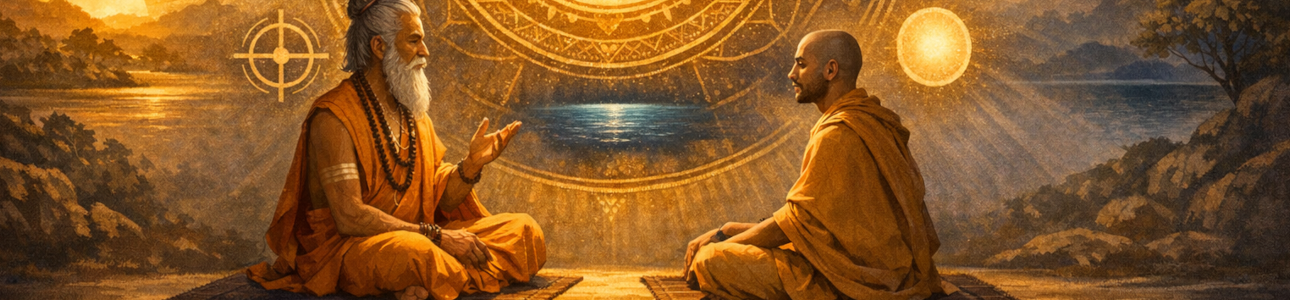
At the end of Dvapara-yuga Narada approached Brahma and asked,
“O glorious one, how can I cross beyond the Kali-yuga as I wander over the earth?”
Brahma replied,
“The question you have asked me is excellent. Please listen to this answer, which is very confidential and contains the secret of all the Vedas, an answer that will enable you to transcend the world of birth and death in the age of Kali.
Simply by chanting aloud the mantra of the holy names of Lord Narayana, the Supreme Personality of Godhead, one shakes away the age of Kali.”
2
Narada again asked,
“What is that holy name?”
Brahma replied,
“The sixteen words of the Hare Krishna mantra:
Hare Krishna, Hare Krishna,
Krishna Krishna, Hare Hare,
Hare Rama, Hare Rama,
Rama Rama, Hare Hare,
are especially meant for counteracting the sins of the age of Kali.
To save oneself from the contamination of this age there is no alternative but to chant the Hare Krishna mantra.
After searching through all the Vedic literatures one cannot find a method of religion for this age so sublime as the chanting of Hare Krishna.
The sixteen words of the maha-mantra destroy the illusions that cover the conditioned soul.
This mantra makes the Supreme Personality of Godhead Himself appear as the brilliant sun appears when a host of clouds are dispersed.”
3
Again Narada asked,
“O glorious one, what are the rules for chanting this mantra?”
Brahma replied,
“There are no rules.
Even if he is impure, a devotee who chants this mantra becomes pure. He attains the kinds of liberation known as salokya, samipya, sarupya and sayujya.
One who chants these sixteen names forty five million times becomes free of the sin of killing a brahmana.
He becomes free from the sin of killing a ksatriya.
He becomes purified of the sin of stealing gold.
He becomes purified of the sin of approaching a vrisali woman[1].
He becomes purified of the sin of insulting pitas, demigods, or human beings.
He is at once purified of the sin of abandoning all religious duties.
At once he becomes liberated.
Thus says the Upanisad
dvāparānte nārado brahmāṇaṃ jagāma kathaṃ bhagavan gāṃ
paryaṭan kaliṃ santareyamiti ।
sa hovāca brahmā sādhu pṛṣṭo'smi sarvaśrutirahasyaṃ gopyaṃ
tacchṛṇu yena kalisaṃsāraṃ tariṣyasi ।
bhagavata ādipuruṣasya nārāyanasya nāmoccāraṇamātreṇa
nirdhṛtakalirbhavatīti ॥1॥
Übersetzung: Am Ende des Dvapara Yuga ging Narada zu Brahma und sprach ihn so an: "Oh Herr, wie soll ich, der ich auf der Erde umherwandere[2], Kali überwinden können?" Darauf antwortete Brahma so: "Gut gefragt. Höre auf das, was alle Shrutis (die Veden) geheim und verborgen halten, wodurch man das Samsara (saṃsāra - weltliche Dasein) von Kali durchqueren kann. Er schüttelt (die bösen Wirkungen von) Kali durch das bloße Aussprechen des Namens des Herrn Narayana (nārāyaṇa) ab, der der ursprüngliche Purusha ist."
hare rāma hare rāma rāma rāma hare hare .
hare kṛṣṇa hare kṛṣṇa kṛṣṇa kṛṣṇa hare hare ..
iti ṣoḍaśakaṃ nāmnāṃ kalikalmaṣanāśanam ।
nātaḥ parataropāyaḥ sarvavedeṣu dṛśyate ॥
Übersetzung: Diese sechzehn Namen (Worte) zerstören die bösen Auswirkungen von Kali. Kein besseres Mittel als dieses ist in allen Veden zu finden.
ṣoḍaśakalāvṛtasya jīvasyāvaraṇavināśanam ।
tataḥ prakāśate paraṃ brahma meghāpāye raviraśmimaṇḍalīveti ||2||
Übersetzung: Diese (sechzehn Namen) zerstören das Avarana (āvaraṇa) (oder die zentripetale Kraft, die das Gefühl der Individualität erzeugt) des Jiva (jīva), der von den sechzehn Kalas (kalās - Strahlen) umgeben ist. Dann leuchtet Parabrahman (allein) wie die Sphäre der Sonne, die voll erstrahlt, nachdem sich die Wolken (die sie abschirmen) aufgelöst haben.
punarnāradaḥ papraccha bhagavan ko'sya vidhiriti ।
taṃ hovāca nāsya vidhiriti ।
sarvadā śuciraśucirvā paṭhan brāhmaṇaḥ salokatāṃ samīpatāṃ sarūpatāṃ sāyujyameti ।
yadāsya ṣoḍaśakasya sārdhatrikoṭīrjapati tadā brahmahatyāṃ tarati ।
tarati vīrahatyām ।
svarṇasteyāt pūto bhavati ।
vṛṣalīgamanāt pūto bhavati ।
pitṛdevamanuṣyāṇāmapakārāt pūto bhavati ।
sarvadharmaparityāgapāpāt sadyaḥ śucitāmāpnuyāt ।
sadyo mucyate sadyo mucyate ityupaniṣat
Translations
| Sanskrit | English | Transliteration |
|---|---|---|
| ॐ | sacred syllable | oṃ |
| वाङ् | speech | vāṅ |
| मे | my | me |
| मनसि | in the mind | manasi |
| प्रतिष्ठिता | established | pratiṣṭhitā |
| मनो | mind | mano |
| मे | my | me |
| वाचि | in speech | vāci |
| प्रतिष्ठितम् | established | pratiṣṭhitam |
| आविराविर्म | clearly reveal | āvirāvirma |
| एधि | become | edhi |
| वेदस्य | of the Veda | vedasya |
| म | to me | ma |
| आणीस्थः | retain | āṇīsthaḥ |
| श्रुतं | heard | śrutaṃ |
| मे | my | me |
| मा | not | mā |
| प्रहासीः | forsake | prahāsīḥ |
| अनेनाधीतेन | by this study (anena:by this | adhītena:study) | anenādhītena |
| अहोरात्रान्सन्दधामि | connect day and night (ahorātrān:day and night | sandadhāmi:connect) | ahorātrānsandadhāmi |
| ऋतं | right | ṛtaṃ |
| वदिष्यामि | I shall speak | vadiṣyāmi |
| सत्यं | truth | satyaṃ |
| वदिष्यामि | I shall speak | vadiṣyāmi |
| तन्मामवतु | may that protect me (tat:that | mām:me | avatu:protect) | tanmāmavatu |
| तद्वक्तारमवतु | may it protect the speaker (tat:that | vaktāram:speaker | avatu:protect) | tadvaktāramavatu |
| अवतु | protect | avatu |
| माम् | me | mām |
| अवतु | protect | avatu |
| वक्तारम् | speaker | vaktāram |
| अवतु | protect | avatu |
| वक्तारम् | speaker | vaktāram |
| ॐ | sacred syllable | oṃ |
| शान्तिः | peace | śāntiḥ |
| शान्तिः | peace | śāntiḥ |
| शान्तिः | peace | śāntiḥ |